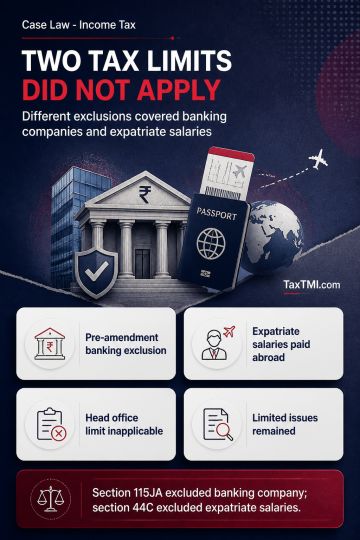
Minimum alternate tax exclusions for pre-amendment banking companies and expatriate Indian branch salaries remain outside head office expenditure limi...
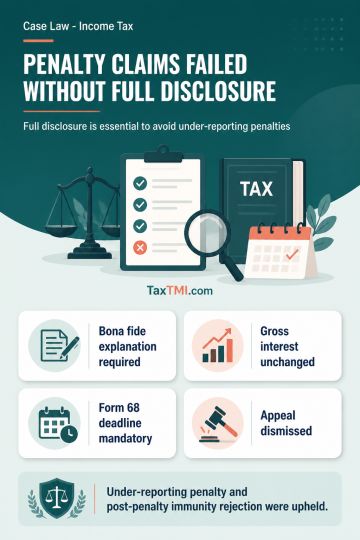
Bona fide disclosure requirements govern under-reporting penalties, and post-penalty immunity applications cannot secure available statutory protectio...
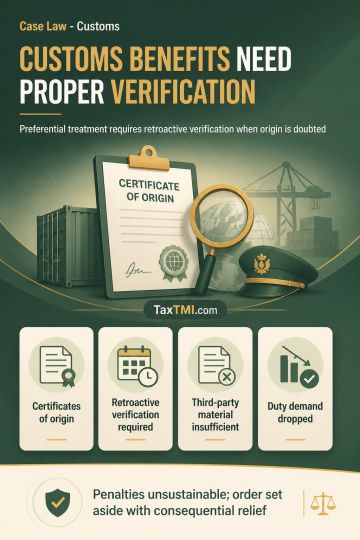
Certificate-of-origin verification procedure governs preferential customs benefits; denial without retroactive verification was set aside with consequ...
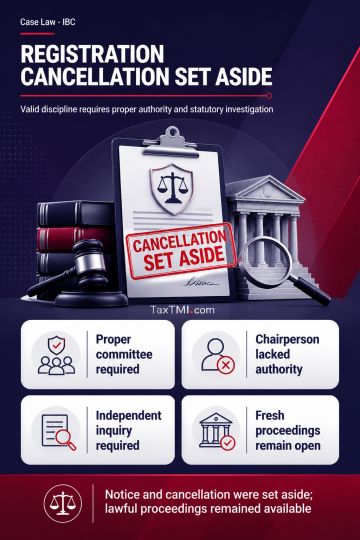
Disciplinary Committee jurisdiction and mandatory investigation requirements invalidated cancellation of an insolvency professional's registration and...
In this CESTAT decision, the Tribunal allowed the appeal against allegations of clandestine manufacture and removal of MS ingots. The Tribunal found multiple procedural violations by the adjudicating authority, including failure to comply with Section 9D(2) of the Central Excise Act when relying on statements recorded under Section 14, and non-compliance with Section 36B regarding electronic evidence admissibility. The Tribunal emphasized that in cases involving serious financial penalties, Revenue must meet a "clear and convincing evidence" standard, which was not satisfied. The investigation lacked corroborative evidence such as unaccounted raw material procurement, production capacity evaluation, or statements from transporters. Consequently, the demands for duty on alleged clandestine clearances, recovery of CENVAT credit, and associated penalties were found unsustainable.
In this CESTAT decision, the Tribunal allowed the appeal against allegations of clandestine manufacture and removal of MS ingots. The Tribunal found multiple procedural violations by the adjudicating authority, including failure to comply with Section 9D(2) of the Central Excise Act when relying on statements recorded under Section 14, and non-compliance with Section 36B regarding electronic evidence admissibility. The Tribunal emphasized that in cases involving serious financial penalties, Revenue must meet a "clear and convincing evidence" standard, which was not satisfied. The investigation lacked corroborative evidence such as unaccounted raw material procurement, production capacity evaluation, or statements from transporters. Consequently, the demands for duty on alleged clandestine clearances, recovery of CENVAT credit, and associated penalties were found unsustainable.
Note: It is a system-generated summary and is for quick reference only.
 TaxTMI
 of 4801





 Join Channel


 TaxTMI