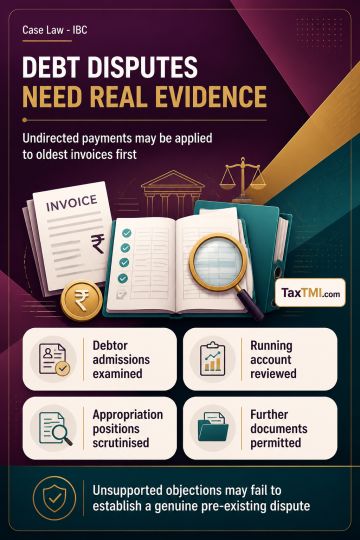
Pre-existing operational debt disputes require genuine evidence, while undirected running-account payments may be appropriated on a first-in-first-out...
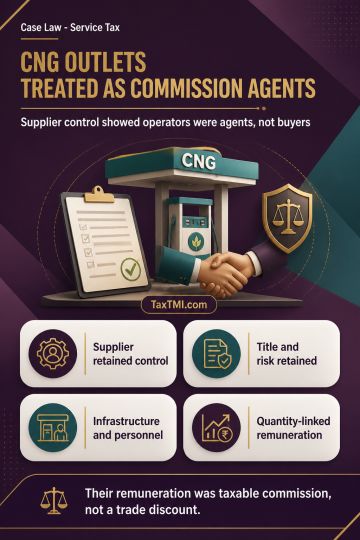
Agency in CNG distribution makes outlet operators commission agents, rendering taxable Business Auxiliary Service rather than purchasing goods for res...
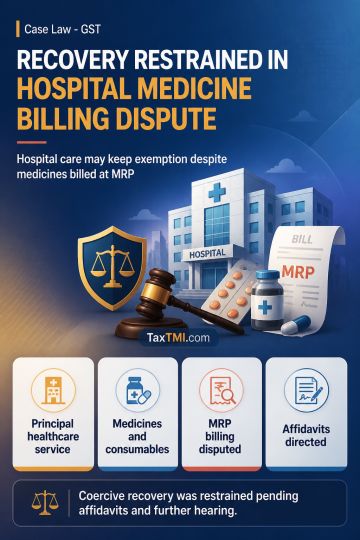
Composite inpatient healthcare supply may retain exemption despite MRP medicine billing, while separate taxable sale characterisation remains disputed...
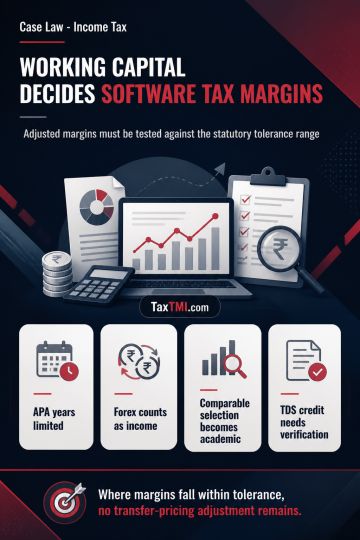
Working-capital adjustment determines whether software-services transfer-pricing margins fall within the statutory tolerance range, eliminating any ad...
Page of 4798
Press 'Enter' after typing page number.
921 to 940 of 95957 Results
❮
❯
❯❯
0 / 200
Expand Note
Add to Folder
No Folders have been created
+
Are you sure you want to delete "My most important" ?
In this CESTAT decision, the Tribunal allowed the appeal against allegations of clandestine manufacture and removal of MS ingots. The Tribunal found multiple procedural violations by the adjudicating authority, including failure to comply with Section 9D(2) of the Central Excise Act when relying on statements recorded under Section 14, and non-compliance with Section 36B regarding electronic evidence admissibility. The Tribunal emphasized that in cases involving serious financial penalties, Revenue must meet a "clear and convincing evidence" standard, which was not satisfied. The investigation lacked corroborative evidence such as unaccounted raw material procurement, production capacity evaluation, or statements from transporters. Consequently, the demands for duty on alleged clandestine clearances, recovery of CENVAT credit, and associated penalties were found unsustainable.
In this CESTAT decision, the Tribunal allowed the appeal against allegations of clandestine manufacture and removal of MS ingots. The Tribunal found multiple procedural violations by the adjudicating authority, including failure to comply with Section 9D(2) of the Central Excise Act when relying on statements recorded under Section 14, and non-compliance with Section 36B regarding electronic evidence admissibility. The Tribunal emphasized that in cases involving serious financial penalties, Revenue must meet a "clear and convincing evidence" standard, which was not satisfied. The investigation lacked corroborative evidence such as unaccounted raw material procurement, production capacity evaluation, or statements from transporters. Consequently, the demands for duty on alleged clandestine clearances, recovery of CENVAT credit, and associated penalties were found unsustainable.
Note: It is a system-generated summary and is for quick reference only.
 TaxTMI
 of 4798








 Join Channel


 TaxTMI