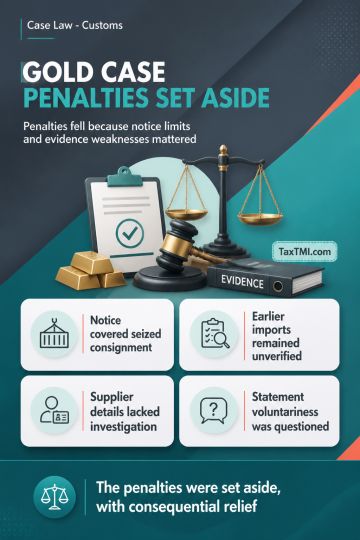
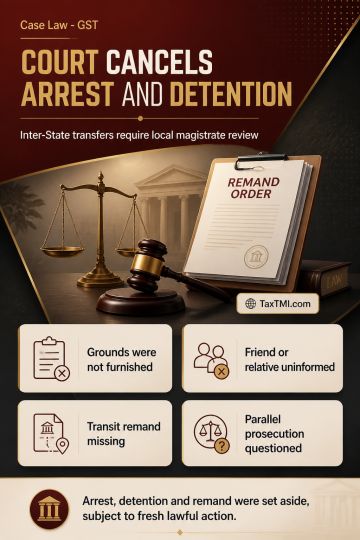
Arrest safeguards and transit remand requirements invalidated detention following inter-State transfer without communicated grounds or magistrate auth...
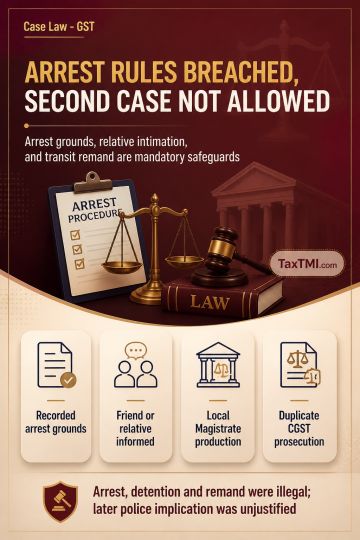
Arrest safeguards require disclosed grounds, relative intimation and transit remand, while duplicate prosecution under the CGST framework is unsustain...
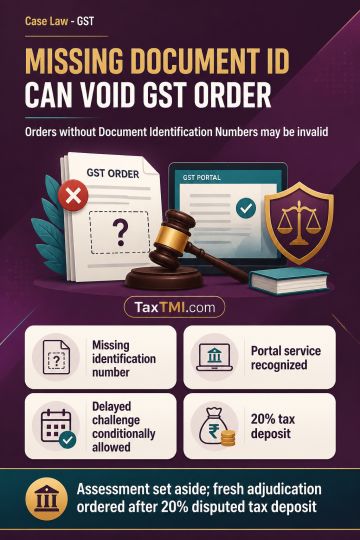
Document Identification Number defects can invalidate GST assessments, with delayed challenges entertained conditionally where patent irregularities e...
Windmill commissioning evidence supported higher depreciation where grid connection and electricity generation proved operational use before the relev...
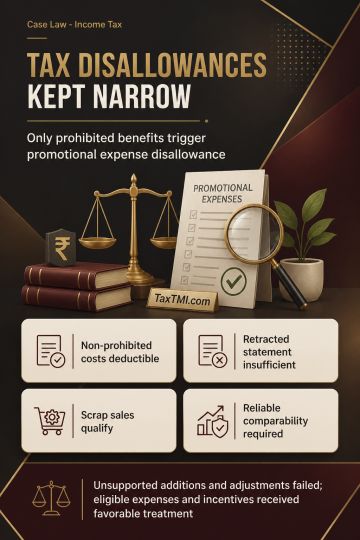
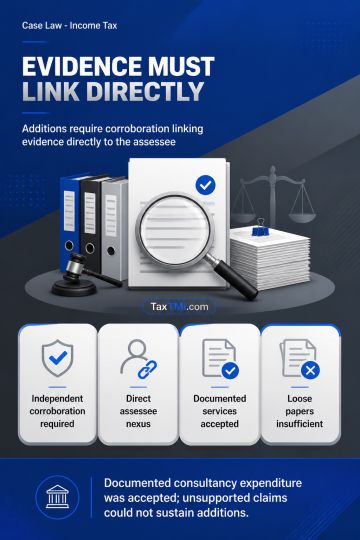
Pharmaceutical promotion and transfer-pricing comparability principles limited disallowances, while uncorroborated search allegations and unsupported ...
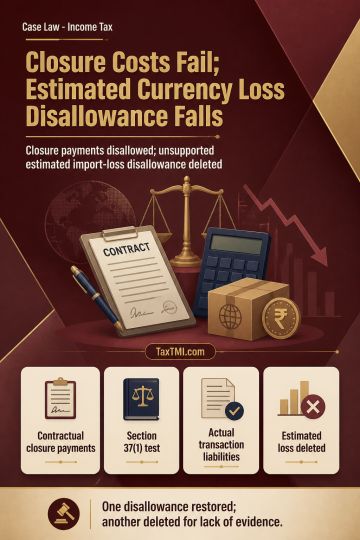
Business expenditure substantiation supports scrap credits, statutory payments and expense claims, while depreciation requires proof of actual busines...
The HC ruled that Section 25A of the KVAT Act, despite its non-obstante clause, merely provides an additional ground for reassessment and does not override the limitation period under Section 25(1). When the Assessing Officer receives a CAG objection, they must determine its lawfulness after giving the dealer an opportunity to be heard. If satisfied, reassessment must still follow the statutory procedure under Section 25(1), including adherence to limitation periods. The Revenue cannot circumvent time-barred assessments by initiating reassessment based on subsequent CAG reports. The court dismissed the State's O.T. Revisions and Writ Appeal, affirming that procedural due process in taxation cannot be inferred but must be explicitly provided in statute.
The HC ruled that Section 25A of the KVAT Act, despite its non-obstante clause, merely provides an additional ground for reassessment and does not override the limitation period under Section 25(1). When the Assessing Officer receives a CAG objection, they must determine its lawfulness after giving the dealer an opportunity to be heard. If satisfied, reassessment must still follow the statutory procedure under Section 25(1), including adherence to limitation periods. The Revenue cannot circumvent time-barred assessments by initiating reassessment based on subsequent CAG reports. The court dismissed the State's O.T. Revisions and Writ Appeal, affirming that procedural due process in taxation cannot be inferred but must be explicitly provided in statute.
Note: It is a system-generated summary and is for quick reference only.
 TaxTMI
 of 4792










 Join Channel


 TaxTMI