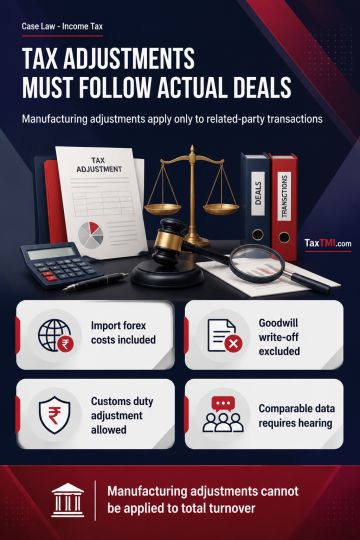
International transaction benchmarking restricts transfer pricing adjustments to associated-enterprise dealings, while functional comparability govern...
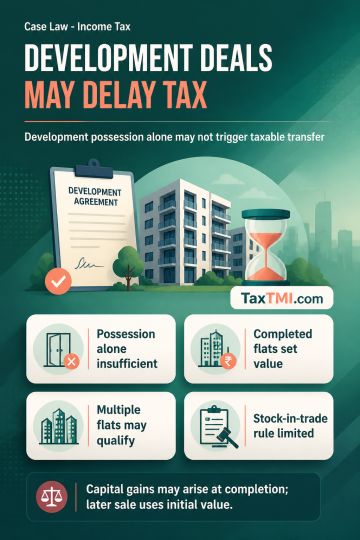
Joint development agreements defer taxable transfer where possession lacks part performance, while completed flats determine consideration and exempti...
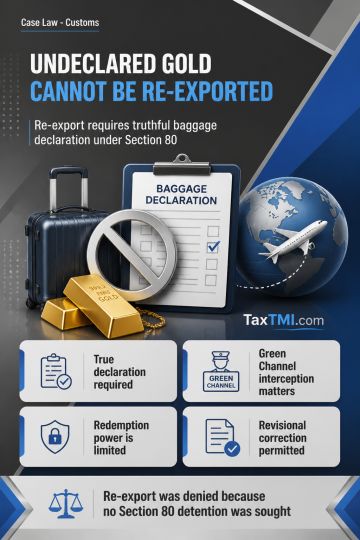
Passenger baggage re-export requires true declaration and cannot be granted indirectly through discretionary redemption of undeclared prohibited goods...
The HC condoned a 292-day delay in filing an appeal in a dishonored cheque case, despite acknowledging that government organizations should strictly adhere to limitation periods without automatic relaxation. The Court found the appellant provided a plausible explanation for the delay, and noted the original dismissal was for non-prosecution rather than on merits. Applying a pragmatic approach to advance justice, the HC determined sufficient cause existed to condone the delay, reasoning that public interest would be severely affected if government appeals were lost due to procedural defaults. The appellant was granted leave to file the memorandum of appeal within the statutory period.
The HC condoned a 292-day delay in filing an appeal in a dishonored cheque case, despite acknowledging that government organizations should strictly adhere to limitation periods without automatic relaxation. The Court found the appellant provided a plausible explanation for the delay, and noted the original dismissal was for non-prosecution rather than on merits. Applying a pragmatic approach to advance justice, the HC determined sufficient cause existed to condone the delay, reasoning that public interest would be severely affected if government appeals were lost due to procedural defaults. The appellant was granted leave to file the memorandum of appeal within the statutory period.
Note: It is a system-generated summary and is for quick reference only.
 TaxTMI
 of 4782










 Join Channel


 TaxTMI
