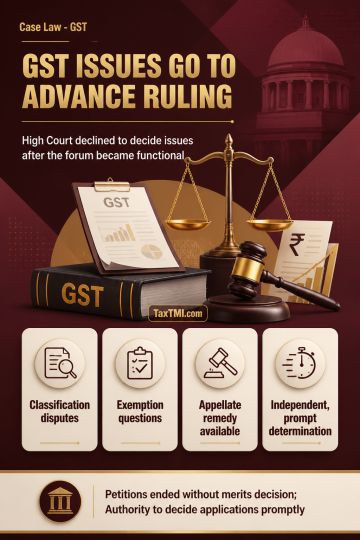
Advance-ruling mechanism governs pending GST classification, exemption and taxability disputes, limiting writ review once the specialised forum functi...
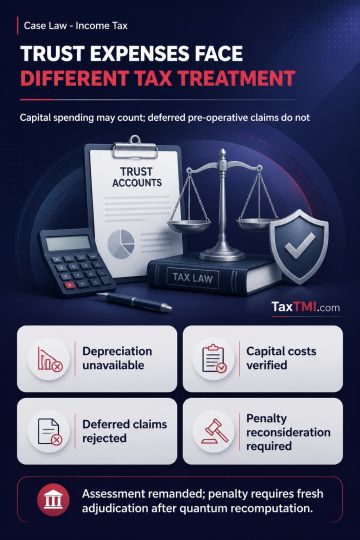
Charitable trust income application permits verified capital expenditure but rejects deferred pre-operative claims and requires reconsideration of con...
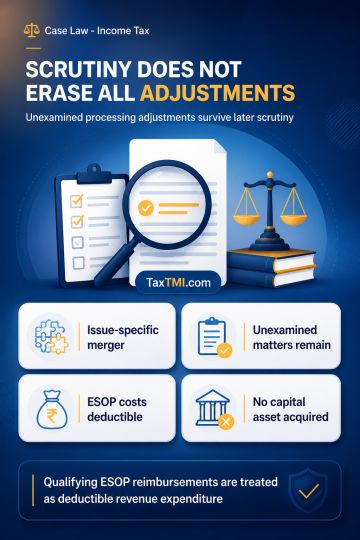
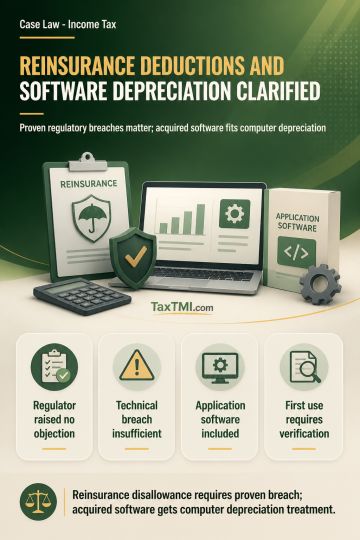
Reinsurance premium deductions require established regulatory breaches, while independently acquired software qualifies within the computer depreciati...
The HC condoned a 292-day delay in filing an appeal in a dishonored cheque case, despite acknowledging that government organizations should strictly adhere to limitation periods without automatic relaxation. The Court found the appellant provided a plausible explanation for the delay, and noted the original dismissal was for non-prosecution rather than on merits. Applying a pragmatic approach to advance justice, the HC determined sufficient cause existed to condone the delay, reasoning that public interest would be severely affected if government appeals were lost due to procedural defaults. The appellant was granted leave to file the memorandum of appeal within the statutory period.
The HC condoned a 292-day delay in filing an appeal in a dishonored cheque case, despite acknowledging that government organizations should strictly adhere to limitation periods without automatic relaxation. The Court found the appellant provided a plausible explanation for the delay, and noted the original dismissal was for non-prosecution rather than on merits. Applying a pragmatic approach to advance justice, the HC determined sufficient cause existed to condone the delay, reasoning that public interest would be severely affected if government appeals were lost due to procedural defaults. The appellant was granted leave to file the memorandum of appeal within the statutory period.
Note: It is a system-generated summary and is for quick reference only.
 TaxTMI
 of 4790







 Join Channel


 TaxTMI
