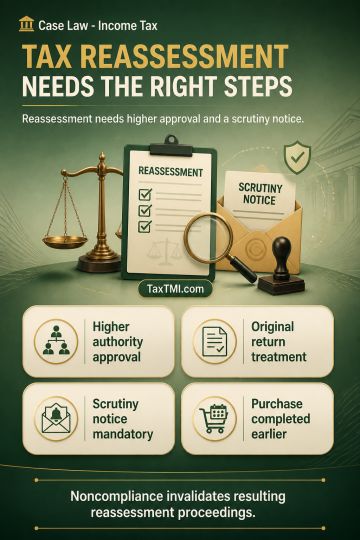
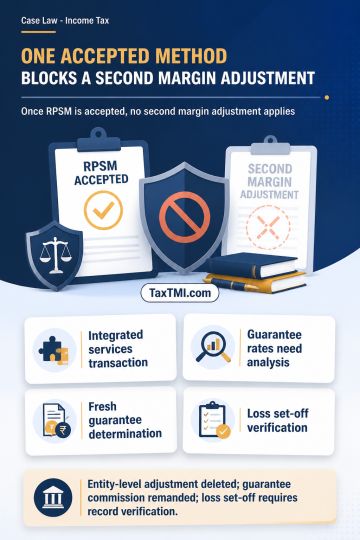
Opportunity to furnish unsecured-loan confirmations is required before reassessment initiation; proceedings require fresh consideration after taxpayer...
Under-reporting on a first reassessment return attracts penalty, while enhanced misreporting penalty requires proof of a statutory misreporting catego...
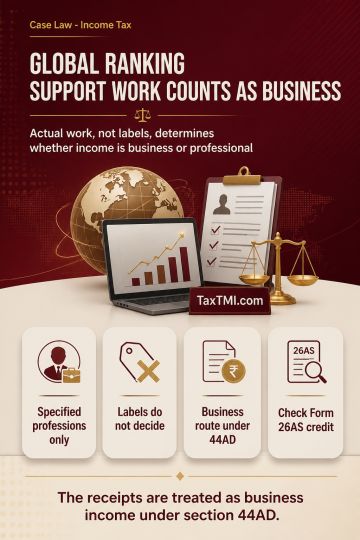
Form 26AS evidence requires successor-entity accounting verification after business transfer, while invoice-supported related-party advertising expend...
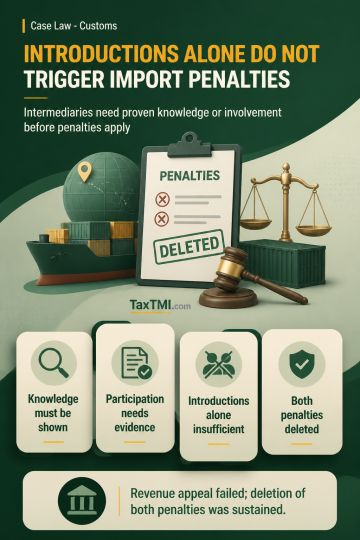
CESTAT set aside penalties imposed under s.114(iii) and s.114AA of the Customs Act against the F-card holder of a Custom House Agent. The Tribunal found that allegations of improper export through overvaluation were based solely on the appellant's retracted statement without corroborative evidence. The appellant, as authorized CHA, had prepared shipping bills based on documents provided by exporters, maintained proper KYC documentation, and had no definitive knowledge of goods valuation. The Tribunal determined that the department failed to establish the appellant's culpability, as his confession was retracted and statements from other parties failed to meet the evidentiary standards under s.138B of the Customs Act. Appeal allowed.
CESTAT set aside penalties imposed under s.114(iii) and s.114AA of the Customs Act against the F-card holder of a Custom House Agent. The Tribunal found that allegations of improper export through overvaluation were based solely on the appellant's retracted statement without corroborative evidence. The appellant, as authorized CHA, had prepared shipping bills based on documents provided by exporters, maintained proper KYC documentation, and had no definitive knowledge of goods valuation. The Tribunal determined that the department failed to establish the appellant's culpability, as his confession was retracted and statements from other parties failed to meet the evidentiary standards under s.138B of the Customs Act. Appeal allowed.
Note: It is a system-generated summary and is for quick reference only.
 TaxTMI
  TaxTMI
 of 4920