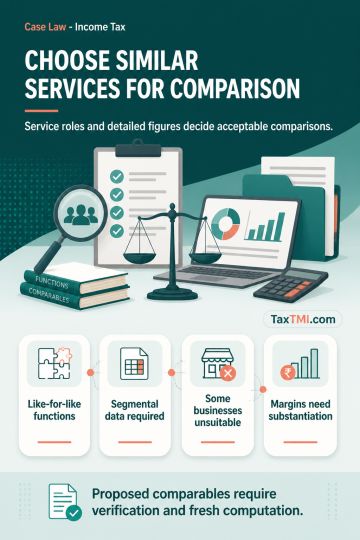
Functional comparability governs selection of support-service and IT-enabled service comparables, with verification required for unresolved data and m...
Bank account freezing requires statutory authority; anti-money-laundering compliance and KYC monitoring do not permit unilateral indefinite restrictio...
The Tri directed the defreezing of the Corporate Debtor's demat account, which had been frozen due to non-compliance with SEBI LODR regulations. The Tribunal determined it had jurisdiction over the matter under Section 60(5) of IBC, finding a clear nexus between the dispute and the insolvency process. The Tribunal emphasized that continued freezing would impede the Liquidator's statutory duty to expeditiously liquidate assets and maximize recovery for stakeholders under Section 53(1) of IBC. The Tribunal held that IBC provisions have overriding effect over conflicting SEBI regulations when they obstruct the time-bound liquidation process, particularly when compliance by defaulting entities under liquidation is impossible.
The Tri directed the defreezing of the Corporate Debtor's demat account, which had been frozen due to non-compliance with SEBI LODR regulations. The Tribunal determined it had jurisdiction over the matter under Section 60(5) of IBC, finding a clear nexus between the dispute and the insolvency process. The Tribunal emphasized that continued freezing would impede the Liquidator's statutory duty to expeditiously liquidate assets and maximize recovery for stakeholders under Section 53(1) of IBC. The Tribunal held that IBC provisions have overriding effect over conflicting SEBI regulations when they obstruct the time-bound liquidation process, particularly when compliance by defaulting entities under liquidation is impossible.
Note: It is a system-generated summary and is for quick reference only.
 TaxTMI
  TaxTMI
 of 4828










 Join Channel