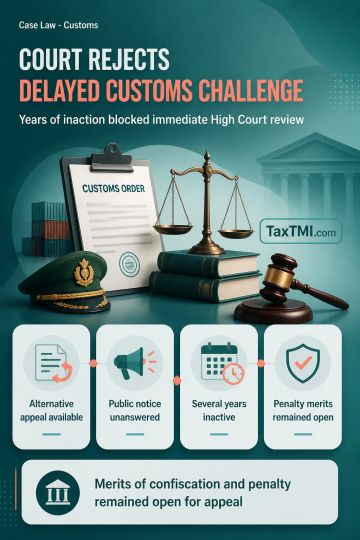
Alternative statutory remedy and unexplained delay barred writ review of customs confiscation adjudication, leaving merits for appellate consideration...
Authorised courier due diligence protects against penalties where declared exports conceal prohibited goods despite proper documentation and customs p...
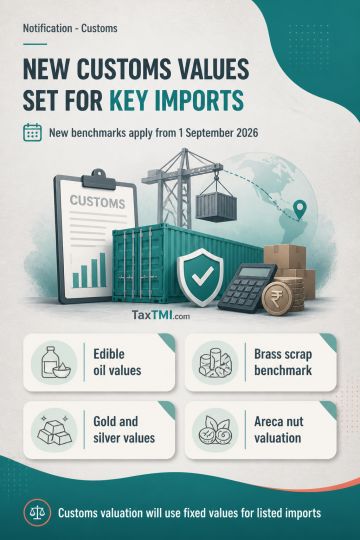
Customs-controlled container movement now extends to DP World facilities, subject to segregation, inspections, reconciliation, and EXIM cargo priority...
In a case involving dishonored cheques, the SC held that proceedings against the appellant should be quashed where the cause of action under Section 138 of the NI Act arose after a moratorium was issued under Section 14 of the IBC. The Court determined that when the demand notice was issued, the appellant lacked capacity to fulfill payment obligations as he was suspended as director after the IRP's appointment. The appellant could not access corporate bank accounts as they operated under IRP instructions pursuant to Section 17 of the IBC. The SC set aside both the HC's order and the summoning order, ruling that Section 482 of the CrPC should have been exercised to quash proceedings against the appellant.
In a case involving dishonored cheques, the SC held that proceedings against the appellant should be quashed where the cause of action under Section 138 of the NI Act arose after a moratorium was issued under Section 14 of the IBC. The Court determined that when the demand notice was issued, the appellant lacked capacity to fulfill payment obligations as he was suspended as director after the IRP's appointment. The appellant could not access corporate bank accounts as they operated under IRP instructions pursuant to Section 17 of the IBC. The SC set aside both the HC's order and the summoning order, ruling that Section 482 of the CrPC should have been exercised to quash proceedings against the appellant.
Note: It is a system-generated summary and is for quick reference only.
 TaxTMI
  TaxTMI
 of 4828











 Join Channel


