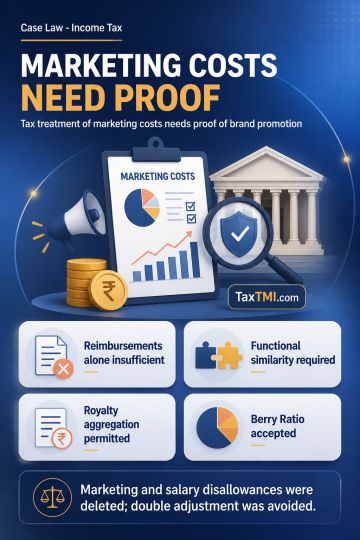
Transfer pricing requires evidence for AMP transactions, functionally reliable comparables, and appropriate aggregation or Berry Ratio benchmarking me...
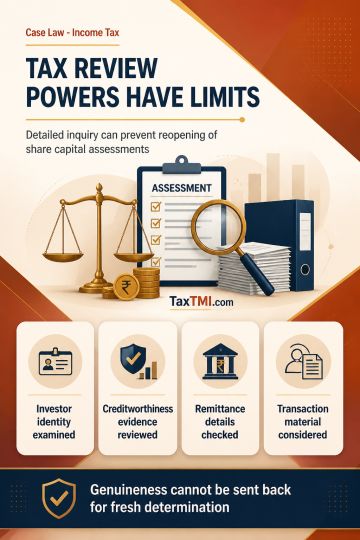
Revisionary jurisdiction cannot reopen share capital assessments where adequate inquiry supports a permissible view and no independent error is establ...
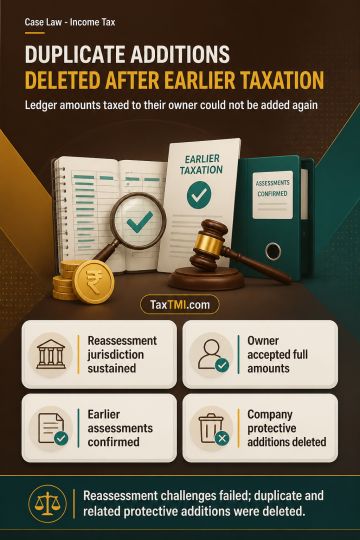
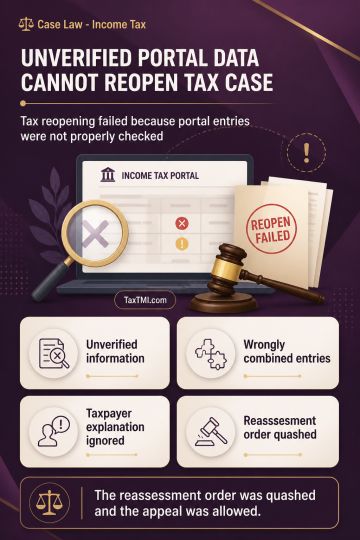
Reassessment jurisdiction fails where unverified portal information is aggregated without examining the taxpayer's explanation or relevance of entries...
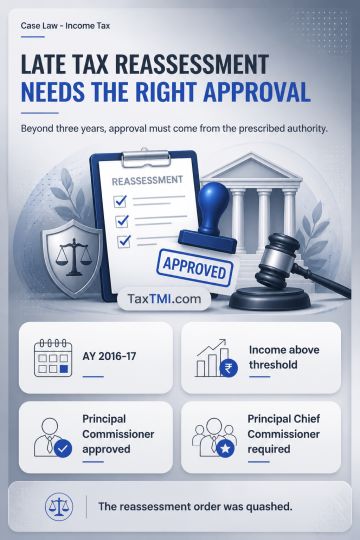
Statutory sanction for delayed reassessment requires approval from the prescribed authority; approval by an inferior authority invalidates jurisdictio...
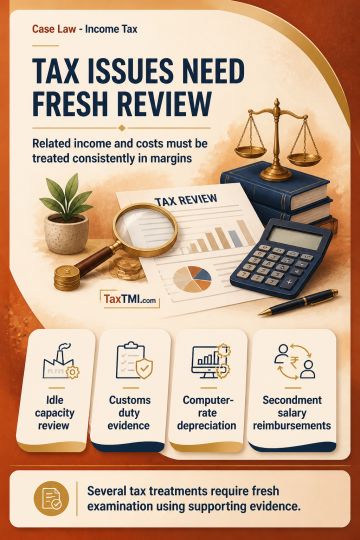
Transfer pricing margin adjustments require matching treatment of non-operating income and related costs, with comparability issues reconsidered on ev...
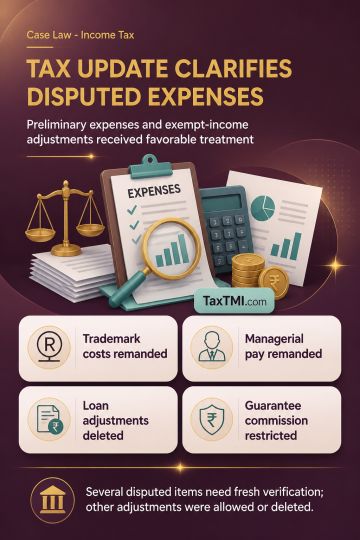
Preliminary-expense amortisation and MAT exempt-income adjustments prevailed, while trademark costs and managerial remuneration require fresh verifica...
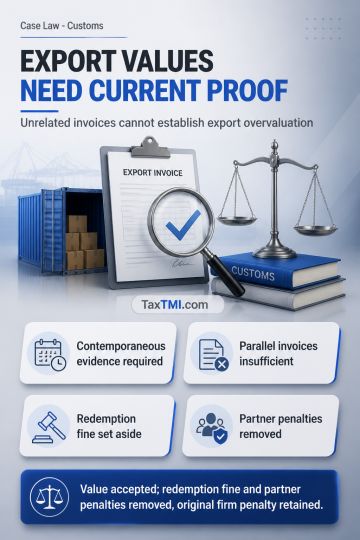
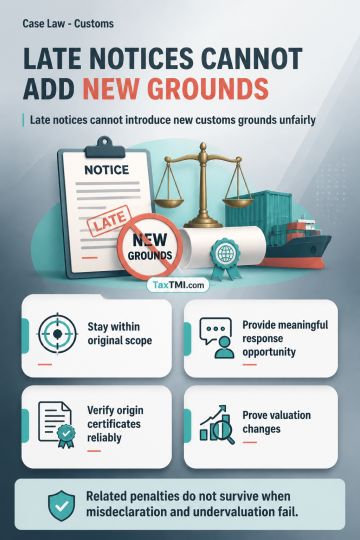
Export valuation requires contemporaneous evidence; unrelated invoices cannot prove overvaluation, and dual penalties on firm and partner are impermis...
The HC set aside orders cancelling GST registrations under CGST/SGST Acts 2017, finding procedural violations by the Proper Officer. The court determined that cancellation under Section 29(2) requires proper notice and meaningful opportunity for hearing per Rule 22, not mere formality. Despite petitioners' failure to respond to show cause notices, the impugned orders erroneously referenced non-existent replies, rendering the proceedings defective. While revocation applications were time-barred (exceeding 270 days under Rule 23), the court intervened due to jurisdictional errors. The registrations were restored with conditions, including extended deadlines for filing annual returns except for 2024-2025, which remains governed by Section 44 requirements.
The HC set aside orders cancelling GST registrations under CGST/SGST Acts 2017, finding procedural violations by the Proper Officer. The court determined that cancellation under Section 29(2) requires proper notice and meaningful opportunity for hearing per Rule 22, not mere formality. Despite petitioners' failure to respond to show cause notices, the impugned orders erroneously referenced non-existent replies, rendering the proceedings defective. While revocation applications were time-barred (exceeding 270 days under Rule 23), the court intervened due to jurisdictional errors. The registrations were restored with conditions, including extended deadlines for filing annual returns except for 2024-2025, which remains governed by Section 44 requirements.
Note: It is a system-generated summary and is for quick reference only.
 TaxTMI
 of 4801











 Join Channel


 TaxTMI
