Prolonged sterilisation of development rights supports capital-gains treatment, while business-income disallowances cannot govern capital-gains comput...
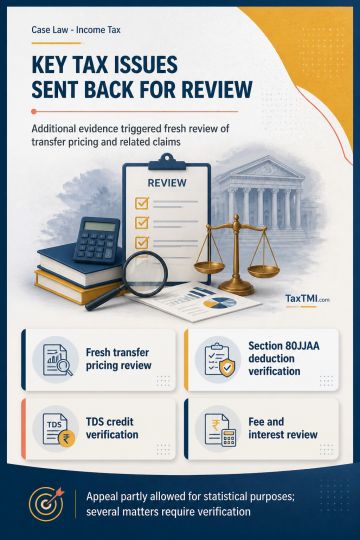
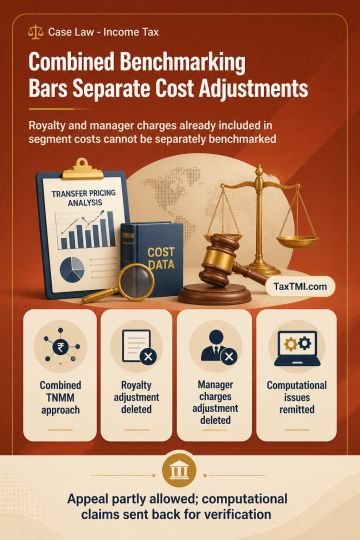
Additional evidence in transfer pricing dispute leads to fresh examination, while tax deductions, TDS credit, fee and refund interest require verifica...
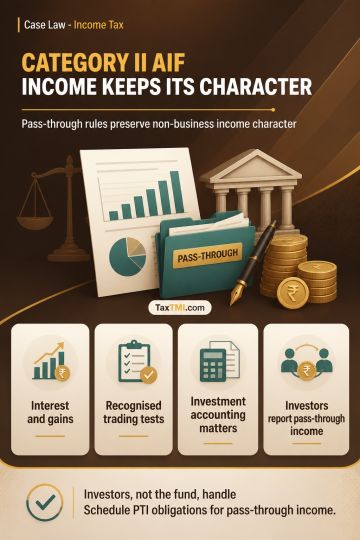
Category II AIF pass-through taxation preserves non-business income character; investment receipts cannot be reclassified without applying recognised ...
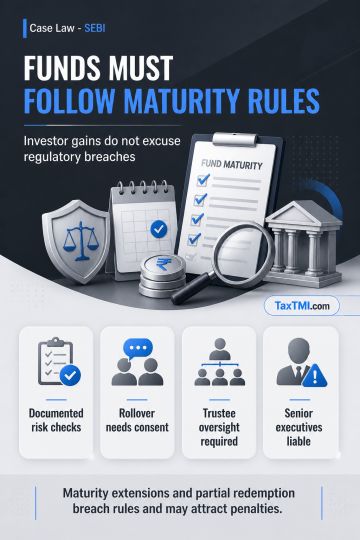
Mutual fund maturity rules require proper rollover, redemption, disclosure, and due diligence; investor gains cannot excuse regulatory breaches or pen...
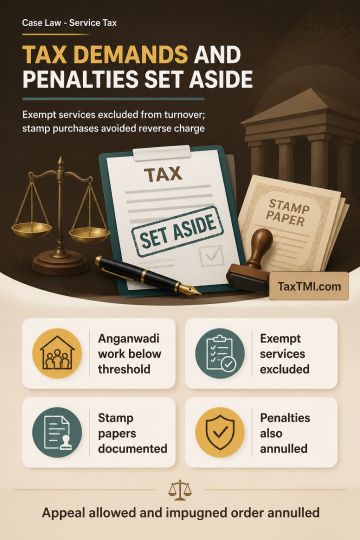
Threshold exemption excludes exempt services, while stamp-paper purchases avoid reverse charge; consequential service tax penalties were also set asid...
The ITAT quashed approvals granted under section 153D, finding them procedurally defective. The approving JCIT had mechanically approved draft assessment orders without demonstrating application of mind, merely stating "Following draft assessment orders are being approved" without reasons or evidence of examining the material. The Tribunal noted that protective and substantive assessments against the company and its Director were approved in separate letters rather than together, with the protective addition approval preceding the substantive one, further indicating mechanical processing. The JCIT's subsequent letter revealed a misconception that approval was "only a formal culmination" rather than a substantive requirement. The ITAT emphasized that approval letters must be speaking orders demonstrating proper application of mind. Approvals were vitiated and quashed in favor of the assessee.
The ITAT quashed approvals granted under section 153D, finding them procedurally defective. The approving JCIT had mechanically approved draft assessment orders without demonstrating application of mind, merely stating "Following draft assessment orders are being approved" without reasons or evidence of examining the material. The Tribunal noted that protective and substantive assessments against the company and its Director were approved in separate letters rather than together, with the protective addition approval preceding the substantive one, further indicating mechanical processing. The JCIT's subsequent letter revealed a misconception that approval was "only a formal culmination" rather than a substantive requirement. The ITAT emphasized that approval letters must be speaking orders demonstrating proper application of mind. Approvals were vitiated and quashed in favor of the assessee.
Note: It is a system-generated summary and is for quick reference only.
 TaxTMI
 of 4805








 Join Channel


 TaxTMI
