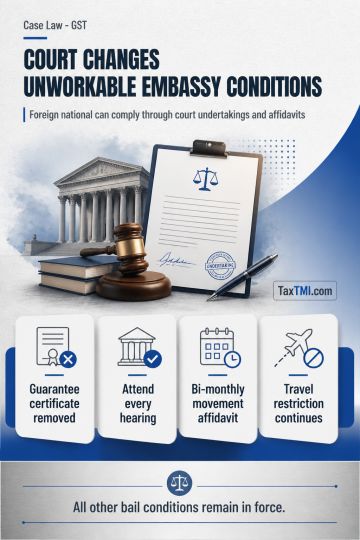
Arrest safeguards and transit remand requirements invalidated detention following inter-State transfer without communicated grounds or magistrate auth...
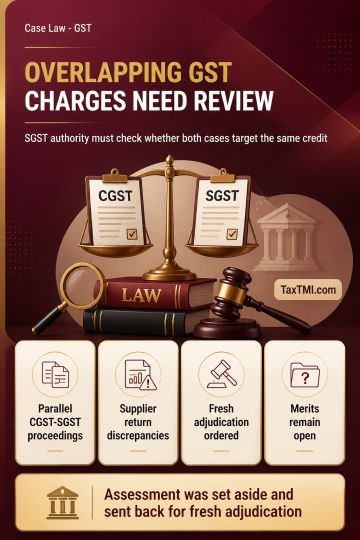
Arrest safeguards require disclosed grounds, relative intimation and transit remand, while duplicate prosecution under the CGST framework is unsustain...
Document Identification Number defects can invalidate GST assessments, with delayed challenges entertained conditionally where patent irregularities e...
Windmill commissioning evidence supported higher depreciation where grid connection and electricity generation proved operational use before the relev...
The ITAT quashed approvals granted under section 153D, finding them procedurally defective. The approving JCIT had mechanically approved draft assessment orders without demonstrating application of mind, merely stating "Following draft assessment orders are being approved" without reasons or evidence of examining the material. The Tribunal noted that protective and substantive assessments against the company and its Director were approved in separate letters rather than together, with the protective addition approval preceding the substantive one, further indicating mechanical processing. The JCIT's subsequent letter revealed a misconception that approval was "only a formal culmination" rather than a substantive requirement. The ITAT emphasized that approval letters must be speaking orders demonstrating proper application of mind. Approvals were vitiated and quashed in favor of the assessee.
The ITAT quashed approvals granted under section 153D, finding them procedurally defective. The approving JCIT had mechanically approved draft assessment orders without demonstrating application of mind, merely stating "Following draft assessment orders are being approved" without reasons or evidence of examining the material. The Tribunal noted that protective and substantive assessments against the company and its Director were approved in separate letters rather than together, with the protective addition approval preceding the substantive one, further indicating mechanical processing. The JCIT's subsequent letter revealed a misconception that approval was "only a formal culmination" rather than a substantive requirement. The ITAT emphasized that approval letters must be speaking orders demonstrating proper application of mind. Approvals were vitiated and quashed in favor of the assessee.
Note: It is a system-generated summary and is for quick reference only.
 TaxTMI
 of 4800
















 Join Channel


 TaxTMI
