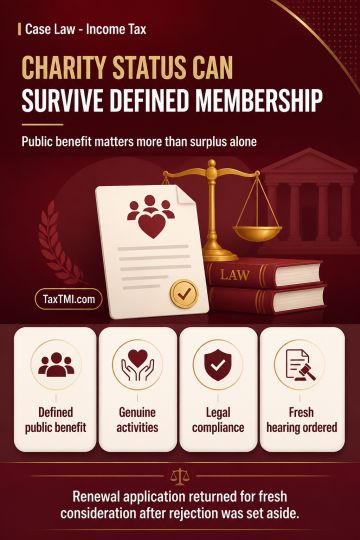
Defined public benefit can retain charitable character; registration renewal requires examining genuine activities and legal compliance, not surplus a...
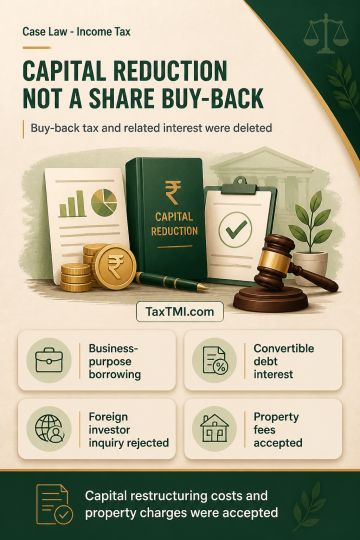
Capital reduction is distinct from share buy-back, preventing buy-back tax; restructuring interest and related business deductions also survive scruti...
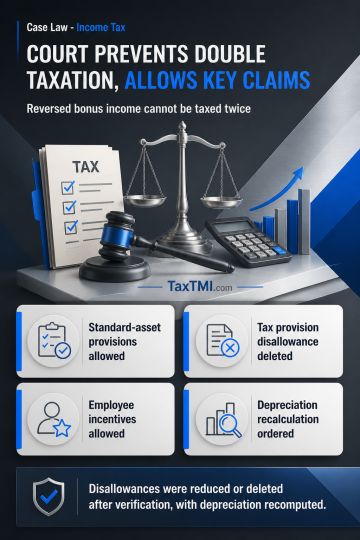
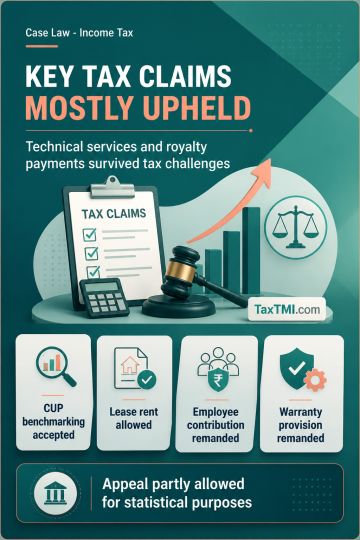
Transfer pricing and tax deductions upheld on established principles, while employee contributions and warranty provisions returned for fresh examinat...
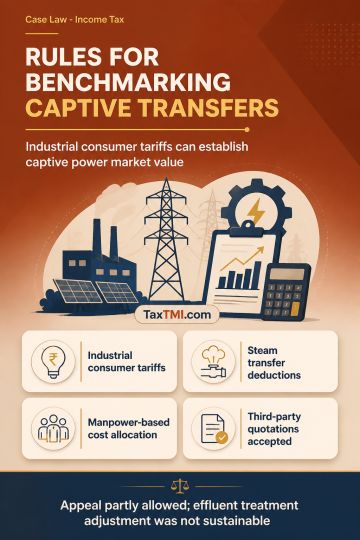
Captive transfer pricing relies on industrial consumer tariffs, while genuine quotations can benchmark effluent treatment transfers under the Other Me...
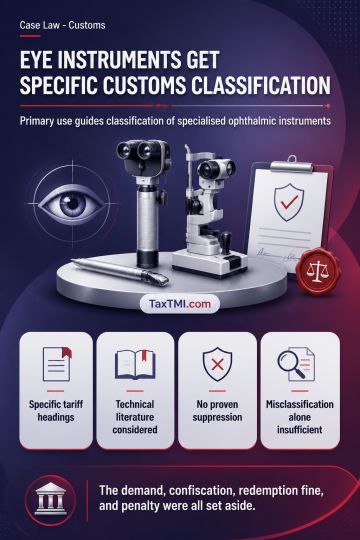
Specific tariff classification for ophthalmic instruments and extended limitation principles determine the treatment of duty demands, confiscation, an...
The NCLAT upheld that the transaction involving Aryan Spaces constituted a preferential transaction under Section 49 of the Insolvency and Bankruptcy Code, 2016, subject to further investigation by the Resolution Professional. The Tribunal had previously considered the reply filed by the Appellant despite inadvertently recording that no reply was filed. The Tribunal clarified this error in its subsequent order dated 17.08.2023, noting that the Appellant's arguments regarding the MOU dated 15.11.2018 had been duly considered. The appeal was dismissed on grounds of limitation as the Appellant failed to file within the statutory period, and the application for condonation of delay was not pursued by the Appellant who was absent during the hearing.
The NCLAT upheld that the transaction involving Aryan Spaces constituted a preferential transaction under Section 49 of the Insolvency and Bankruptcy Code, 2016, subject to further investigation by the Resolution Professional. The Tribunal had previously considered the reply filed by the Appellant despite inadvertently recording that no reply was filed. The Tribunal clarified this error in its subsequent order dated 17.08.2023, noting that the Appellant's arguments regarding the MOU dated 15.11.2018 had been duly considered. The appeal was dismissed on grounds of limitation as the Appellant failed to file within the statutory period, and the application for condonation of delay was not pursued by the Appellant who was absent during the hearing.
Note: It is a system-generated summary and is for quick reference only.
 TaxTMI
 of 4805



 Join Channel


 TaxTMI