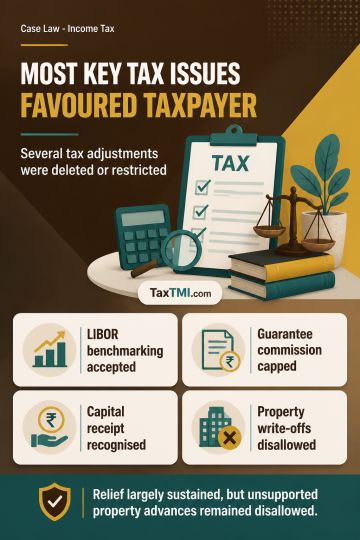
Transfer-pricing benchmarking and capital-receipt principles sustained taxpayer relief, while unsupported property-advance write-offs remained disallo...
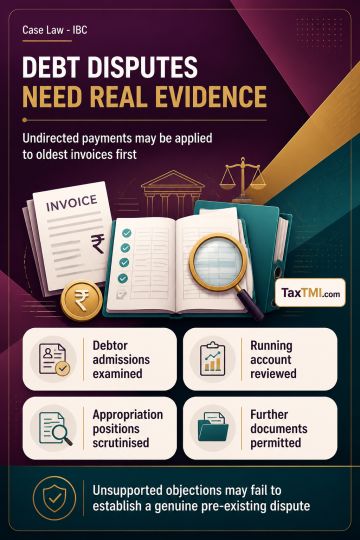
Pre-existing operational debt disputes require genuine evidence, while undirected running-account payments may be appropriated on a first-in-first-out...
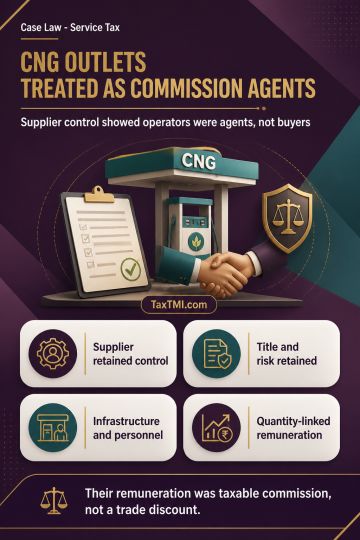
Agency in CNG distribution makes outlet operators commission agents, rendering taxable Business Auxiliary Service rather than purchasing goods for res...
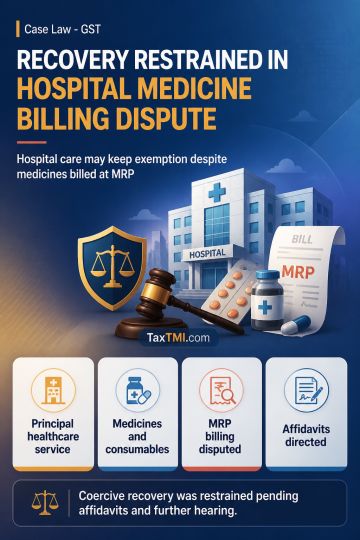
Composite inpatient healthcare supply may retain exemption despite MRP medicine billing, while separate taxable sale characterisation remains disputed...
Page of 4803
Press 'Enter' after typing page number.
1001 to 1020 of 96046 Results
❮
❯
❯❯
0 / 200
Expand Note
Add to Folder
No Folders have been created
+
Are you sure you want to delete "My most important" ?
The NCLAT dismissed an appeal challenging a Scheme of Arrangement between ICICI Bank Ltd and ICICI Securities Ltd. The Tribunal held that appellants lacked standing to object as they did not meet the shareholding threshold under s.230(4) of Companies Act, 2013. The NCLAT found no conflict between s.230 and Regulation 37 of SEBI Delisting Regulations, ruling that no separate meeting of public shareholders was required as the scheme uniformly affected all equity shareholders. The scheme had received approval from 93.82% of equity shareholders and 71.89% of public shareholders. The appellants' minimal 0.08% shareholding was insufficient to maintain the appeal as "aggrieved persons," with the Tribunal noting that their objections were impeding shareholder democracy.
The NCLAT dismissed an appeal challenging a Scheme of Arrangement between ICICI Bank Ltd and ICICI Securities Ltd. The Tribunal held that appellants lacked standing to object as they did not meet the shareholding threshold under s.230(4) of Companies Act, 2013. The NCLAT found no conflict between s.230 and Regulation 37 of SEBI Delisting Regulations, ruling that no separate meeting of public shareholders was required as the scheme uniformly affected all equity shareholders. The scheme had received approval from 93.82% of equity shareholders and 71.89% of public shareholders. The appellants' minimal 0.08% shareholding was insufficient to maintain the appeal as "aggrieved persons," with the Tribunal noting that their objections were impeding shareholder democracy.
Note: It is a system-generated summary and is for quick reference only.
 TaxTMI
 of 4803







 Join Channel


 TaxTMI