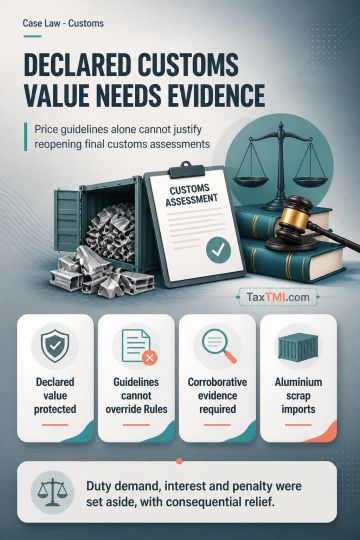
Transaction value cannot be rejected solely on non-statutory valuation guidelines without corroborative evidence supporting reassessment of final cust...
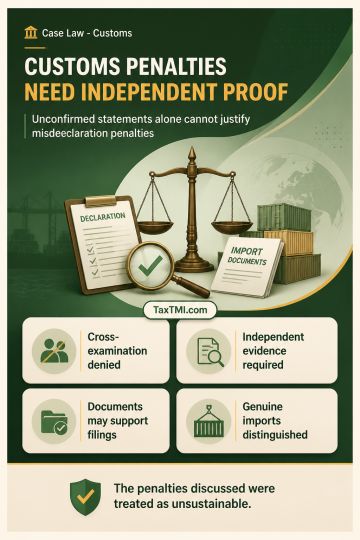
Cross-examination rights and corroborated evidence limit customs penalties for misdeclaration in genuine import transactions involving documented clea...
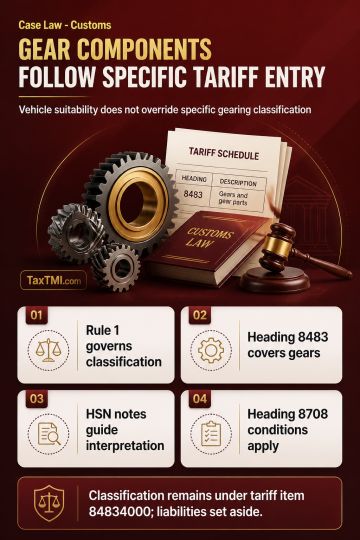
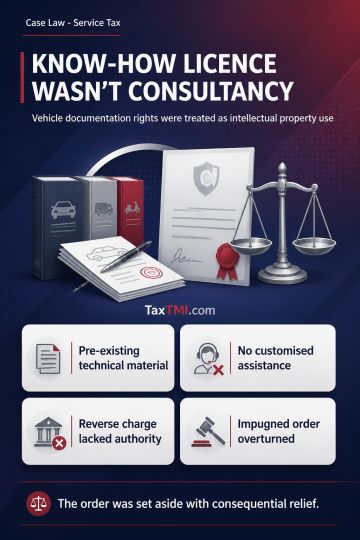
Tariff classification of vehicle gear components follows the specific gearing entry, displacing motor-vehicle parts classification and related liabili...
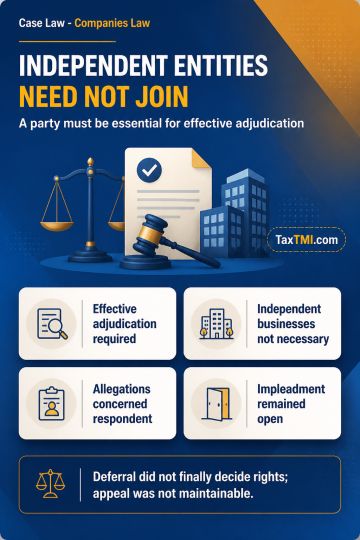
Necessary-party requirements limit impleadment of independent entities, while deferred consideration does not create an appealable adverse determinati...
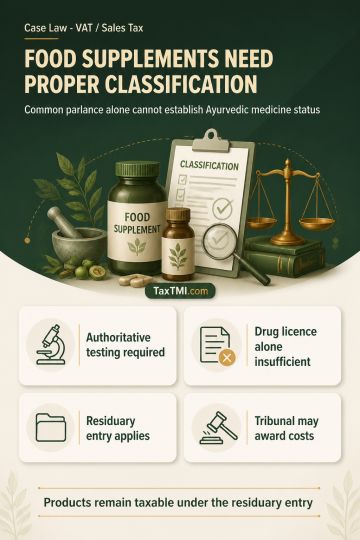
Food supplement classification requires common parlance and authoritative tests, preventing treatment as proprietary Ayurvedic medicines without suppo...
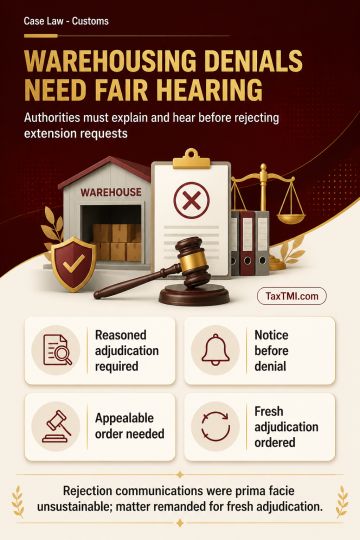
The HC ruled in favor of the petitioner, ordering the release of seized goods upon deposit of the valuation amount. The court found that the respondent failed to provide notice of extension before the six-month seizure period expired, violating Section 67(7) of the CGST Act. The court rejected the respondent's claim of "sufficient cause" based on documents not in the public domain, which denied the petitioner opportunity to respond. The HC emphasized that delayed valuation despite the assessee's cooperation cannot constitute "sufficient cause" for extending seizure. The court clarified that confiscation under Section 130 cannot be equated with seizure powers under Section 67, and that affected parties must be shown "sufficient cause" with proper notice and hearing rights.
The HC ruled in favor of the petitioner, ordering the release of seized goods upon deposit of the valuation amount. The court found that the respondent failed to provide notice of extension before the six-month seizure period expired, violating Section 67(7) of the CGST Act. The court rejected the respondent's claim of "sufficient cause" based on documents not in the public domain, which denied the petitioner opportunity to respond. The HC emphasized that delayed valuation despite the assessee's cooperation cannot constitute "sufficient cause" for extending seizure. The court clarified that confiscation under Section 130 cannot be equated with seizure powers under Section 67, and that affected parties must be shown "sufficient cause" with proper notice and hearing rights.
Note: It is a system-generated summary and is for quick reference only.
 TaxTMI
 of 4801




 Join Channel


 TaxTMI
