Origin Declaration authentication governs preferential tariff claims under India-UK CETA, requiring a validated reference number before import clearan...
Separate assessment orders for different years remain valid when distinct notices and hearing opportunities prevent prejudice from combined proceeding...
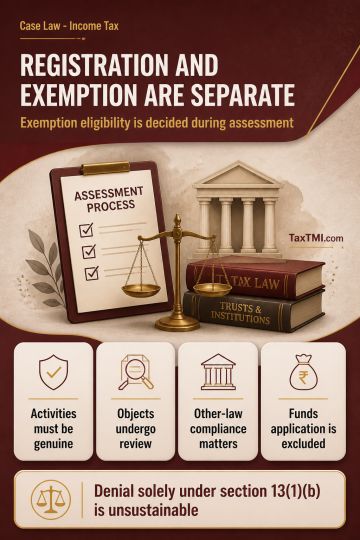
Defined public benefit can retain charitable character; registration renewal requires examining genuine activities and legal compliance, not surplus a...
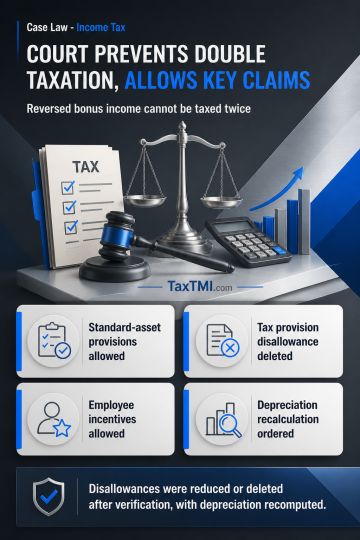
Capital reduction is distinct from share buy-back, preventing buy-back tax; restructuring interest and related business deductions also survive scruti...
The AAAR dismissed the appeal due to late filing beyond the statutorily prescribed time limits under Section 100(2) of CGST Act, 2017. The Authority clarified that while it has discretionary power to condone delays, this power is strictly limited to an additional 30 days beyond the initial 30-day filing period. The appellant failed to demonstrate sufficient cause for the delay, with their first communication occurring on 17.10.2024, well after both the original deadline (30.08.2024) and the condonable period (29.09.2024) had expired. The AAAR emphasized that ignorance of filing procedures cannot excuse non-compliance, and the discretionary power to condone delays is not obligatory but contingent upon showing sufficient cause within statutory timeframes.
The AAAR dismissed the appeal due to late filing beyond the statutorily prescribed time limits under Section 100(2) of CGST Act, 2017. The Authority clarified that while it has discretionary power to condone delays, this power is strictly limited to an additional 30 days beyond the initial 30-day filing period. The appellant failed to demonstrate sufficient cause for the delay, with their first communication occurring on 17.10.2024, well after both the original deadline (30.08.2024) and the condonable period (29.09.2024) had expired. The AAAR emphasized that ignorance of filing procedures cannot excuse non-compliance, and the discretionary power to condone delays is not obligatory but contingent upon showing sufficient cause within statutory timeframes.
Note: It is a system-generated summary and is for quick reference only.
 TaxTMI
 of 4803

















 Join Channel


 TaxTMI
