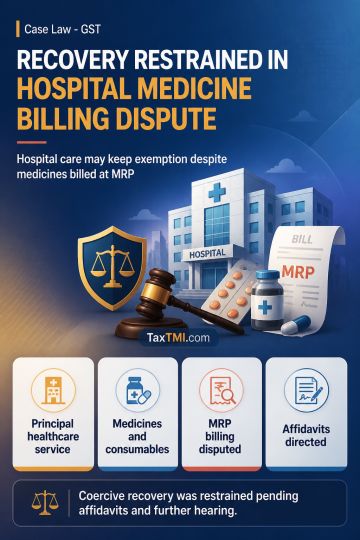
Composite inpatient healthcare supply may retain exemption despite MRP medicine billing, while separate taxable sale characterisation remains disputed...
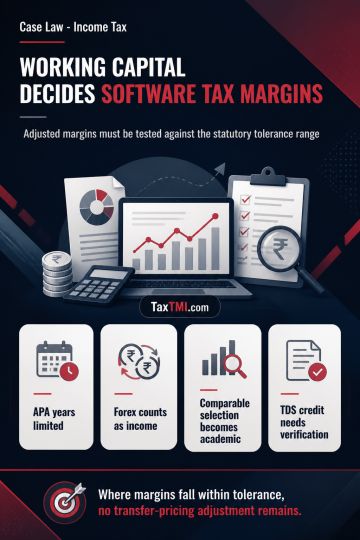
Working-capital adjustment determines whether software-services transfer-pricing margins fall within the statutory tolerance range, eliminating any ad...
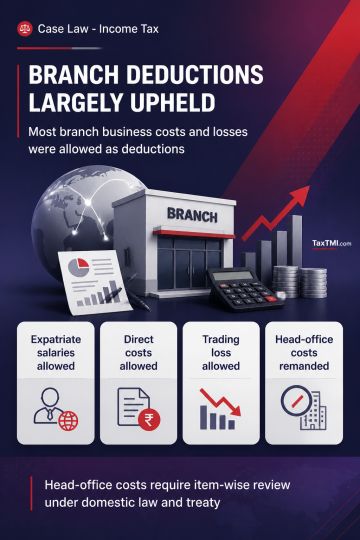
Permanent establishment deductions upheld for expatriate salaries, direct costs and trading losses, while head-office costs require fresh classificati...
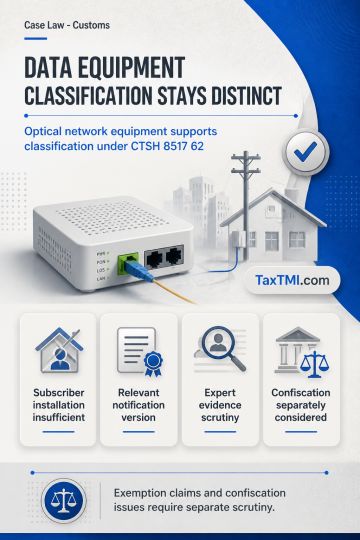
Data transmission equipment classification under CTSH 8517 62 remains distinct from residual classification, with exemption evidence requiring scrutin...
The AAAR dismissed the appeal due to late filing beyond the statutorily prescribed time limits under Section 100(2) of CGST Act, 2017. The Authority clarified that while it has discretionary power to condone delays, this power is strictly limited to an additional 30 days beyond the initial 30-day filing period. The appellant failed to demonstrate sufficient cause for the delay, with their first communication occurring on 17.10.2024, well after both the original deadline (30.08.2024) and the condonable period (29.09.2024) had expired. The AAAR emphasized that ignorance of filing procedures cannot excuse non-compliance, and the discretionary power to condone delays is not obligatory but contingent upon showing sufficient cause within statutory timeframes.
The AAAR dismissed the appeal due to late filing beyond the statutorily prescribed time limits under Section 100(2) of CGST Act, 2017. The Authority clarified that while it has discretionary power to condone delays, this power is strictly limited to an additional 30 days beyond the initial 30-day filing period. The appellant failed to demonstrate sufficient cause for the delay, with their first communication occurring on 17.10.2024, well after both the original deadline (30.08.2024) and the condonable period (29.09.2024) had expired. The AAAR emphasized that ignorance of filing procedures cannot excuse non-compliance, and the discretionary power to condone delays is not obligatory but contingent upon showing sufficient cause within statutory timeframes.
Note: It is a system-generated summary and is for quick reference only.
 TaxTMI
 of 4803







 Join Channel


 TaxTMI
