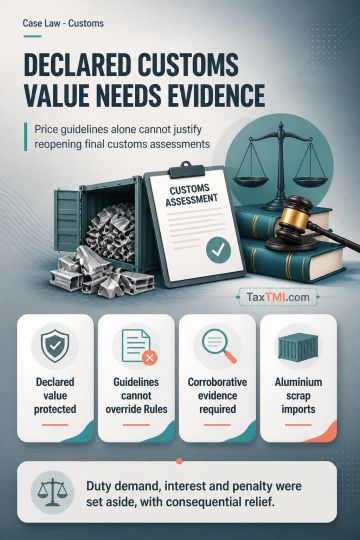
Transaction value cannot be rejected solely on non-statutory valuation guidelines without corroborative evidence supporting reassessment of final cust...
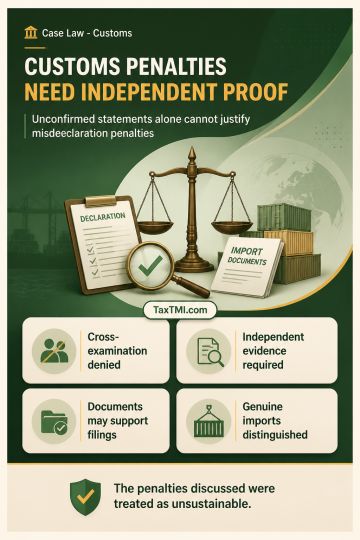
Cross-examination rights and corroborated evidence limit customs penalties for misdeclaration in genuine import transactions involving documented clea...
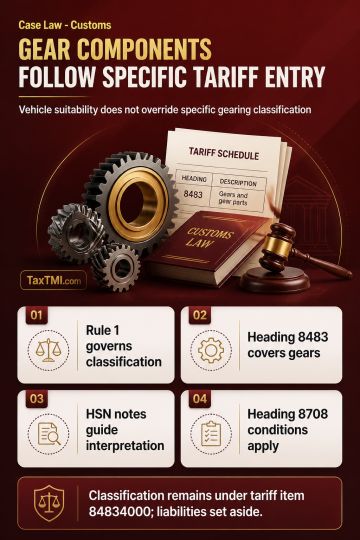
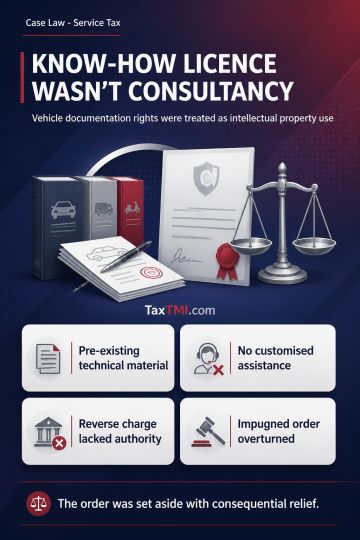
Tariff classification of vehicle gear components follows the specific gearing entry, displacing motor-vehicle parts classification and related liabili...
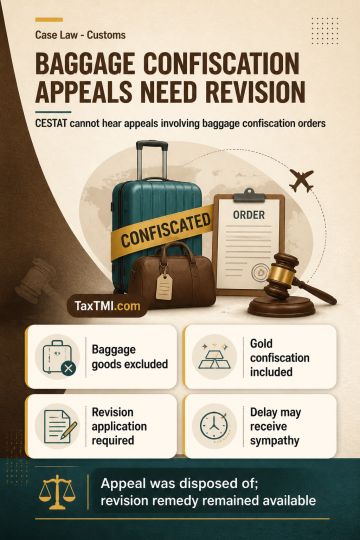
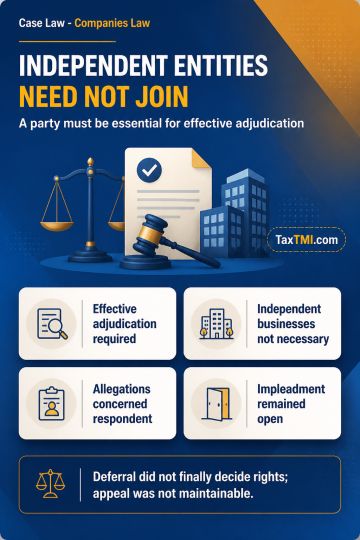
Necessary-party requirements limit impleadment of independent entities, while deferred consideration does not create an appealable adverse determinati...
Food supplement classification requires common parlance and authoritative tests, preventing treatment as proprietary Ayurvedic medicines without suppo...
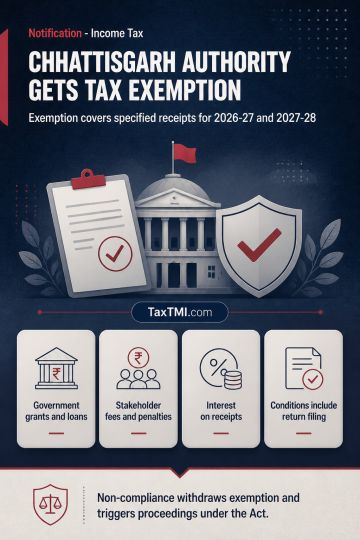
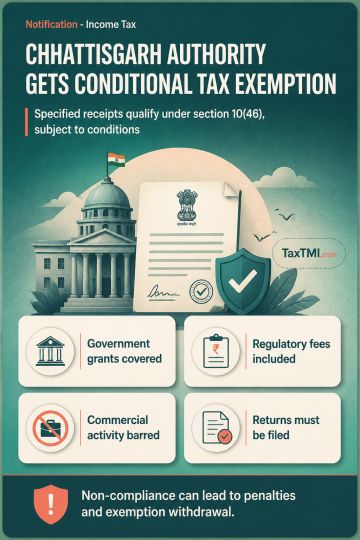
Specified regulatory authority income receives conditional tax exemption, subject to non-commercial activity, unchanged income character, and return f...
Tax exemption for regulatory authority income applies retrospectively, subject to non-commercial activity, unchanged income sources, and return-filing...
Page of 4796
Press 'Enter' after typing page number.
601 to 620 of 95918 Results
❮
❯
❯❯
0 / 200
Expand Note
Add to Folder
No Folders have been created
+
Are you sure you want to delete "My most important" ?
The AAR ruled that Logskim's stipend disbursement to trainees does not qualify as a "pure agent" service under Rule 33 of CGST Rules, as they merely act as a conduit without procuring supplies or making payments to third parties. The authority found that Logskim failed to meet key conditions of Rule 33, particularly clauses (i) and (iii). Similarly, the sale of uniforms, shoes, and insurance premiums to industry partners, even at cost without markup, is taxable since "reimbursement at actuals" alone doesn't establish pure agent status. The AAR concluded that both the stipend amounts received and passed to trainees and the sale of items to industry partners are chargeable to tax under CGST/TNGST Acts, 2017.
The AAR ruled that Logskim's stipend disbursement to trainees does not qualify as a "pure agent" service under Rule 33 of CGST Rules, as they merely act as a conduit without procuring supplies or making payments to third parties. The authority found that Logskim failed to meet key conditions of Rule 33, particularly clauses (i) and (iii). Similarly, the sale of uniforms, shoes, and insurance premiums to industry partners, even at cost without markup, is taxable since "reimbursement at actuals" alone doesn't establish pure agent status. The AAR concluded that both the stipend amounts received and passed to trainees and the sale of items to industry partners are chargeable to tax under CGST/TNGST Acts, 2017.
Note: It is a system-generated summary and is for quick reference only.
 TaxTMI
 of 4796





 Join Channel


 TaxTMI