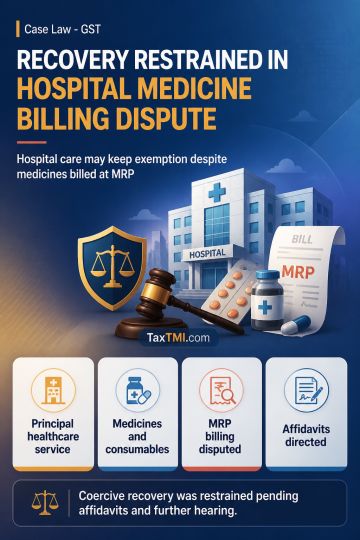
Composite inpatient healthcare supply may retain exemption despite MRP medicine billing, while separate taxable sale characterisation remains disputed...
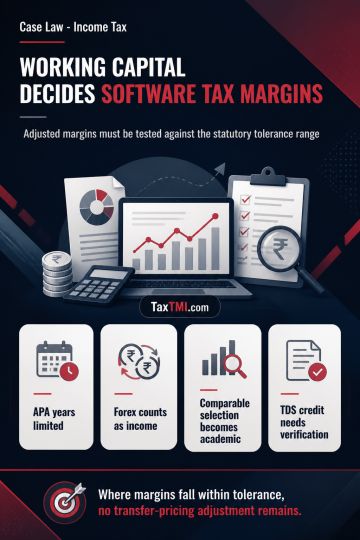
Working-capital adjustment determines whether software-services transfer-pricing margins fall within the statutory tolerance range, eliminating any ad...
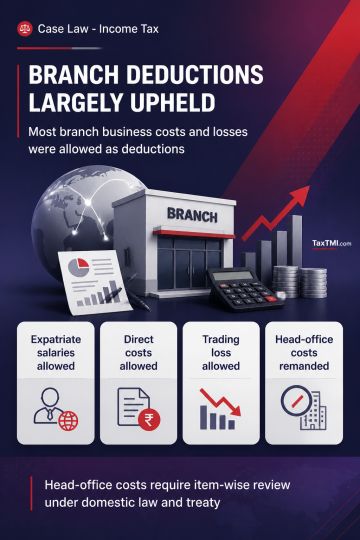
Permanent establishment deductions upheld for expatriate salaries, direct costs and trading losses, while head-office costs require fresh classificati...
The ITAT ruled in favor of the Revenue regarding the classification of government financial aid. Applying the "purpose test" established in Serum Institute of India Private Limited v. Union of India, the Tribunal determined that subsidies helping an assessee operate business more profitably or meet daily expenses constitute taxable revenue receipts, while those for establishing new units or expansion qualify as non-taxable capital receipts. The Finance Act, 2015 amendment to Section 2(24)(xviii) further clarified that all government assistance (subsidies, grants, incentives, etc.) constitutes taxable income unless specifically used to determine an asset's actual cost. Based on these principles, the Revenue's appeal was allowed.
The ITAT ruled in favor of the Revenue regarding the classification of government financial aid. Applying the "purpose test" established in Serum Institute of India Private Limited v. Union of India, the Tribunal determined that subsidies helping an assessee operate business more profitably or meet daily expenses constitute taxable revenue receipts, while those for establishing new units or expansion qualify as non-taxable capital receipts. The Finance Act, 2015 amendment to Section 2(24)(xviii) further clarified that all government assistance (subsidies, grants, incentives, etc.) constitutes taxable income unless specifically used to determine an asset's actual cost. Based on these principles, the Revenue's appeal was allowed.
Note: It is a system-generated summary and is for quick reference only.
 TaxTMI
 of 4792




 Join Channel


 TaxTMI