Aggregation under TNMM prevents selective testing of intra-group services without comparable uncontrolled transactions, while appellate additional cla...
Protective assessment cannot duplicate identical receipts under competing characterisations; remote services did not establish a taxable permanent est...
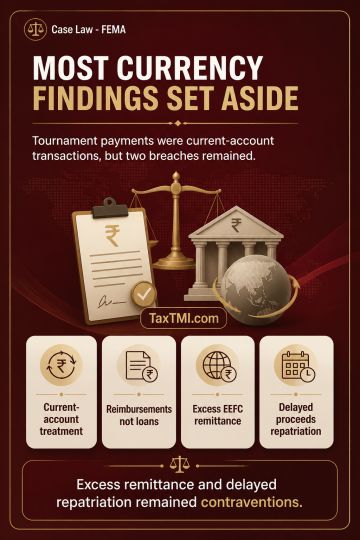
Current account treatment of overseas tournament services removed most FEMA findings, but excess EEFC remittance and delayed repatriation remained bre...
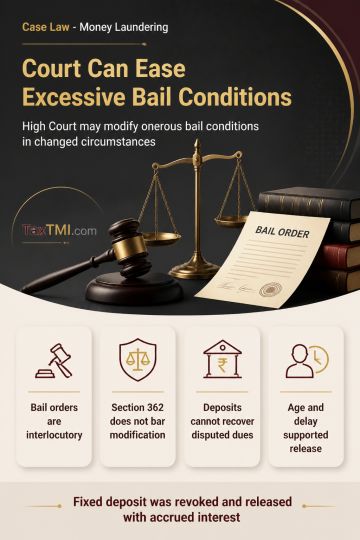
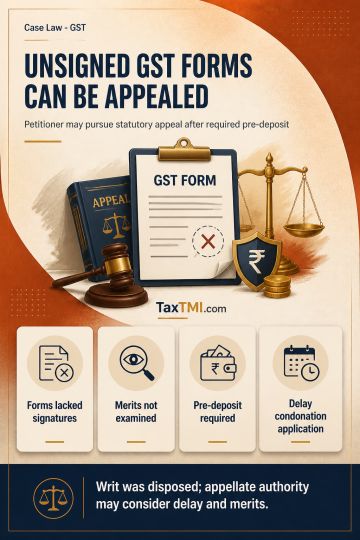
Modification of bail conditions remains available through inherent jurisdiction where onerous deposits undermine justice and cannot recover disputed d...
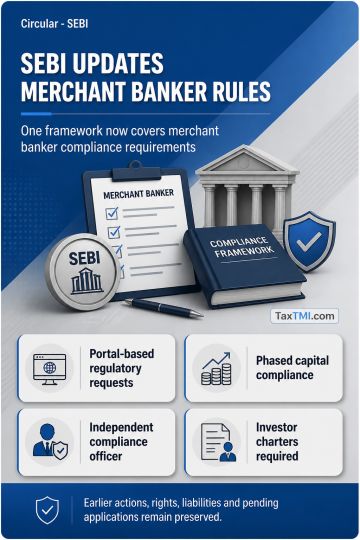
Merchant banker regulation consolidates registration, governance, capital, reporting, outsourcing and investor-protection requirements under an update...
The ITAT ruled in favor of the Revenue regarding the classification of government financial aid. Applying the "purpose test" established in Serum Institute of India Private Limited v. Union of India, the Tribunal determined that subsidies helping an assessee operate business more profitably or meet daily expenses constitute taxable revenue receipts, while those for establishing new units or expansion qualify as non-taxable capital receipts. The Finance Act, 2015 amendment to Section 2(24)(xviii) further clarified that all government assistance (subsidies, grants, incentives, etc.) constitutes taxable income unless specifically used to determine an asset's actual cost. Based on these principles, the Revenue's appeal was allowed.
The ITAT ruled in favor of the Revenue regarding the classification of government financial aid. Applying the "purpose test" established in Serum Institute of India Private Limited v. Union of India, the Tribunal determined that subsidies helping an assessee operate business more profitably or meet daily expenses constitute taxable revenue receipts, while those for establishing new units or expansion qualify as non-taxable capital receipts. The Finance Act, 2015 amendment to Section 2(24)(xviii) further clarified that all government assistance (subsidies, grants, incentives, etc.) constitutes taxable income unless specifically used to determine an asset's actual cost. Based on these principles, the Revenue's appeal was allowed.
Note: It is a system-generated summary and is for quick reference only.
 TaxTMI
 of 4786












 Join Channel


 TaxTMI