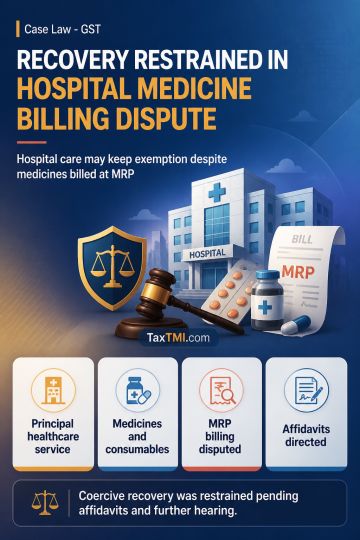
Composite inpatient healthcare supply may retain exemption despite MRP medicine billing, while separate taxable sale characterisation remains disputed...
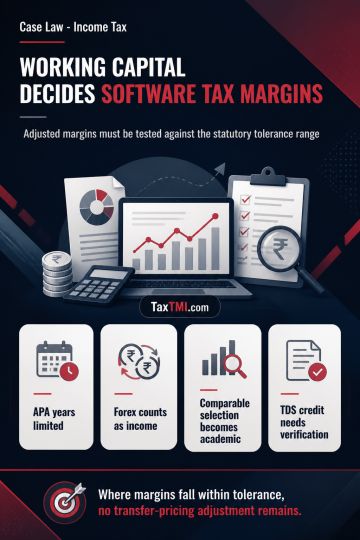
Working-capital adjustment determines whether software-services transfer-pricing margins fall within the statutory tolerance range, eliminating any ad...
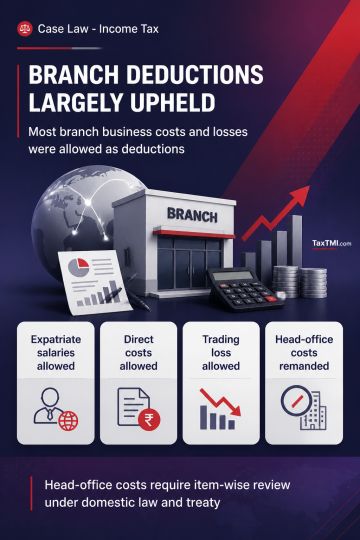
Permanent establishment deductions upheld for expatriate salaries, direct costs and trading losses, while head-office costs require fresh classificati...
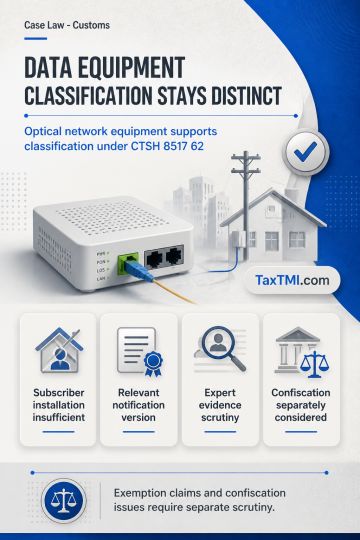
Data transmission equipment classification under CTSH 8517 62 remains distinct from residual classification, with exemption evidence requiring scrutin...
Page of 4788
Press 'Enter' after typing page number.
721 to 740 of 95749 Results
❮
❯
❯❯
0 / 200
Expand Note
Add to Folder
No Folders have been created
+
Are you sure you want to delete "My most important" ?
The NCLAT upheld the dismissal of a Section 7 petition filed by the appellant against the corporate debtor (CD), finding it was initiated with malicious intent. The tribunal determined that the Rs. 92,00,000 transferred to the CD was not a financial debt but an equity investment to acquire control and directorship. During the relevant period (July-October 2019), common directors served in both entities, indicating the appellant was a related party. The arrangement appeared designed to obstruct SBI's recovery efforts under SARFAESI Act rather than seek genuine resolution. The tribunal concluded the petition was fraudulent, with transactions orchestrated by Mittal family members who controlled both entities, making the claim self-serving and legally untenable. The Rs. 10,00,000 penalty imposed on the appellant was deemed justified.
The NCLAT upheld the dismissal of a Section 7 petition filed by the appellant against the corporate debtor (CD), finding it was initiated with malicious intent. The tribunal determined that the Rs. 92,00,000 transferred to the CD was not a financial debt but an equity investment to acquire control and directorship. During the relevant period (July-October 2019), common directors served in both entities, indicating the appellant was a related party. The arrangement appeared designed to obstruct SBI's recovery efforts under SARFAESI Act rather than seek genuine resolution. The tribunal concluded the petition was fraudulent, with transactions orchestrated by Mittal family members who controlled both entities, making the claim self-serving and legally untenable. The Rs. 10,00,000 penalty imposed on the appellant was deemed justified.
Note: It is a system-generated summary and is for quick reference only.
 TaxTMI
 of 4788







 Join Channel


 TaxTMI