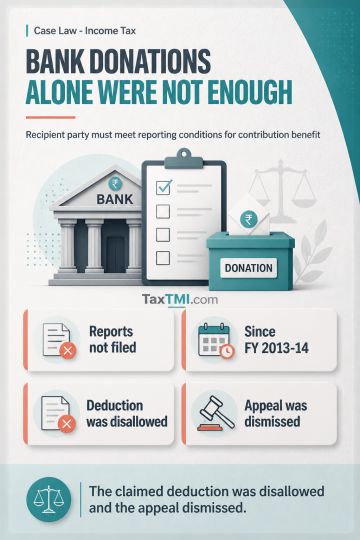
Political contribution deductions require recipient party compliance with contribution-reporting conditions; banking-channel donations alone do not qu...
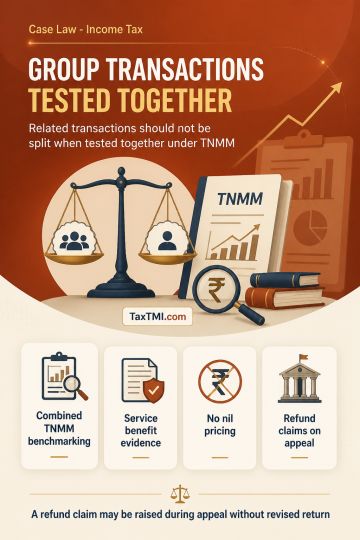
Aggregation under TNMM prevents selective testing of intra-group services without comparable uncontrolled transactions, while appellate additional cla...
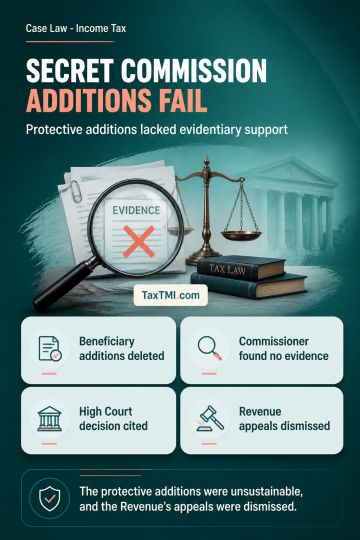
Protective assessment cannot duplicate identical receipts under competing characterisations; remote services did not establish a taxable permanent est...
Current account treatment of overseas tournament services removed most FEMA findings, but excess EEFC remittance and delayed repatriation remained bre...
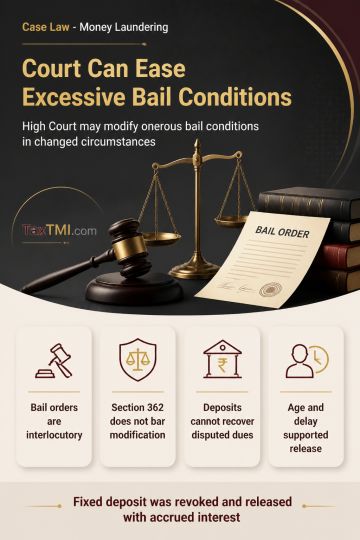
Modification of bail conditions remains available through inherent jurisdiction where onerous deposits undermine justice and cannot recover disputed d...
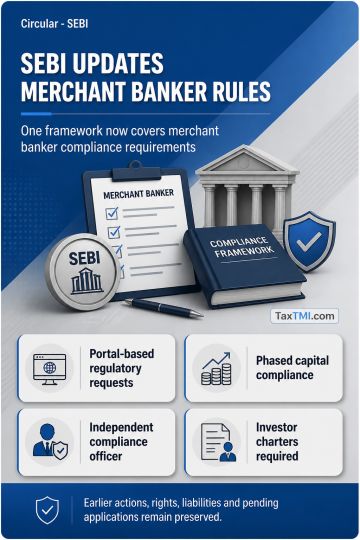
Merchant banker regulation consolidates registration, governance, capital, reporting, outsourcing and investor-protection requirements under an update...
The NCLAT upheld the dismissal of a Section 7 petition filed by the appellant against the corporate debtor (CD), finding it was initiated with malicious intent. The tribunal determined that the Rs. 92,00,000 transferred to the CD was not a financial debt but an equity investment to acquire control and directorship. During the relevant period (July-October 2019), common directors served in both entities, indicating the appellant was a related party. The arrangement appeared designed to obstruct SBI's recovery efforts under SARFAESI Act rather than seek genuine resolution. The tribunal concluded the petition was fraudulent, with transactions orchestrated by Mittal family members who controlled both entities, making the claim self-serving and legally untenable. The Rs. 10,00,000 penalty imposed on the appellant was deemed justified.
The NCLAT upheld the dismissal of a Section 7 petition filed by the appellant against the corporate debtor (CD), finding it was initiated with malicious intent. The tribunal determined that the Rs. 92,00,000 transferred to the CD was not a financial debt but an equity investment to acquire control and directorship. During the relevant period (July-October 2019), common directors served in both entities, indicating the appellant was a related party. The arrangement appeared designed to obstruct SBI's recovery efforts under SARFAESI Act rather than seek genuine resolution. The tribunal concluded the petition was fraudulent, with transactions orchestrated by Mittal family members who controlled both entities, making the claim self-serving and legally untenable. The Rs. 10,00,000 penalty imposed on the appellant was deemed justified.
Note: It is a system-generated summary and is for quick reference only.
 TaxTMI
 of 4780













 Join Channel


 TaxTMI