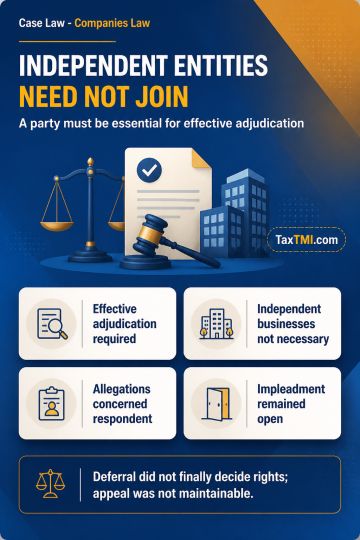
Necessary-party requirements limit impleadment of independent entities, while deferred consideration does not create an appealable adverse determinati...
Food supplement classification requires common parlance and authoritative tests, preventing treatment as proprietary Ayurvedic medicines without suppo...
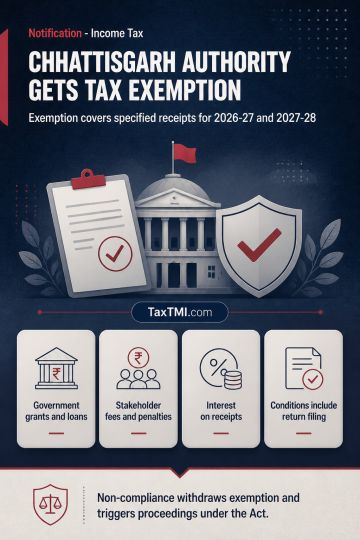
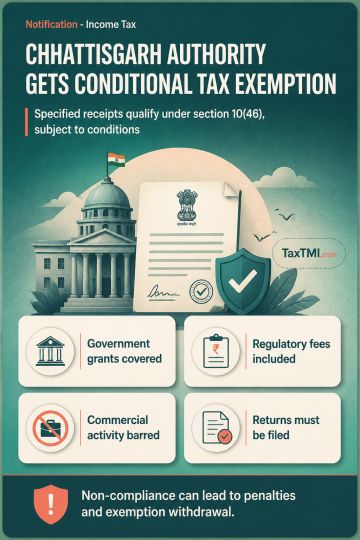
Specified regulatory authority income receives conditional tax exemption, subject to non-commercial activity, unchanged income character, and return f...
Tax exemption for regulatory authority income applies retrospectively, subject to non-commercial activity, unchanged income sources, and return-filing...
Input tax credit conditions remain constitutionally valid, with eligible recipient claims considered under GST circulars and retrospective filing dead...
The HC ruled that amendments to Section 39 of the Insurance Act, 1938, particularly subsections (7) and (8), do not override succession laws. Despite language suggesting nominees receive "beneficial interest," the Court determined that such provisions must be interpreted within the Act's scheme and do not create a parallel succession law. The Court established that when legal heirs make claims, nominee rights must yield to personal succession laws. In this case, the appellant-nominee (mother of the deceased) could not claim absolute ownership over insurance benefits because other Class-I heirs (widow and minor son) had valid claims under Hindu Succession Act. The Court dismissed the appeal, confirming that in contested cases, personal succession law prevails over nomination provisions.
The HC ruled that amendments to Section 39 of the Insurance Act, 1938, particularly subsections (7) and (8), do not override succession laws. Despite language suggesting nominees receive "beneficial interest," the Court determined that such provisions must be interpreted within the Act's scheme and do not create a parallel succession law. The Court established that when legal heirs make claims, nominee rights must yield to personal succession laws. In this case, the appellant-nominee (mother of the deceased) could not claim absolute ownership over insurance benefits because other Class-I heirs (widow and minor son) had valid claims under Hindu Succession Act. The Court dismissed the appeal, confirming that in contested cases, personal succession law prevails over nomination provisions.
Note: It is a system-generated summary and is for quick reference only.
 TaxTMI
 of 4788














 Join Channel


 TaxTMI

