Charitable trust registration requires a specified-violation notice; settled cash deposits and related-party payments did not justify cancellation or ...
External development charges trigger TDS under section 194C, while disputed administrative payments require factual verification and fresh adjudicatio...
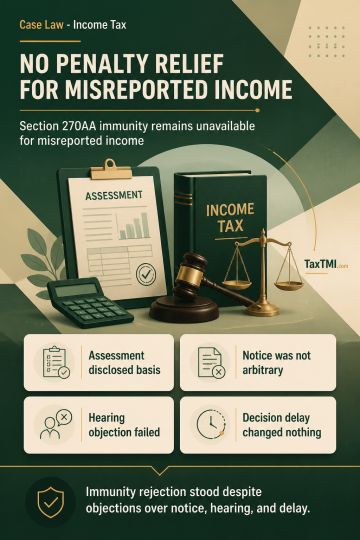
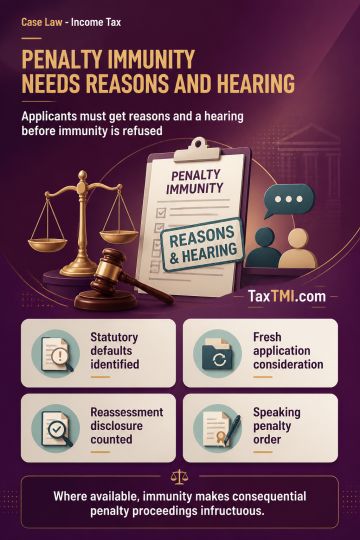
Section 270AA penalty immunity requires identified statutory defaults and a hearing before rejection; reassessment disclosure may constitute under-rep...
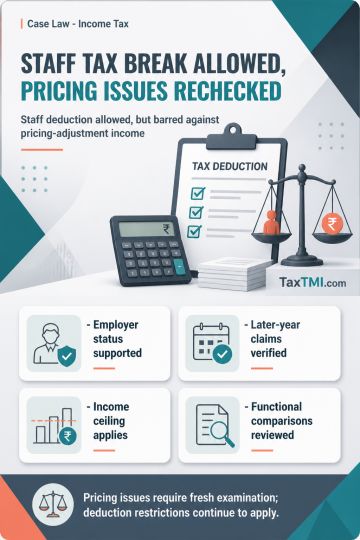
Section 80JJAA employee-cost deduction allowed for deployed staff but barred against transfer-pricing income enhancement, with pricing issues remanded...
Page of 4830
Press 'Enter' after typing page number.
141 to 160 of 96587 Results
❮
❯
❯❯
0 / 200
Expand Note
Add to Folder
No Folders have been created
+
Are you sure you want to delete "My most important" ?
AT upheld insider trading charges against appellants for violating PIT Regulations through trading in Biocon securities while possessing UPSI. Appellant 1 was deemed a 'connected person' under Regulation 2(1)(g)(i) due to close association with company KMPs during CIMAB licensing negotiations and Biocon-Sandoz deal period. Appellant 2 was classified as connected under Regulation 2(1)(d)(i). The tribunal applied preponderance of probability test, noting suspicious trading patterns during UPSI period and frequent communications with senior management. Despite circumstantial evidence, appellants' close involvement with KMPs handling sensitive cross-border deals established insider status. Penalties and market trading restrictions maintained.
AT upheld insider trading charges against appellants for violating PIT Regulations through trading in Biocon securities while possessing UPSI. Appellant 1 was deemed a 'connected person' under Regulation 2(1)(g)(i) due to close association with company KMPs during CIMAB licensing negotiations and Biocon-Sandoz deal period. Appellant 2 was classified as connected under Regulation 2(1)(d)(i). The tribunal applied preponderance of probability test, noting suspicious trading patterns during UPSI period and frequent communications with senior management. Despite circumstantial evidence, appellants' close involvement with KMPs handling sensitive cross-border deals established insider status. Penalties and market trading restrictions maintained.
Note: It is a system-generated summary and is for quick reference only.
 TaxTMI
  TaxTMI
 of 4830



















 Join Channel


