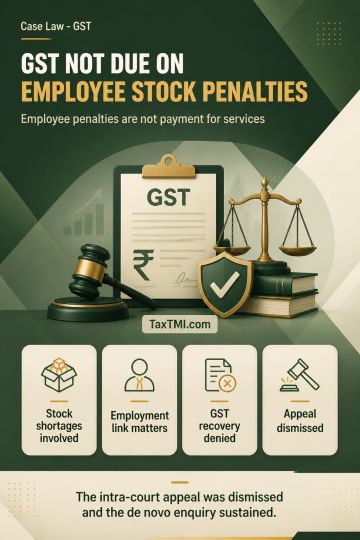
Employee stock-shortage penalties do not constitute consideration for services, preventing GST collection under Schedule II in employment relationship...
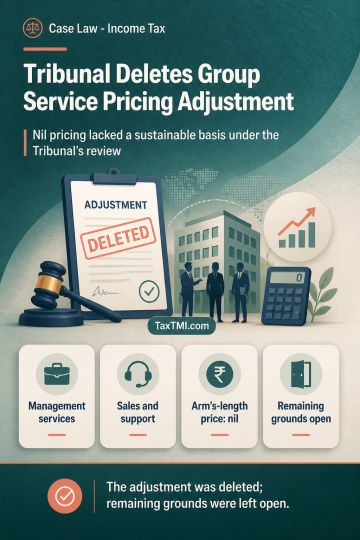
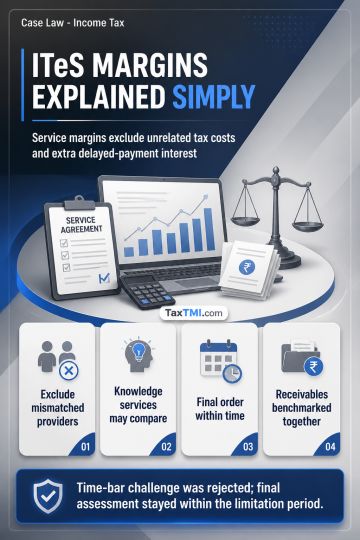
Transfer-pricing treatment of ITeS margins excludes pass-through tax recoveries and separate delayed-receivables interest after working-capital adjust...
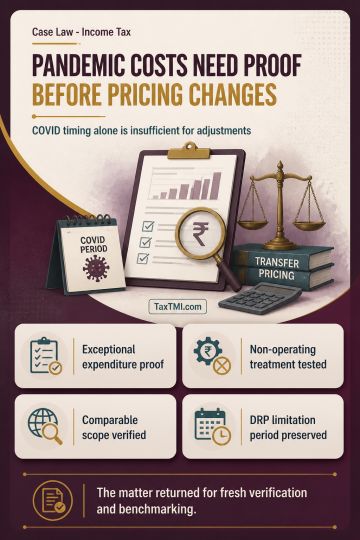
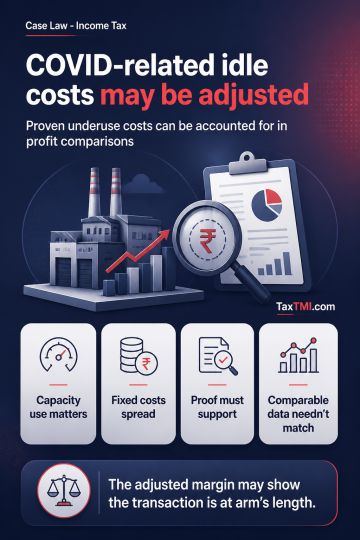
Capacity-utilisation adjustments under TNMM can neutralise substantiated COVID-related idle costs where underutilisation materially affects profitabil...
Page of 4830
Press 'Enter' after typing page number.
181 to 200 of 96587 Results
❮
❯
❯❯
0 / 200
Expand Note
Add to Folder
No Folders have been created
+
Are you sure you want to delete "My most important" ?
The CCI regulations outline procedures for recovering monetary penalties imposed under the Competition Act 2002. Key provisions include: issuance of demand notices requiring payment within specified periods; authority to grant payment extensions or installments; imposition of 1% monthly interest on late payments; multiple recovery modes including attachment of property; and ability to refer cases to income tax authorities for recovery as tax dues. The regulations establish a systematic framework through prescribed forms and registers while empowering recovery officers to execute certificates. Notable features include provisions for refunds if penalties are reduced on appeal, maintenance of recovery registers, and mechanisms for dealing with defaulters. These 2024 regulations repeal and replace the 2011 regulations while preserving prior actions taken under the old framework.
The CCI regulations outline procedures for recovering monetary penalties imposed under the Competition Act 2002. Key provisions include: issuance of demand notices requiring payment within specified periods; authority to grant payment extensions or installments; imposition of 1% monthly interest on late payments; multiple recovery modes including attachment of property; and ability to refer cases to income tax authorities for recovery as tax dues. The regulations establish a systematic framework through prescribed forms and registers while empowering recovery officers to execute certificates. Notable features include provisions for refunds if penalties are reduced on appeal, maintenance of recovery registers, and mechanisms for dealing with defaulters. These 2024 regulations repeal and replace the 2011 regulations while preserving prior actions taken under the old framework.
Note: It is a system-generated summary and is for quick reference only.
 TaxTMI
  TaxTMI
 of 4830




 Join Channel


