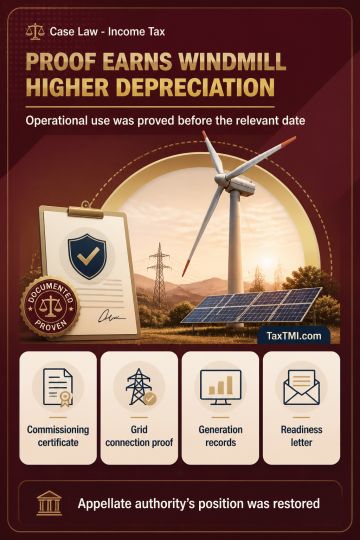
Windmill commissioning evidence supported higher depreciation where grid connection and electricity generation proved operational use before the relev...
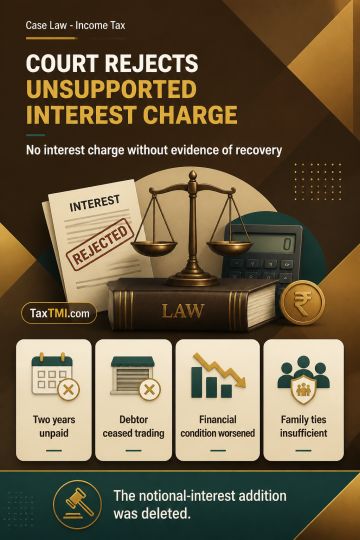
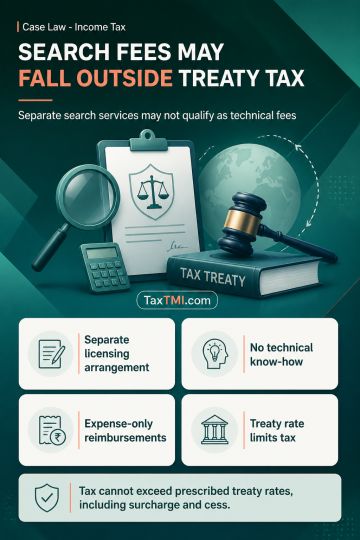
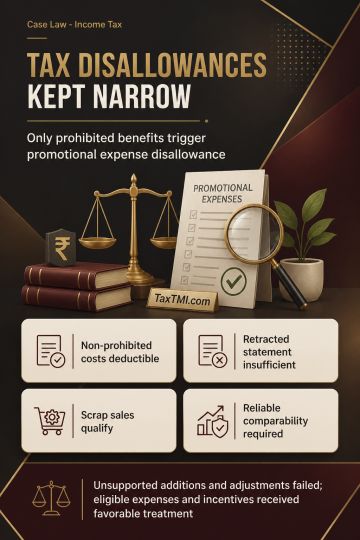
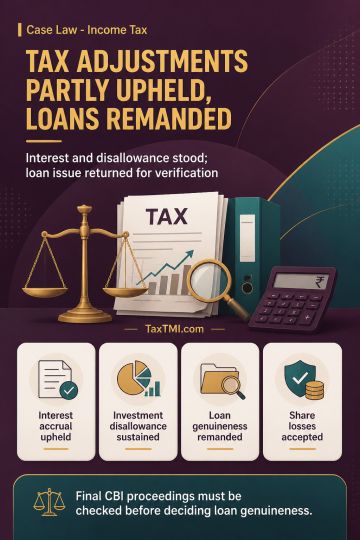
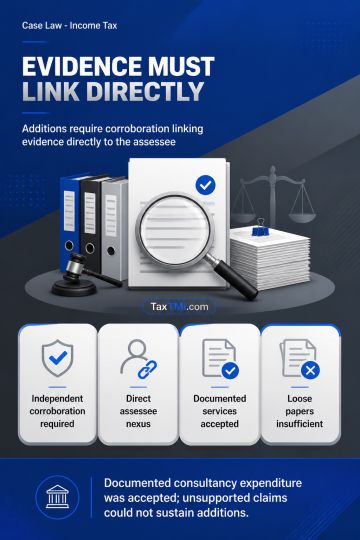
Pharmaceutical promotion and transfer-pricing comparability principles limited disallowances, while uncorroborated search allegations and unsupported ...
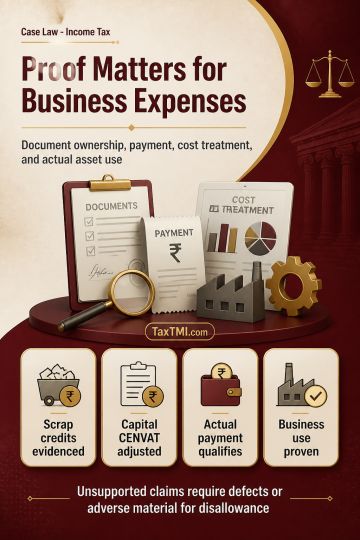
Business expenditure substantiation supports scrap credits, statutory payments and expense claims, while depreciation requires proof of actual busines...
HC ruled that GST show-cause notices and final orders lacking physical or digital signatures of the Proper Officer are legally invalid. The court emphasized that Rule 142 of GST Rules mandates prescribed Forms requiring signatures, making it a statutory requirement rather than optional. The presence of signature fields in DRC-01 and DRC-07 forms establishes this as a mandatory element. Section 160 of GST Act regarding procedural defects does not protect unsigned notices. The court aligned with precedents from other High Courts and IT Act provisions requiring proper authentication of electronic records. Consequently, the impugned notices and orders without Proper Officer signatures were held invalid and the petition was allowed.
HC ruled that GST show-cause notices and final orders lacking physical or digital signatures of the Proper Officer are legally invalid. The court emphasized that Rule 142 of GST Rules mandates prescribed Forms requiring signatures, making it a statutory requirement rather than optional. The presence of signature fields in DRC-01 and DRC-07 forms establishes this as a mandatory element. Section 160 of GST Act regarding procedural defects does not protect unsigned notices. The court aligned with precedents from other High Courts and IT Act provisions requiring proper authentication of electronic records. Consequently, the impugned notices and orders without Proper Officer signatures were held invalid and the petition was allowed.
Note: It is a system-generated summary and is for quick reference only.
 TaxTMI
 of 4803




 Join Channel


 TaxTMI
