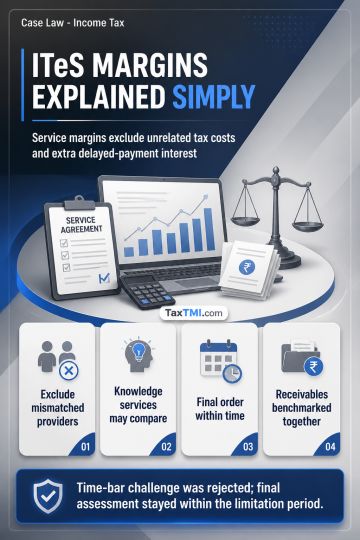
Transfer-pricing treatment of ITeS margins excludes pass-through tax recoveries and separate delayed-receivables interest after working-capital adjust...
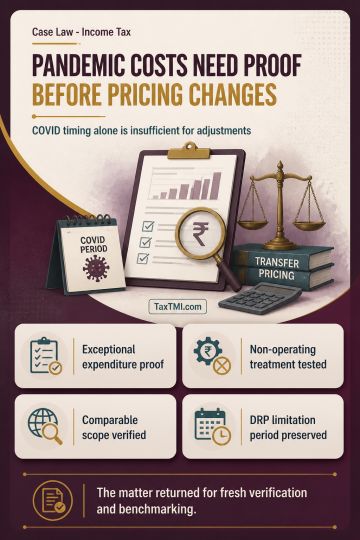
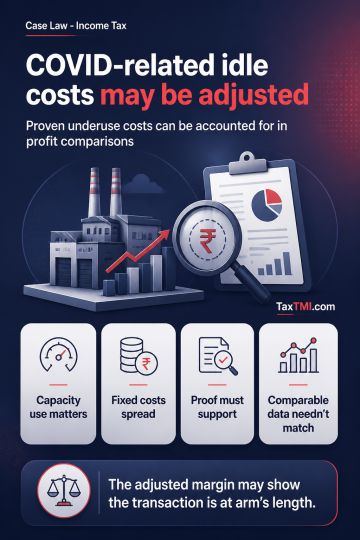
Capacity-utilisation adjustments under TNMM can neutralise substantiated COVID-related idle costs where underutilisation materially affects profitabil...
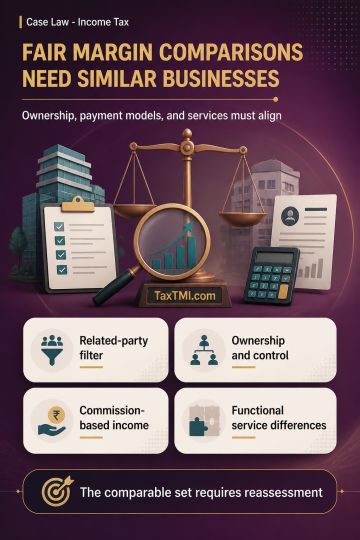
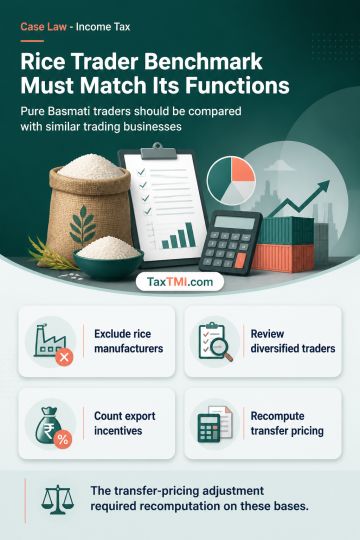
TNMM functional comparability requires excluding rice manufacturers from a pure Basmati rice trader's benchmark and recognising operating export recei...
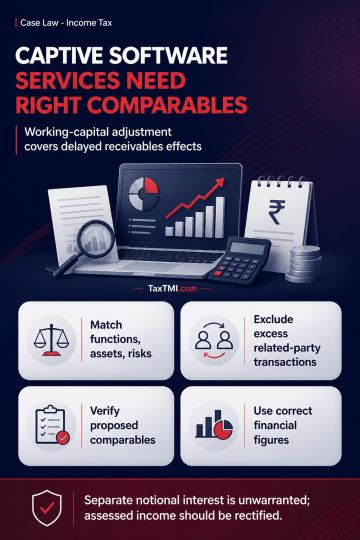
Working-capital adjustment subsumes delayed-receivable effects in TNMM benchmarking of captive software-development services, avoiding separate notion...
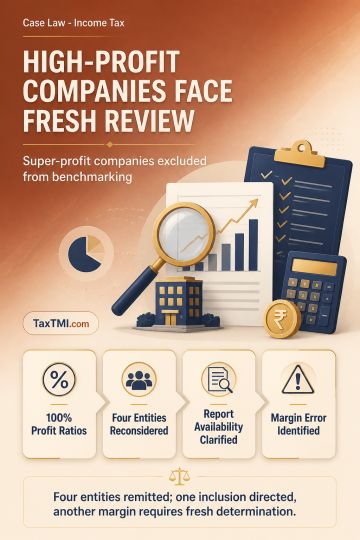
Transfer-pricing comparability requires exclusion of financially illogical super-profit comparables and correction of unsupported annual-report and ma...
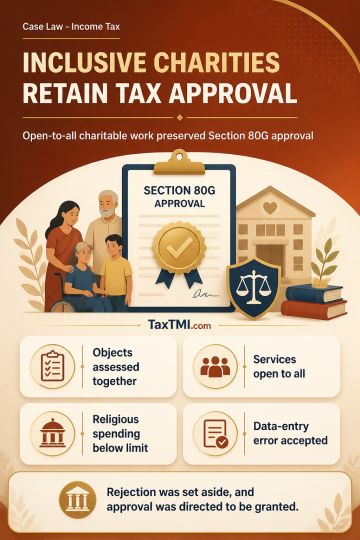
Charitable character assessment preserves Section 80G approval despite inclusive spiritual teachings and incidental religious expenditure within the s...
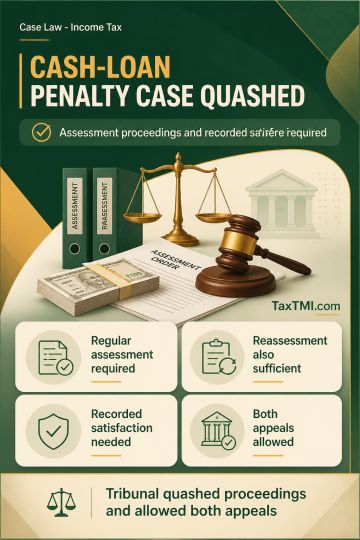
Penalty proceedings for cash-loan acceptance require assessment proceedings and recorded Assessing Officer satisfaction; absent these, the proceedings...
Page of 4828
Press 'Enter' after typing page number.
161 to 180 of 96556 Results
❮
❯
❯❯
0 / 200
Expand Note
Add to Folder
No Folders have been created
+
Are you sure you want to delete "My most important" ?
ITAT reversed CIT(A)'s decision and upheld AO's denial of exemption under section 10(23C)(vi). While providing education and integrated hostel facilities qualifies as charitable activity, operating hostels separately on commercial basis constitutes business activity. Following Supreme Court's precedent in Ahmedabad Urban Development Authority case, ITAT held that charging substantially higher fees over cost amounts to "trade, commerce or business." The Trust's hostel operations generating surplus of Rs. 6.21 crores exceeded mere cost recovery with nominal markup. Since commercial activities were not incidental to educational purposes and exceeded 20% threshold under section 2(15), the Trust failed to meet "solely educational purposes" requirement. Revenue's appeal allowed.
ITAT reversed CIT(A)'s decision and upheld AO's denial of exemption under section 10(23C)(vi). While providing education and integrated hostel facilities qualifies as charitable activity, operating hostels separately on commercial basis constitutes business activity. Following Supreme Court's precedent in Ahmedabad Urban Development Authority case, ITAT held that charging substantially higher fees over cost amounts to "trade, commerce or business." The Trust's hostel operations generating surplus of Rs. 6.21 crores exceeded mere cost recovery with nominal markup. Since commercial activities were not incidental to educational purposes and exceeded 20% threshold under section 2(15), the Trust failed to meet "solely educational purposes" requirement. Revenue's appeal allowed.
Note: It is a system-generated summary and is for quick reference only.
 TaxTMI
  TaxTMI
 of 4828



 Join Channel