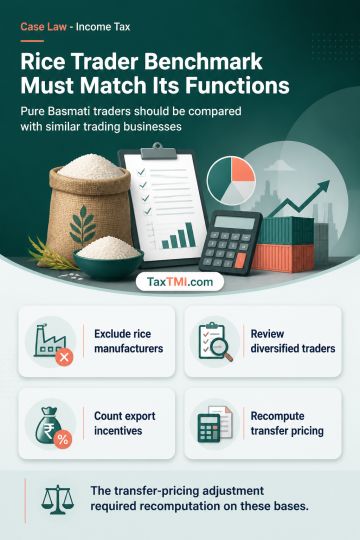
TNMM functional comparability requires excluding rice manufacturers from a pure Basmati rice trader's benchmark and recognising operating export recei...
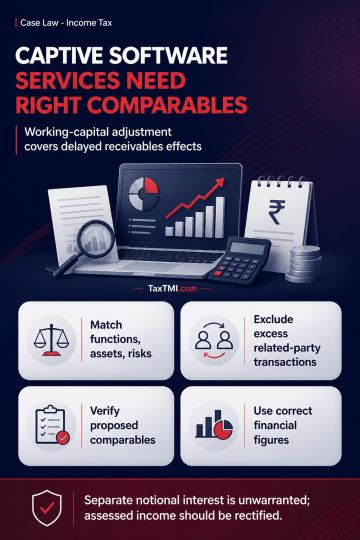
Working-capital adjustment subsumes delayed-receivable effects in TNMM benchmarking of captive software-development services, avoiding separate notion...
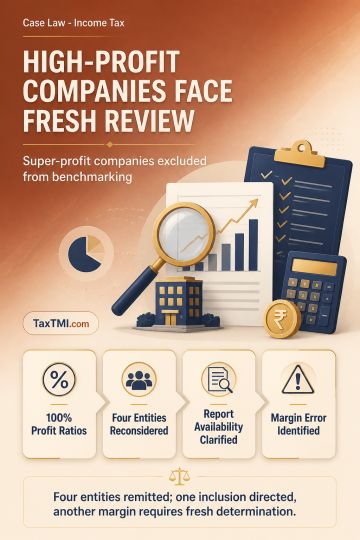
Transfer-pricing comparability requires exclusion of financially illogical super-profit comparables and correction of unsupported annual-report and ma...
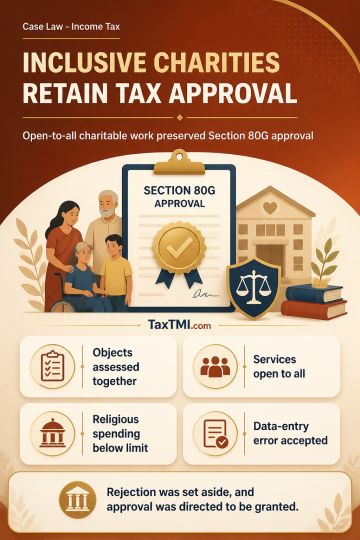
Charitable character assessment preserves Section 80G approval despite inclusive spiritual teachings and incidental religious expenditure within the s...
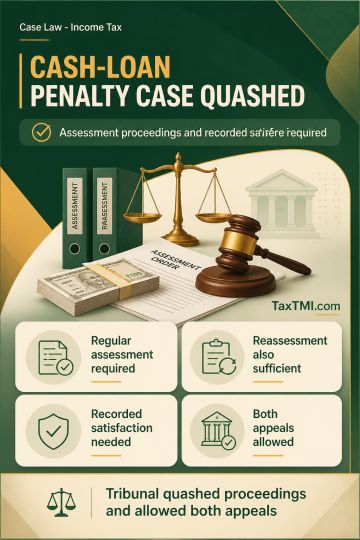
Penalty proceedings for cash-loan acceptance require assessment proceedings and recorded Assessing Officer satisfaction; absent these, the proceedings...
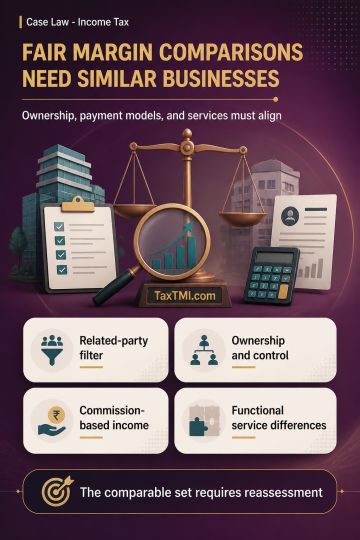
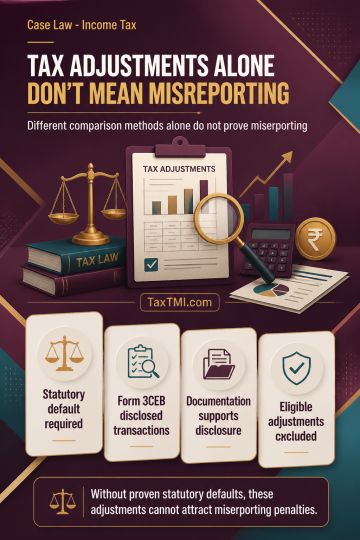
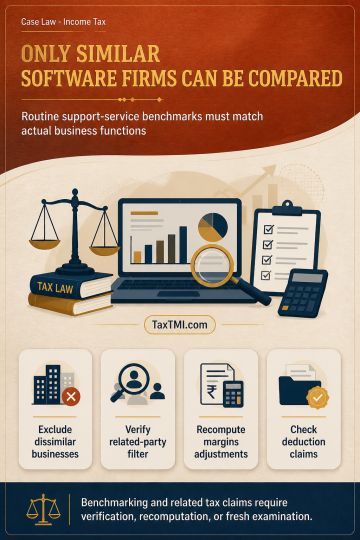
Functional comparability governs software-service benchmarking: dissimilar companies are excluded, while related-party filters, margins and working-ca...
CESTAT allowed appeal concerning CENVAT credit on Smart-Cards sent to STB manufacturer for testing and pairing. Tribunal held appellant was not required to reverse CENVAT credit under Rule 3(5) as Smart-Cards were ultimately used for providing DTH Broadcasting services. Rule 4(5)(a)(i) permits CENVAT credit when inputs are sent to job worker for processing and returned within prescribed timeframe. Appellant's accounting records adequately demonstrated compliance with Rule 4(5)(a) requirements for tracking movement of Smart-Cards to job worker and their return with STBs. Department's reliance on Non-Ferrous Industries case distinguished as it pertained to different statutory framework under Central Excise Rules, 1944. Appeal sustained as case fell within Rule 4(5)(a) scope.
CESTAT allowed appeal concerning CENVAT credit on Smart-Cards sent to STB manufacturer for testing and pairing. Tribunal held appellant was not required to reverse CENVAT credit under Rule 3(5) as Smart-Cards were ultimately used for providing DTH Broadcasting services. Rule 4(5)(a)(i) permits CENVAT credit when inputs are sent to job worker for processing and returned within prescribed timeframe. Appellant's accounting records adequately demonstrated compliance with Rule 4(5)(a) requirements for tracking movement of Smart-Cards to job worker and their return with STBs. Department's reliance on Non-Ferrous Industries case distinguished as it pertained to different statutory framework under Central Excise Rules, 1944. Appeal sustained as case fell within Rule 4(5)(a) scope.
Note: It is a system-generated summary and is for quick reference only.
 TaxTMI
  TaxTMI
 of 4830



 Join Channel


