Origin Declaration authentication governs preferential tariff claims under India-UK CETA, requiring a validated reference number before import clearan...
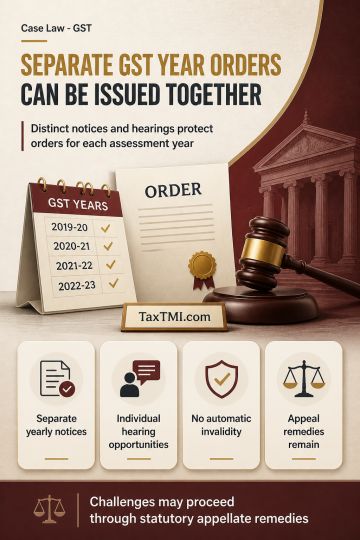
Separate assessment orders for different years remain valid when distinct notices and hearing opportunities prevent prejudice from combined proceeding...
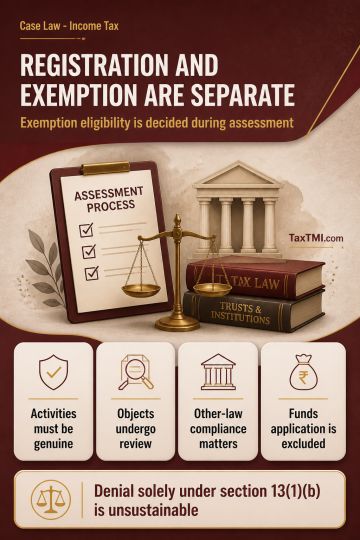
Defined public benefit can retain charitable character; registration renewal requires examining genuine activities and legal compliance, not surplus a...
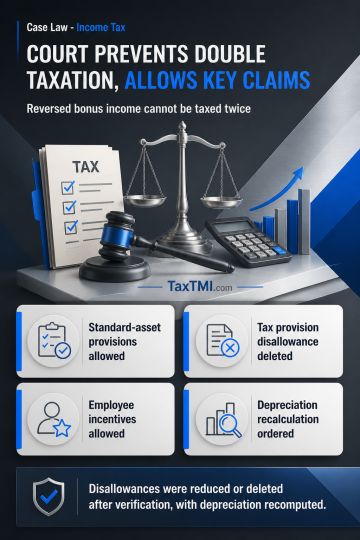
Capital reduction is distinct from share buy-back, preventing buy-back tax; restructuring interest and related business deductions also survive scruti...
HC allowed petition challenging appellate order under Section 107 of 2017 Act, finding that Appellate Authority failed to judiciously exercise discretionary power regarding delay condonation. Petitioner demonstrated sufficient cause for 3-day delay in filing appeal, citing Managing Director's travel. The delay fell within condonable period under Section 107(4). Authority erred by not examining whether delay was condonable and if sufficient cause existed. HC condoned delay, noting it was within prescribed statutory period and backed by reasonable justification. Matter remanded to Appellate Authority for consideration on merits.
HC allowed petition challenging appellate order under Section 107 of 2017 Act, finding that Appellate Authority failed to judiciously exercise discretionary power regarding delay condonation. Petitioner demonstrated sufficient cause for 3-day delay in filing appeal, citing Managing Director's travel. The delay fell within condonable period under Section 107(4). Authority erred by not examining whether delay was condonable and if sufficient cause existed. HC condoned delay, noting it was within prescribed statutory period and backed by reasonable justification. Matter remanded to Appellate Authority for consideration on merits.
Note: It is a system-generated summary and is for quick reference only.
 TaxTMI
 of 4803












 Join Channel


 TaxTMI
