Transfer pricing and tax deductions upheld on established principles, while employee contributions and warranty provisions returned for fresh examinat...
Captive transfer pricing relies on industrial consumer tariffs, while genuine quotations can benchmark effluent treatment transfers under the Other Me...
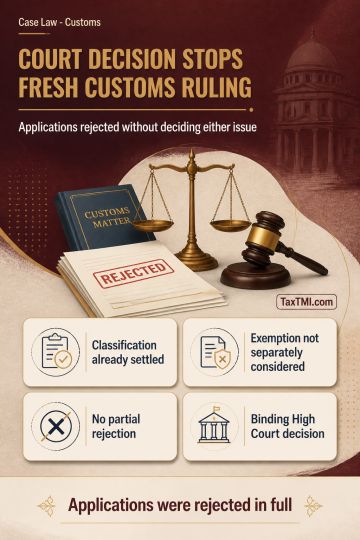
Specific tariff classification for ophthalmic instruments and extended limitation principles determine the treatment of duty demands, confiscation, an...
Integrated golf function determines classification, placing launch monitors and simulators under other golf equipment rather than measuring instrument...
Public servant status under anti-corruption law extends to recognised stock exchange leadership; constitutional and sanction challenges do not succeed...
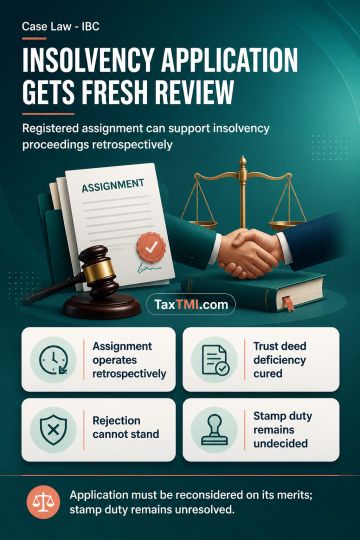
Acquiescence, homebuyer protection and clean-slate resolution principles prevent landowners from disrupting an integrated project through late termina...
CESTAT examined taxation of retained freight portions from oil companies under business auxiliary services. The dispute centered on whether appellant's retention of "address commission" from vessel charter charges constituted taxable service. While service provider's location in India established territorial jurisdiction, the adjudicating authority failed to properly analyze whether retained amounts represented commission from overseas vessel owners rather than service charges to oil companies. The tribunal found inadequate consideration of Place of Provision Rules 2012 and legal basis for tax liability under Finance Act sections 66 and 66B. Matter remanded to original authority for fresh examination of tax applicability, contractual relationships, and proper characterization of retained amounts as either service consideration or overseas commission payments.
CESTAT examined taxation of retained freight portions from oil companies under business auxiliary services. The dispute centered on whether appellant's retention of "address commission" from vessel charter charges constituted taxable service. While service provider's location in India established territorial jurisdiction, the adjudicating authority failed to properly analyze whether retained amounts represented commission from overseas vessel owners rather than service charges to oil companies. The tribunal found inadequate consideration of Place of Provision Rules 2012 and legal basis for tax liability under Finance Act sections 66 and 66B. Matter remanded to original authority for fresh examination of tax applicability, contractual relationships, and proper characterization of retained amounts as either service consideration or overseas commission payments.
Note: It is a system-generated summary and is for quick reference only.
 TaxTMI
 of 4803

















 Join Channel


 TaxTMI