Pre-existing operational debt disputes require genuine evidence, while undirected running-account payments may be appropriated on a first-in-first-out...
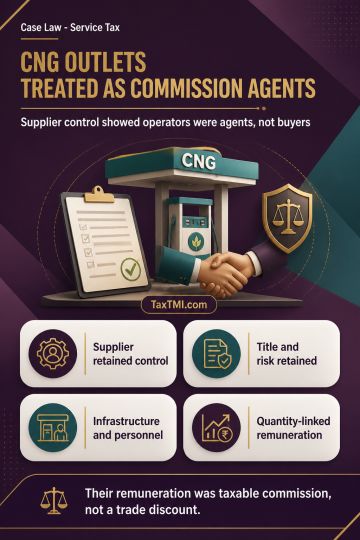
Agency in CNG distribution makes outlet operators commission agents, rendering taxable Business Auxiliary Service rather than purchasing goods for res...
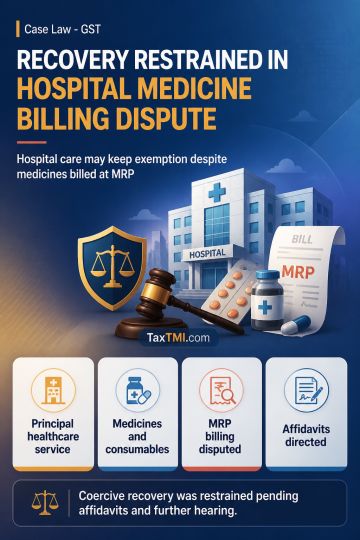
Composite inpatient healthcare supply may retain exemption despite MRP medicine billing, while separate taxable sale characterisation remains disputed...
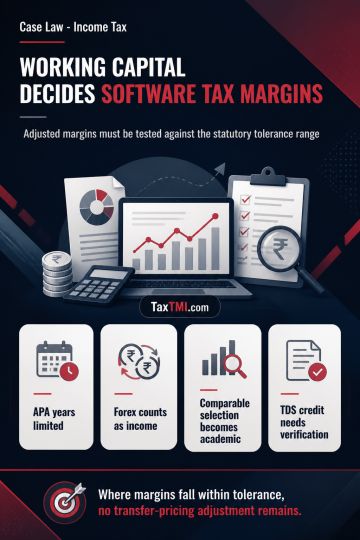
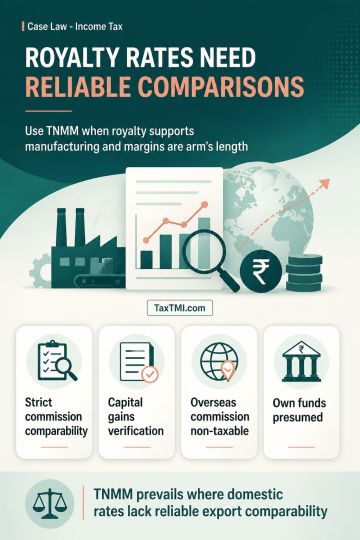
Working-capital adjustment determines whether software-services transfer-pricing margins fall within the statutory tolerance range, eliminating any ad...
Page of 4798
Press 'Enter' after typing page number.
921 to 940 of 95957 Results
❮
❯
❯❯
0 / 200
Expand Note
Add to Folder
No Folders have been created
+
Are you sure you want to delete "My most important" ?
CESTAT examined taxation of retained freight portions from oil companies under business auxiliary services. The dispute centered on whether appellant's retention of "address commission" from vessel charter charges constituted taxable service. While service provider's location in India established territorial jurisdiction, the adjudicating authority failed to properly analyze whether retained amounts represented commission from overseas vessel owners rather than service charges to oil companies. The tribunal found inadequate consideration of Place of Provision Rules 2012 and legal basis for tax liability under Finance Act sections 66 and 66B. Matter remanded to original authority for fresh examination of tax applicability, contractual relationships, and proper characterization of retained amounts as either service consideration or overseas commission payments.
CESTAT examined taxation of retained freight portions from oil companies under business auxiliary services. The dispute centered on whether appellant's retention of "address commission" from vessel charter charges constituted taxable service. While service provider's location in India established territorial jurisdiction, the adjudicating authority failed to properly analyze whether retained amounts represented commission from overseas vessel owners rather than service charges to oil companies. The tribunal found inadequate consideration of Place of Provision Rules 2012 and legal basis for tax liability under Finance Act sections 66 and 66B. Matter remanded to original authority for fresh examination of tax applicability, contractual relationships, and proper characterization of retained amounts as either service consideration or overseas commission payments.
Note: It is a system-generated summary and is for quick reference only.
 TaxTMI
 of 4798














 Join Channel


 TaxTMI