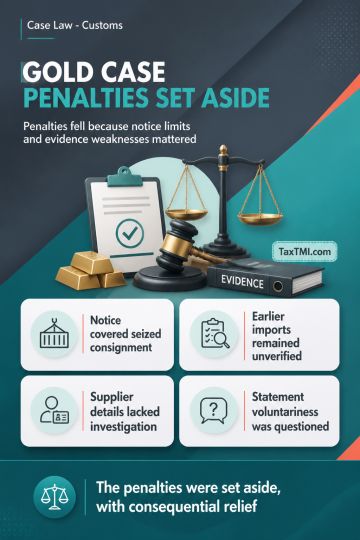
Arrest safeguards and transit remand requirements invalidated detention following inter-State transfer without communicated grounds or magistrate auth...
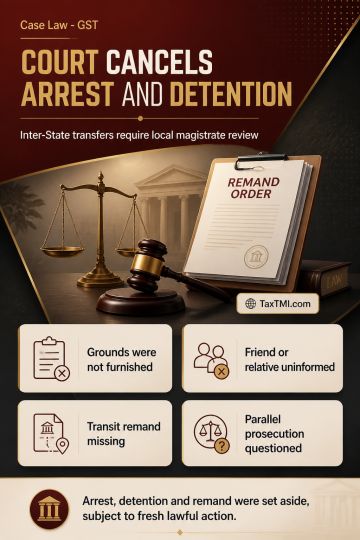
Arrest safeguards require disclosed grounds, relative intimation and transit remand, while duplicate prosecution under the CGST framework is unsustain...
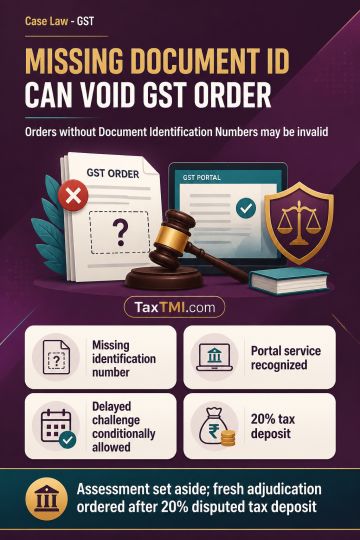
Document Identification Number defects can invalidate GST assessments, with delayed challenges entertained conditionally where patent irregularities e...
Windmill commissioning evidence supported higher depreciation where grid connection and electricity generation proved operational use before the relev...
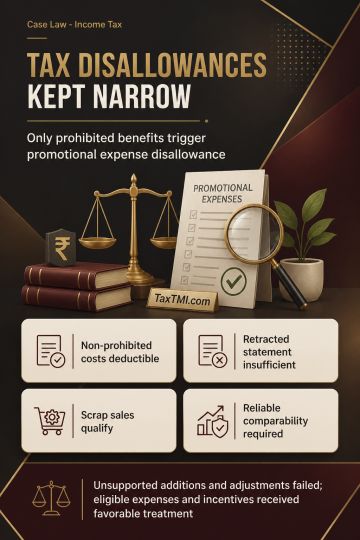
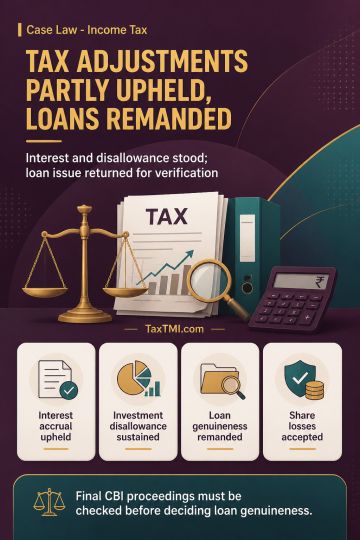
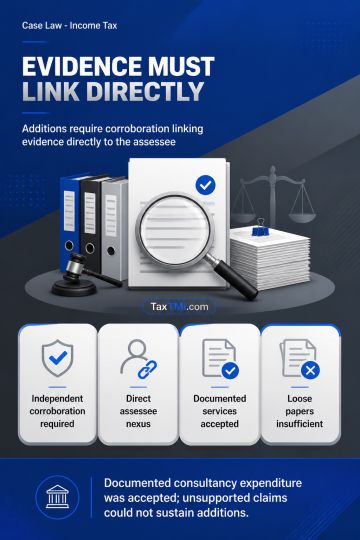
Pharmaceutical promotion and transfer-pricing comparability principles limited disallowances, while uncorroborated search allegations and unsupported ...
Business expenditure substantiation supports scrap credits, statutory payments and expense claims, while depreciation requires proof of actual busines...
CESTAT examined taxation of retained freight portions from oil companies under business auxiliary services. The dispute centered on whether appellant's retention of "address commission" from vessel charter charges constituted taxable service. While service provider's location in India established territorial jurisdiction, the adjudicating authority failed to properly analyze whether retained amounts represented commission from overseas vessel owners rather than service charges to oil companies. The tribunal found inadequate consideration of Place of Provision Rules 2012 and legal basis for tax liability under Finance Act sections 66 and 66B. Matter remanded to original authority for fresh examination of tax applicability, contractual relationships, and proper characterization of retained amounts as either service consideration or overseas commission payments.
CESTAT examined taxation of retained freight portions from oil companies under business auxiliary services. The dispute centered on whether appellant's retention of "address commission" from vessel charter charges constituted taxable service. While service provider's location in India established territorial jurisdiction, the adjudicating authority failed to properly analyze whether retained amounts represented commission from overseas vessel owners rather than service charges to oil companies. The tribunal found inadequate consideration of Place of Provision Rules 2012 and legal basis for tax liability under Finance Act sections 66 and 66B. Matter remanded to original authority for fresh examination of tax applicability, contractual relationships, and proper characterization of retained amounts as either service consideration or overseas commission payments.
Note: It is a system-generated summary and is for quick reference only.
 TaxTMI
 of 4792












 Join Channel


 TaxTMI