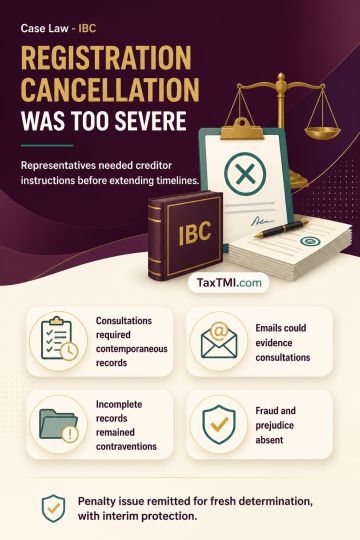
Disciplinary proportionality requires penalties for Authorised Representative misconduct to match proven harm, leading to reconsideration of registrat...
Political contribution deductions require genuine transactions; banking records and party registration alone cannot defeat evidence of accommodation e...
Post-death GST liability permits fresh proceedings against legal representatives, while discontinued-business recovery remains limited to the inherite...
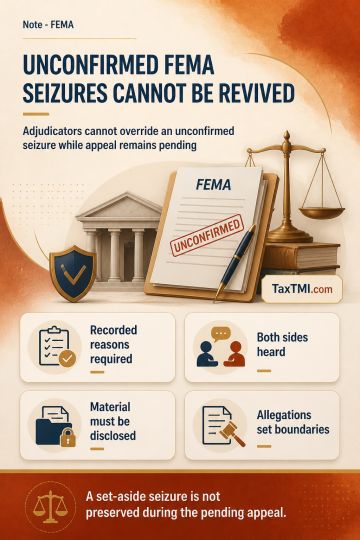
Non-confirmation of FEMA seizure prevents adjudicators from overriding pending appellate findings on recorded reasons and suspected foreign asset hold...
ITAT ruled favorably on multiple issues for the banking assessee. The tribunal allowed deduction under s.36(1)(viia) for NPA provisions, holding them equivalent to provisions for bad and doubtful debts. For s.14A disallowance, matter was remanded to examine administrative expenses allocation despite interest-free funds exceeding investments. Deduction under s.36(1)(vii) was permitted following prior precedent. RBI penalty payment was deemed allowable under s.37 as not being for legal infraction. Interest on Innovative Perpetual Debt Instruments (IPDI) qualified for deduction under s.36(1)(iii), recognizing these hybrid instruments as legitimate business borrowings despite their perpetual nature and discretionary payout features. The ruling primarily followed established banking sector precedents and emphasized substance over form.
ITAT ruled favorably on multiple issues for the banking assessee. The tribunal allowed deduction under s.36(1)(viia) for NPA provisions, holding them equivalent to provisions for bad and doubtful debts. For s.14A disallowance, matter was remanded to examine administrative expenses allocation despite interest-free funds exceeding investments. Deduction under s.36(1)(vii) was permitted following prior precedent. RBI penalty payment was deemed allowable under s.37 as not being for legal infraction. Interest on Innovative Perpetual Debt Instruments (IPDI) qualified for deduction under s.36(1)(iii), recognizing these hybrid instruments as legitimate business borrowings despite their perpetual nature and discretionary payout features. The ruling primarily followed established banking sector precedents and emphasized substance over form.
Note: It is a system-generated summary and is for quick reference only.
 TaxTMI
  TaxTMI
 of 4921