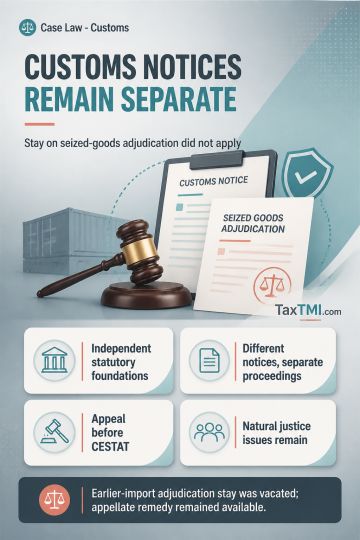
Independent show-cause notices remain separate proceedings, while customs adjudication challenges should ordinarily follow the statutory appellate rem...
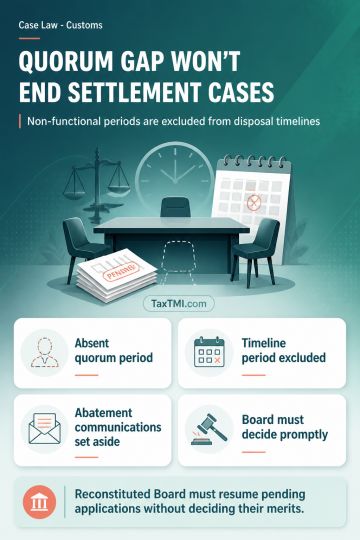
Institutional incapacity in customs settlement proceedings excludes non-functional quorum periods from statutory disposal timelines, preventing automa...
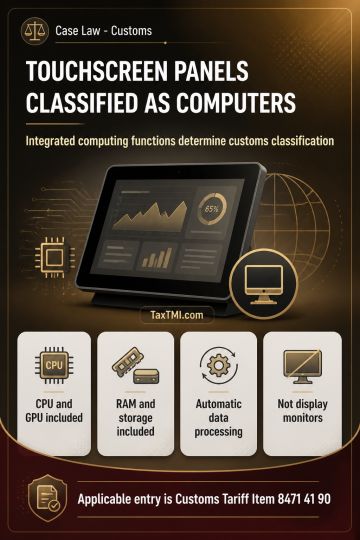
Interactive touchscreen panels with integrated computing functions fall under automatic data-processing machines rather than display monitors for cust...
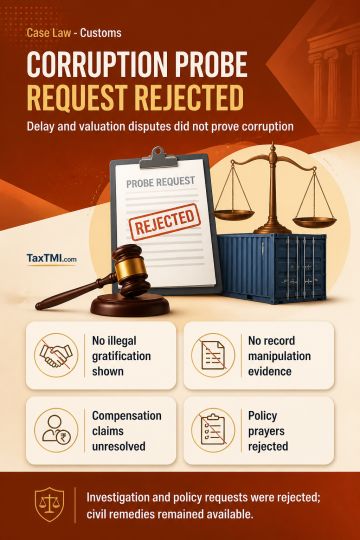
Ex parte injunction service requirements were substantially met, while civil recovery and SFIO investigation into provident fund defalcation continued...
ITAT ruled favorably on multiple issues for the banking assessee. The tribunal allowed deduction under s.36(1)(viia) for NPA provisions, holding them equivalent to provisions for bad and doubtful debts. For s.14A disallowance, matter was remanded to examine administrative expenses allocation despite interest-free funds exceeding investments. Deduction under s.36(1)(vii) was permitted following prior precedent. RBI penalty payment was deemed allowable under s.37 as not being for legal infraction. Interest on Innovative Perpetual Debt Instruments (IPDI) qualified for deduction under s.36(1)(iii), recognizing these hybrid instruments as legitimate business borrowings despite their perpetual nature and discretionary payout features. The ruling primarily followed established banking sector precedents and emphasized substance over form.
ITAT ruled favorably on multiple issues for the banking assessee. The tribunal allowed deduction under s.36(1)(viia) for NPA provisions, holding them equivalent to provisions for bad and doubtful debts. For s.14A disallowance, matter was remanded to examine administrative expenses allocation despite interest-free funds exceeding investments. Deduction under s.36(1)(vii) was permitted following prior precedent. RBI penalty payment was deemed allowable under s.37 as not being for legal infraction. Interest on Innovative Perpetual Debt Instruments (IPDI) qualified for deduction under s.36(1)(iii), recognizing these hybrid instruments as legitimate business borrowings despite their perpetual nature and discretionary payout features. The ruling primarily followed established banking sector precedents and emphasized substance over form.
Note: It is a system-generated summary and is for quick reference only.
 TaxTMI
 of 4801













 Join Channel


 TaxTMI