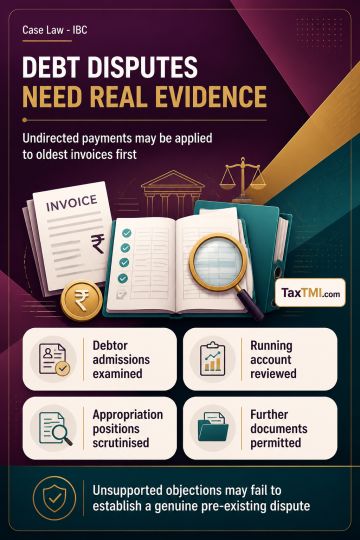
Pre-existing operational debt disputes require genuine evidence, while undirected running-account payments may be appropriated on a first-in-first-out...
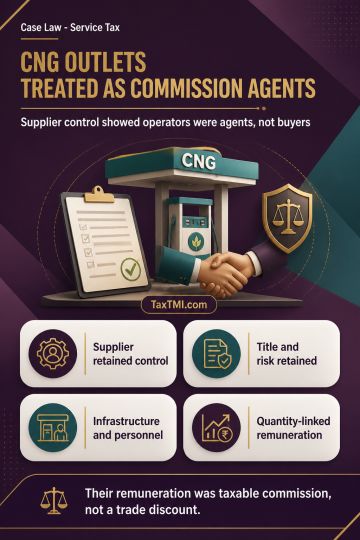
Agency in CNG distribution makes outlet operators commission agents, rendering taxable Business Auxiliary Service rather than purchasing goods for res...
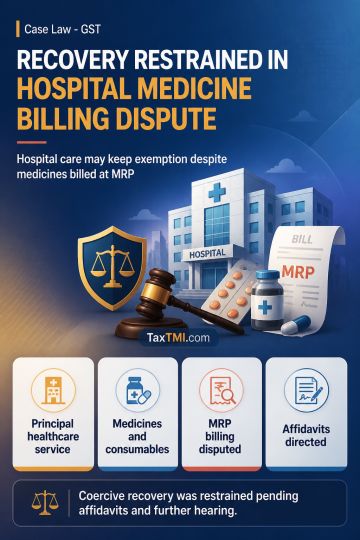
Composite inpatient healthcare supply may retain exemption despite MRP medicine billing, while separate taxable sale characterisation remains disputed...
HC held that both appellants must be given opportunity to cross-examine witness Mr. B under Section 138(B) of Customs Act, addressing discriminatory treatment by CESTAT which upheld penalties against one appellant while adopting opposite approach for similarly situated co-appellant. While cross-examination is not an unfettered right in all customs proceedings, principles of natural justice require it when witness statements form basis of penalties under Sections 112 and 114A. Court directed single-day cross-examination with possibility of one extension, after which authority shall adjudicate matter per law. Court emphasized that information from statutory authorities doesn't automatically warrant cross-examination but circumstances of this case necessitated equal treatment of both appellants regarding examination rights.
HC held that both appellants must be given opportunity to cross-examine witness Mr. B under Section 138(B) of Customs Act, addressing discriminatory treatment by CESTAT which upheld penalties against one appellant while adopting opposite approach for similarly situated co-appellant. While cross-examination is not an unfettered right in all customs proceedings, principles of natural justice require it when witness statements form basis of penalties under Sections 112 and 114A. Court directed single-day cross-examination with possibility of one extension, after which authority shall adjudicate matter per law. Court emphasized that information from statutory authorities doesn't automatically warrant cross-examination but circumstances of this case necessitated equal treatment of both appellants regarding examination rights.
Note: It is a system-generated summary and is for quick reference only.
 TaxTMI
 of 4801





 Join Channel


 TaxTMI