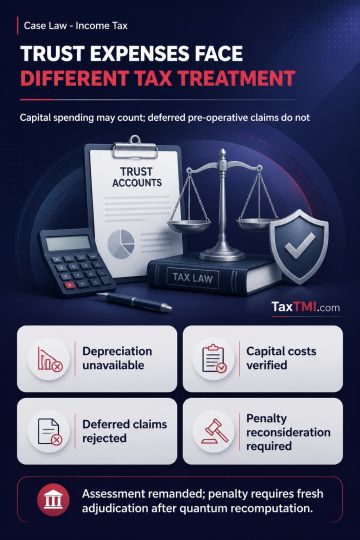
Charitable trust income application permits verified capital expenditure but rejects deferred pre-operative claims and requires reconsideration of con...
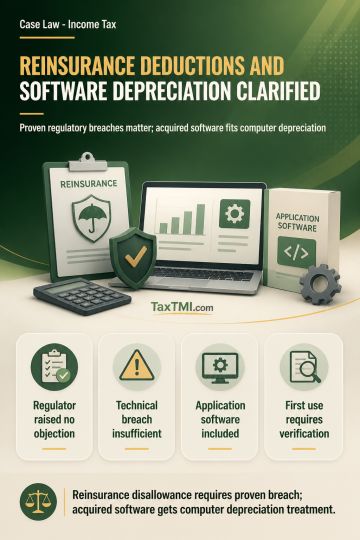
Reinsurance premium deductions require established regulatory breaches, while independently acquired software qualifies within the computer depreciati...
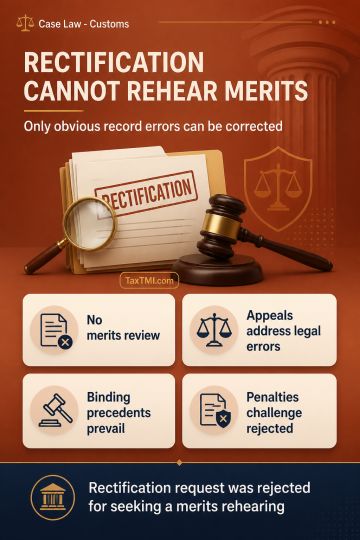
Rectification of mistake remains limited to self-evident record errors, preventing merits review through miscellaneous applications and preserving fin...
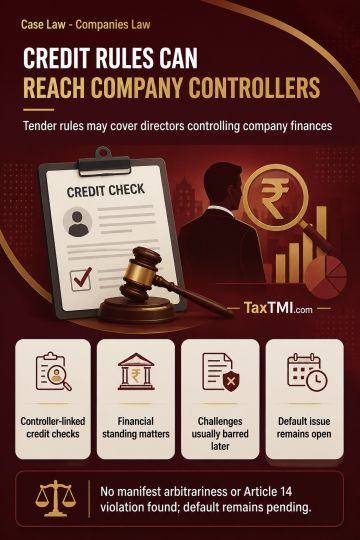
Tender creditworthiness conditions may extend to de facto Promoter Directors, with post-participation challenges generally barred absent arbitrariness...
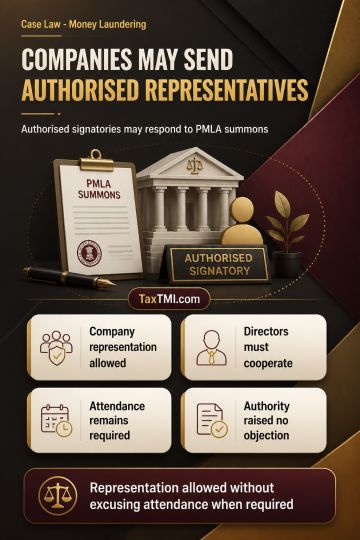
Corporate representation in PMLA summons proceedings permitted through an authorised signatory, subject to directors' continuing cooperation and atten...
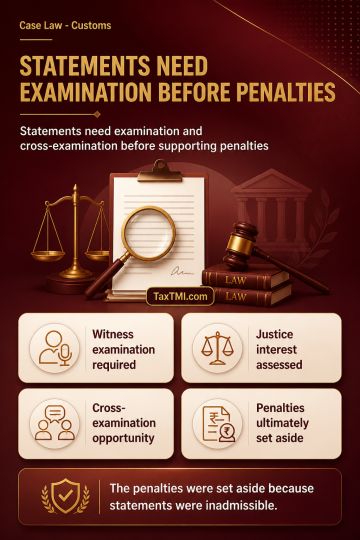
HC held that both appellants must be given opportunity to cross-examine witness Mr. B under Section 138(B) of Customs Act, addressing discriminatory treatment by CESTAT which upheld penalties against one appellant while adopting opposite approach for similarly situated co-appellant. While cross-examination is not an unfettered right in all customs proceedings, principles of natural justice require it when witness statements form basis of penalties under Sections 112 and 114A. Court directed single-day cross-examination with possibility of one extension, after which authority shall adjudicate matter per law. Court emphasized that information from statutory authorities doesn't automatically warrant cross-examination but circumstances of this case necessitated equal treatment of both appellants regarding examination rights.
HC held that both appellants must be given opportunity to cross-examine witness Mr. B under Section 138(B) of Customs Act, addressing discriminatory treatment by CESTAT which upheld penalties against one appellant while adopting opposite approach for similarly situated co-appellant. While cross-examination is not an unfettered right in all customs proceedings, principles of natural justice require it when witness statements form basis of penalties under Sections 112 and 114A. Court directed single-day cross-examination with possibility of one extension, after which authority shall adjudicate matter per law. Court emphasized that information from statutory authorities doesn't automatically warrant cross-examination but circumstances of this case necessitated equal treatment of both appellants regarding examination rights.
Note: It is a system-generated summary and is for quick reference only.
 TaxTMI
 of 4800




 Join Channel


 TaxTMI
