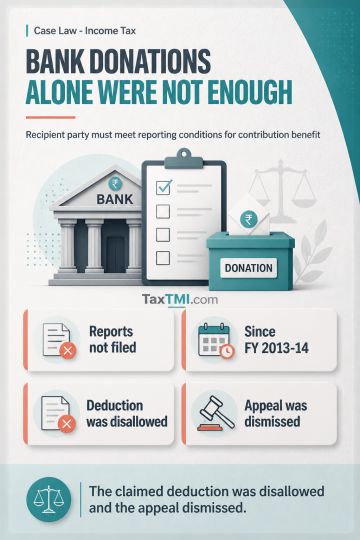
Political contribution deductions require recipient party compliance with contribution-reporting conditions; banking-channel donations alone do not qu...
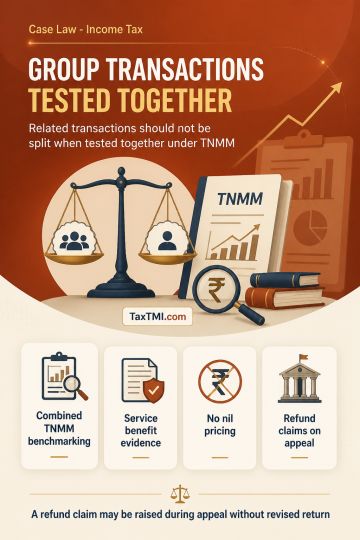
Aggregation under TNMM prevents selective testing of intra-group services without comparable uncontrolled transactions, while appellate additional cla...
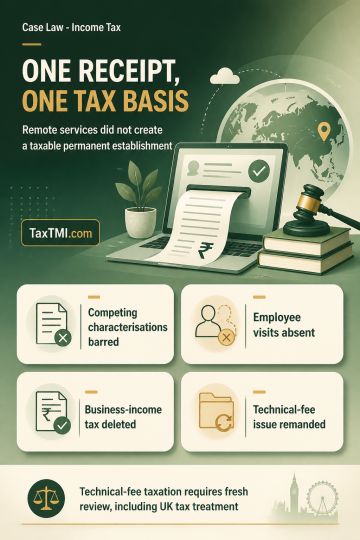
Protective assessment cannot duplicate identical receipts under competing characterisations; remote services did not establish a taxable permanent est...
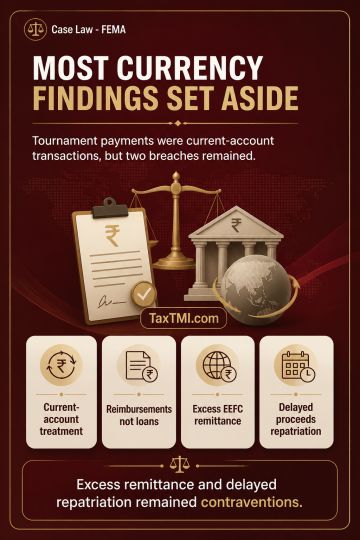
Current account treatment of overseas tournament services removed most FEMA findings, but excess EEFC remittance and delayed repatriation remained bre...
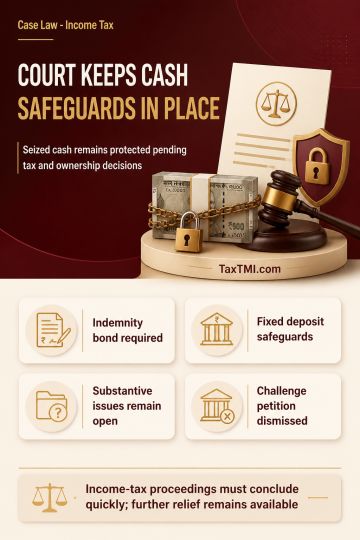
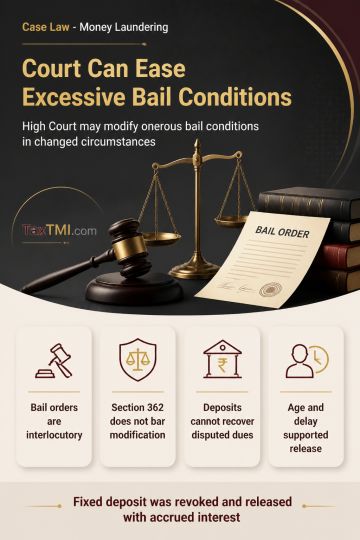
Modification of bail conditions remains available through inherent jurisdiction where onerous deposits undermine justice and cannot recover disputed d...
HC held that both appellants must be given opportunity to cross-examine witness Mr. B under Section 138(B) of Customs Act, addressing discriminatory treatment by CESTAT which upheld penalties against one appellant while adopting opposite approach for similarly situated co-appellant. While cross-examination is not an unfettered right in all customs proceedings, principles of natural justice require it when witness statements form basis of penalties under Sections 112 and 114A. Court directed single-day cross-examination with possibility of one extension, after which authority shall adjudicate matter per law. Court emphasized that information from statutory authorities doesn't automatically warrant cross-examination but circumstances of this case necessitated equal treatment of both appellants regarding examination rights.
HC held that both appellants must be given opportunity to cross-examine witness Mr. B under Section 138(B) of Customs Act, addressing discriminatory treatment by CESTAT which upheld penalties against one appellant while adopting opposite approach for similarly situated co-appellant. While cross-examination is not an unfettered right in all customs proceedings, principles of natural justice require it when witness statements form basis of penalties under Sections 112 and 114A. Court directed single-day cross-examination with possibility of one extension, after which authority shall adjudicate matter per law. Court emphasized that information from statutory authorities doesn't automatically warrant cross-examination but circumstances of this case necessitated equal treatment of both appellants regarding examination rights.
Note: It is a system-generated summary and is for quick reference only.
 TaxTMI
 of 4796




 Join Channel


 TaxTMI
