Transfer pricing and tax deductions upheld on established principles, while employee contributions and warranty provisions returned for fresh examinat...
Captive transfer pricing relies on industrial consumer tariffs, while genuine quotations can benchmark effluent treatment transfers under the Other Me...
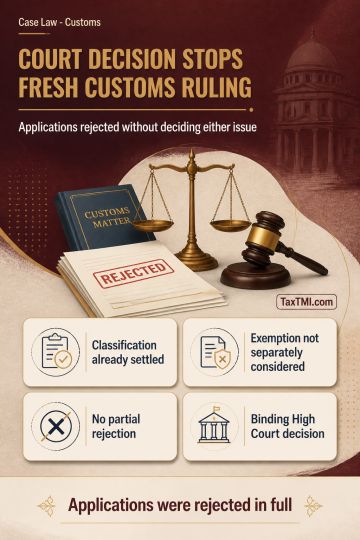
Specific tariff classification for ophthalmic instruments and extended limitation principles determine the treatment of duty demands, confiscation, an...
Integrated golf function determines classification, placing launch monitors and simulators under other golf equipment rather than measuring instrument...
Public servant status under anti-corruption law extends to recognised stock exchange leadership; constitutional and sanction challenges do not succeed...
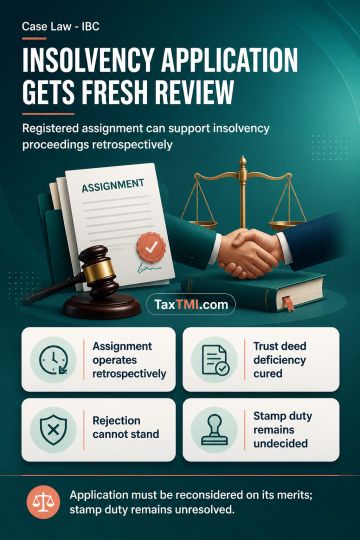
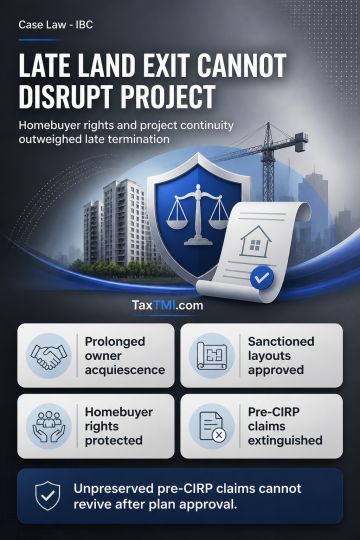
Acquiescence, homebuyer protection and clean-slate resolution principles prevent landowners from disrupting an integrated project through late termina...
HC affirmed penalties under Section 74 of CGST Act against petitioner for wilful suppression of facts through non-filing of monthly returns and non-payment of GST. Despite petitioner's claim that non-payment resulted from client's default, evidence showed partial payments were received from the client. Court held that Section 74 penalties require proof of intentional evasion through fraud, wilful misstatement, or deliberate suppression - mere non-payment is insufficient. Here, petitioner's conduct demonstrated wilful suppression as defined in Explanation-2, warranting penalties. Court rejected argument that Section 74 notice was invalid because tax was paid before notice issuance, noting interest under Section 50 remained unpaid. Additional consequential penalties were upheld.
HC affirmed penalties under Section 74 of CGST Act against petitioner for wilful suppression of facts through non-filing of monthly returns and non-payment of GST. Despite petitioner's claim that non-payment resulted from client's default, evidence showed partial payments were received from the client. Court held that Section 74 penalties require proof of intentional evasion through fraud, wilful misstatement, or deliberate suppression - mere non-payment is insufficient. Here, petitioner's conduct demonstrated wilful suppression as defined in Explanation-2, warranting penalties. Court rejected argument that Section 74 notice was invalid because tax was paid before notice issuance, noting interest under Section 50 remained unpaid. Additional consequential penalties were upheld.
Note: It is a system-generated summary and is for quick reference only.
 TaxTMI
 of 4805















 Join Channel


 TaxTMI