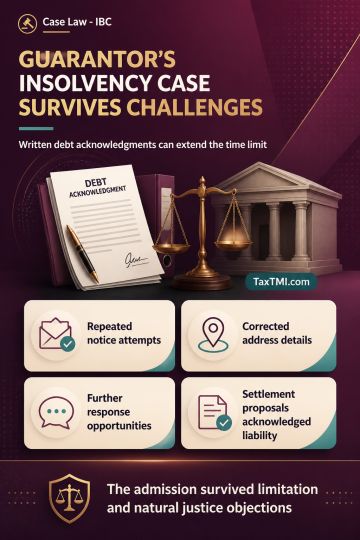
Service of notice and contractual debt acknowledgment preserved insolvency admission against a corporate guarantor despite limitation and natural just...
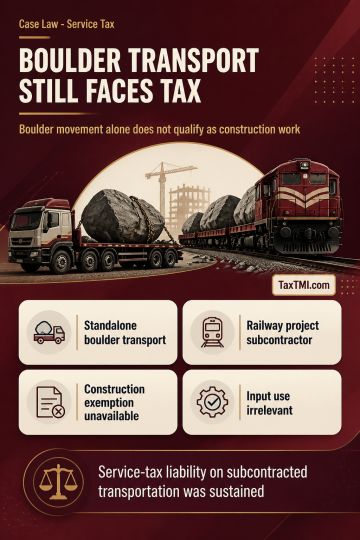
Original works exemption excludes standalone boulder transportation, leaving subcontracted railway-project transport services subject to service tax l...
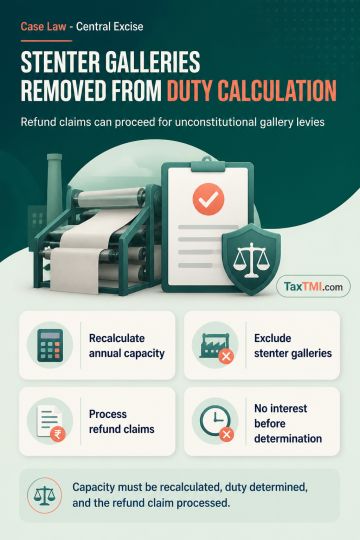
Annual production capacity determinations excluding stenter galleries support refunds for unconstitutional excise levies without an unjust-enrichment ...
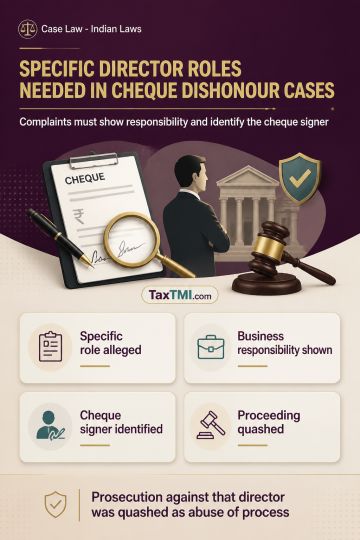
Vicarious liability for cheque dishonour requires specific allegations of responsibility and cheque signatory; generic director allegations cannot sus...
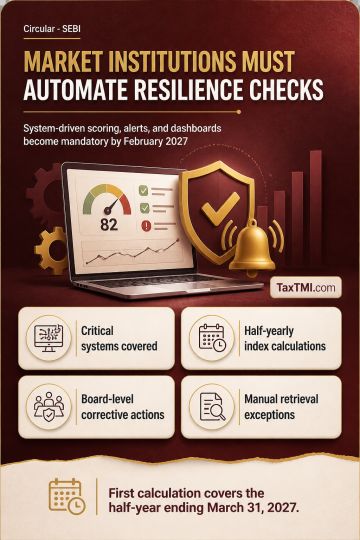
IT Resilience Index requires market infrastructure institutions to automate resilience scoring, early warnings, and continuous service-delivery monito...
CESTAT determined that providing infrastructure and support services to educational institutions like IIM and XLRI does not constitute commercial training and coaching services subject to service tax. The appellants' role was limited to facilitating classes through infrastructure maintenance, marketing programs, and examination support, while the institutions maintained control over pedagogy, course design, and certification. Unlike typical coaching centers, appellants were integrated with degree-awarding institutions through revenue-sharing agreements. The tribunal held these were auxiliary educational support services qualifying for exemption, not commercial coaching services. The Commissioner's contradictory findings regarding service classification were rejected, and the appeal was allowed on grounds that infrastructure support to recognized educational institutions falls under exempt services.
CESTAT determined that providing infrastructure and support services to educational institutions like IIM and XLRI does not constitute commercial training and coaching services subject to service tax. The appellants' role was limited to facilitating classes through infrastructure maintenance, marketing programs, and examination support, while the institutions maintained control over pedagogy, course design, and certification. Unlike typical coaching centers, appellants were integrated with degree-awarding institutions through revenue-sharing agreements. The tribunal held these were auxiliary educational support services qualifying for exemption, not commercial coaching services. The Commissioner's contradictory findings regarding service classification were rejected, and the appeal was allowed on grounds that infrastructure support to recognized educational institutions falls under exempt services.
Note: It is a system-generated summary and is for quick reference only.
 TaxTMI
  TaxTMI
 of 4828






 Join Channel