Mutual fund maturity rules require proper rollover, redemption, disclosure, and due diligence; investor gains cannot excuse regulatory breaches or pen...
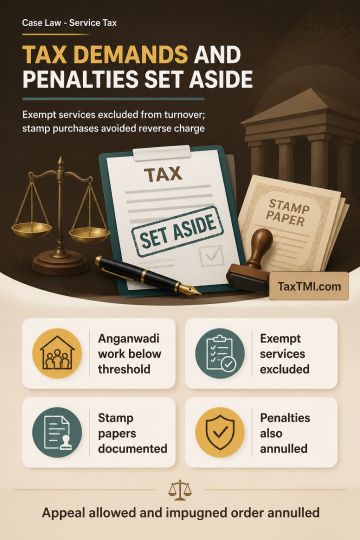
Threshold exemption excludes exempt services, while stamp-paper purchases avoid reverse charge; consequential service tax penalties were also set asid...
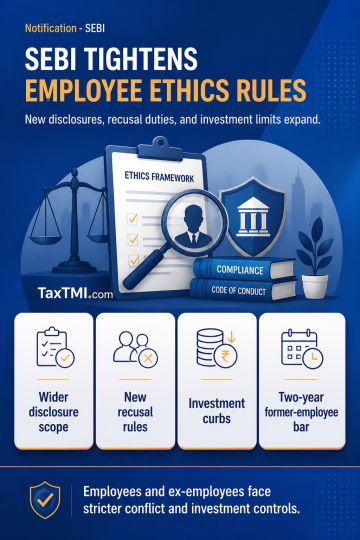
Employee conflict disclosures and investment restrictions expand with new recusal duties, post-employment limits, and compliance reporting requirement...
HC denied bail in GST fraud case where petitioner allegedly availed fraudulent Input Tax Credit worth 10.67 crores through fictitious firms. Evidence included seized fake rubber stamps, fabricated E-bills, and transport company testimony confirming route discrepancies. Court distinguished this case from Prabir Purkayastha and Pankaj Bansal precedents regarding arrest procedures under PMLA, noting different statutory requirements under GST Act. Following Y.S. Jaganmohan Reddy principle that economic offenses warrant stringent treatment, HC found prima facie evidence of deliberate fraud through sham bills and non-existent firms sufficient to deny bail. Court emphasized gravity of economic offenses affecting national economic fabric.
HC denied bail in GST fraud case where petitioner allegedly availed fraudulent Input Tax Credit worth 10.67 crores through fictitious firms. Evidence included seized fake rubber stamps, fabricated E-bills, and transport company testimony confirming route discrepancies. Court distinguished this case from Prabir Purkayastha and Pankaj Bansal precedents regarding arrest procedures under PMLA, noting different statutory requirements under GST Act. Following Y.S. Jaganmohan Reddy principle that economic offenses warrant stringent treatment, HC found prima facie evidence of deliberate fraud through sham bills and non-existent firms sufficient to deny bail. Court emphasized gravity of economic offenses affecting national economic fabric.
Note: It is a system-generated summary and is for quick reference only.
 TaxTMI
 of 4805





 Join Channel


 TaxTMI