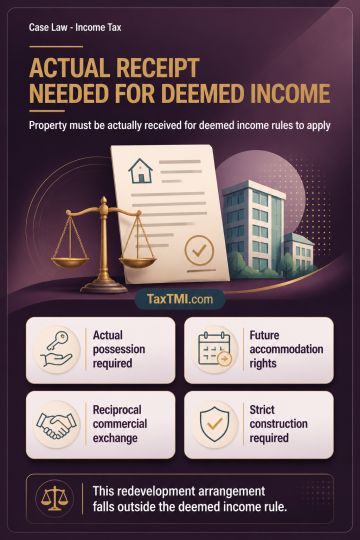
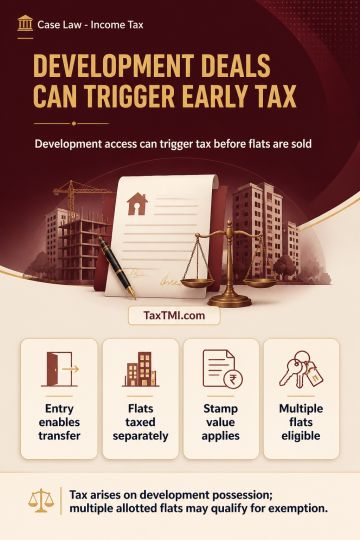
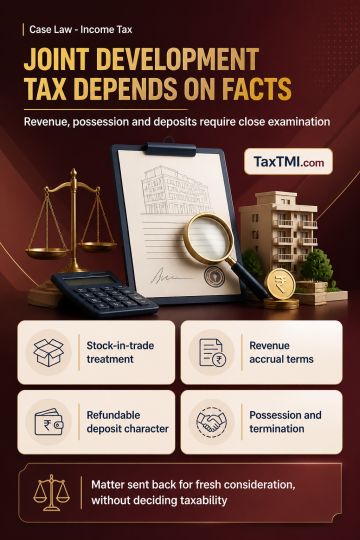
Receipt of immovable property requires actual possession or enjoyment; redevelopment allotments exchanged for tenancy rights fall outside deemed incom...
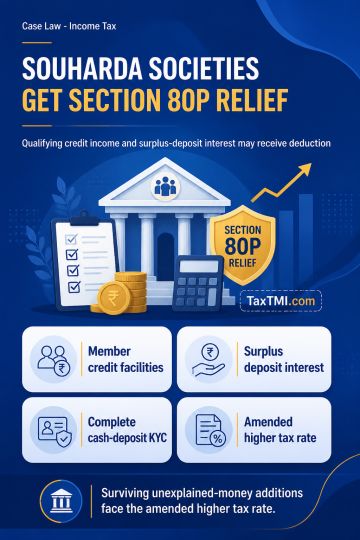
Section 80P deduction covers Souharda credit societies, including qualifying surplus-deposit interest, subject to member KYC verification for cash dep...
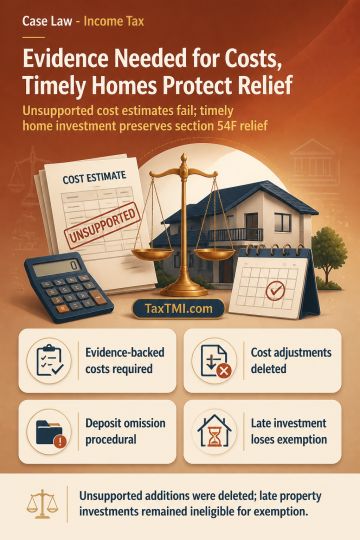
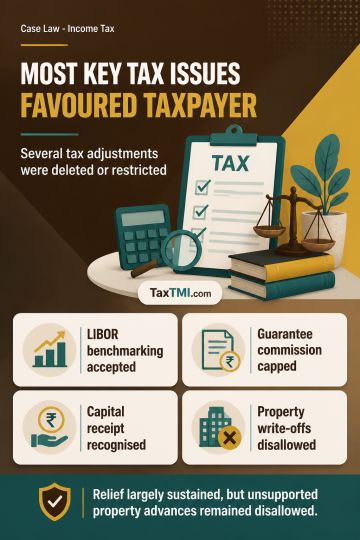
Transfer-pricing benchmarking and capital-receipt principles sustained taxpayer relief, while unsupported property-advance write-offs remained disallo...
HC denied bail in GST fraud case where petitioner allegedly availed fraudulent Input Tax Credit worth 10.67 crores through fictitious firms. Evidence included seized fake rubber stamps, fabricated E-bills, and transport company testimony confirming route discrepancies. Court distinguished this case from Prabir Purkayastha and Pankaj Bansal precedents regarding arrest procedures under PMLA, noting different statutory requirements under GST Act. Following Y.S. Jaganmohan Reddy principle that economic offenses warrant stringent treatment, HC found prima facie evidence of deliberate fraud through sham bills and non-existent firms sufficient to deny bail. Court emphasized gravity of economic offenses affecting national economic fabric.
HC denied bail in GST fraud case where petitioner allegedly availed fraudulent Input Tax Credit worth 10.67 crores through fictitious firms. Evidence included seized fake rubber stamps, fabricated E-bills, and transport company testimony confirming route discrepancies. Court distinguished this case from Prabir Purkayastha and Pankaj Bansal precedents regarding arrest procedures under PMLA, noting different statutory requirements under GST Act. Following Y.S. Jaganmohan Reddy principle that economic offenses warrant stringent treatment, HC found prima facie evidence of deliberate fraud through sham bills and non-existent firms sufficient to deny bail. Court emphasized gravity of economic offenses affecting national economic fabric.
Note: It is a system-generated summary and is for quick reference only.
 TaxTMI
 of 4805




 Join Channel


 TaxTMI
