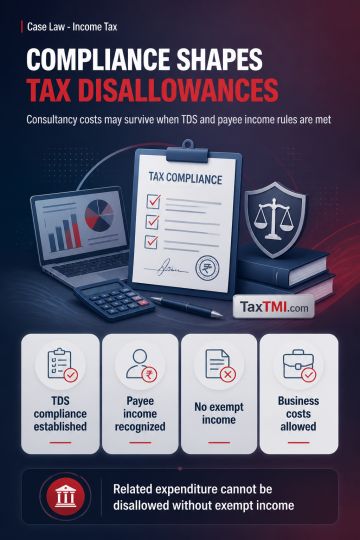
Tax deduction compliance and payee income recognition govern consultancy disallowance, while no exempt income prevents related expenditure disallowanc...
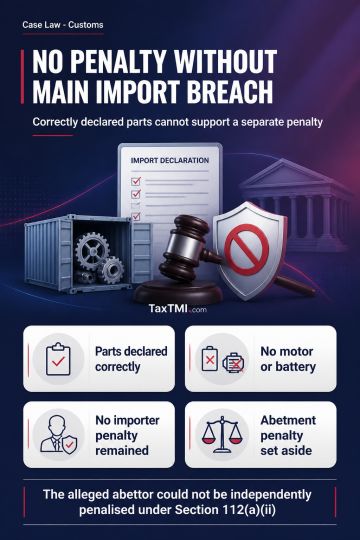
Derivative abetment liability fails when correctly declared imported components establish no underlying improper importation by the principal importer...
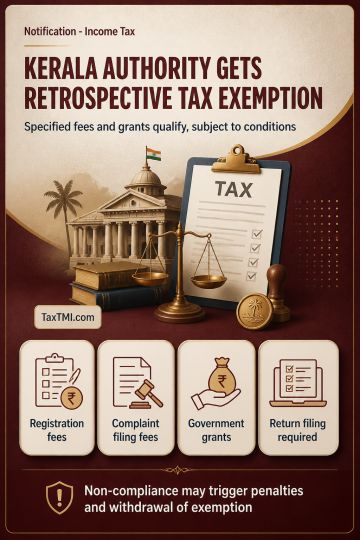
Tax exemption for regulatory authority income applies retrospectively, subject to non-commercial activity, unchanged income sources, and return filing...
HC denied bail in GST fraud case where petitioner allegedly availed fraudulent Input Tax Credit worth 10.67 crores through fictitious firms. Evidence included seized fake rubber stamps, fabricated E-bills, and transport company testimony confirming route discrepancies. Court distinguished this case from Prabir Purkayastha and Pankaj Bansal precedents regarding arrest procedures under PMLA, noting different statutory requirements under GST Act. Following Y.S. Jaganmohan Reddy principle that economic offenses warrant stringent treatment, HC found prima facie evidence of deliberate fraud through sham bills and non-existent firms sufficient to deny bail. Court emphasized gravity of economic offenses affecting national economic fabric.
HC denied bail in GST fraud case where petitioner allegedly availed fraudulent Input Tax Credit worth 10.67 crores through fictitious firms. Evidence included seized fake rubber stamps, fabricated E-bills, and transport company testimony confirming route discrepancies. Court distinguished this case from Prabir Purkayastha and Pankaj Bansal precedents regarding arrest procedures under PMLA, noting different statutory requirements under GST Act. Following Y.S. Jaganmohan Reddy principle that economic offenses warrant stringent treatment, HC found prima facie evidence of deliberate fraud through sham bills and non-existent firms sufficient to deny bail. Court emphasized gravity of economic offenses affecting national economic fabric.
Note: It is a system-generated summary and is for quick reference only.
 TaxTMI
 of 4803




 Join Channel


 TaxTMI