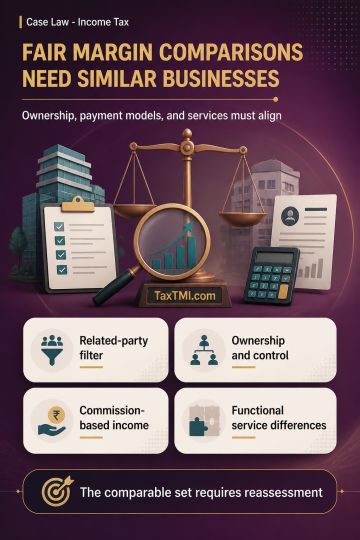
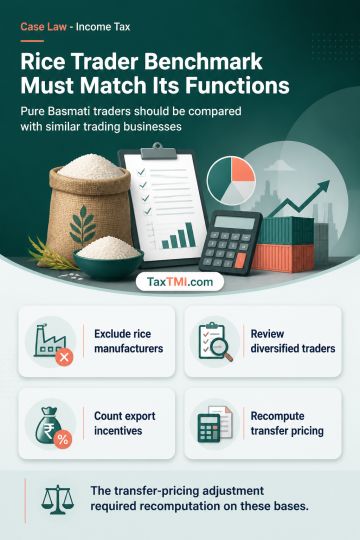
TNMM functional comparability requires excluding rice manufacturers from a pure Basmati rice trader's benchmark and recognising operating export recei...
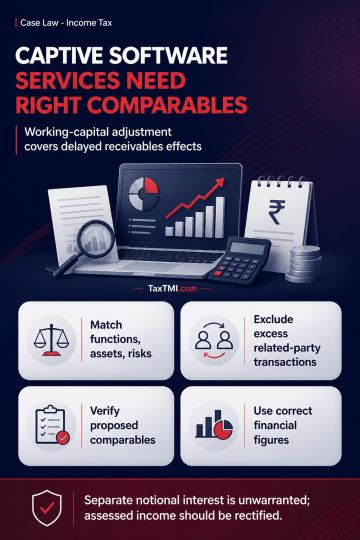
Working-capital adjustment subsumes delayed-receivable effects in TNMM benchmarking of captive software-development services, avoiding separate notion...
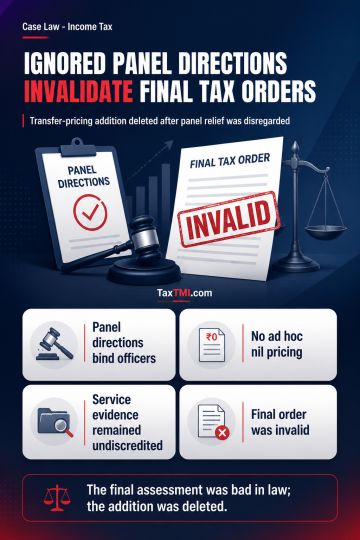
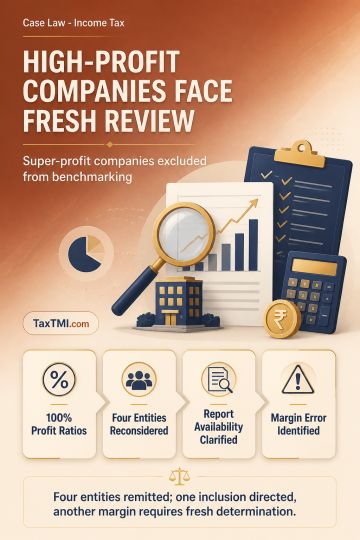
Transfer-pricing comparability requires exclusion of financially illogical super-profit comparables and correction of unsupported annual-report and ma...
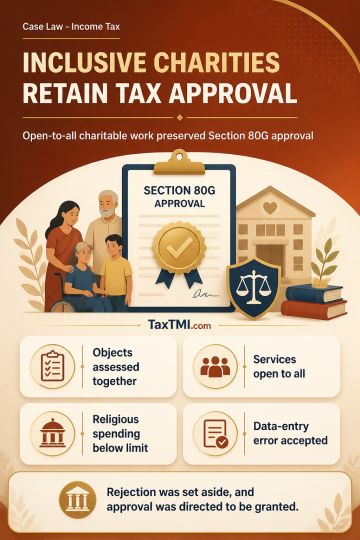
Charitable character assessment preserves Section 80G approval despite inclusive spiritual teachings and incidental religious expenditure within the s...
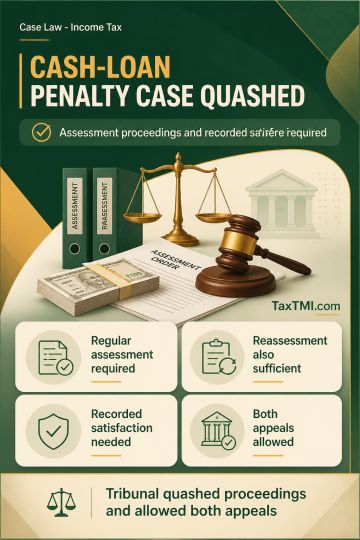
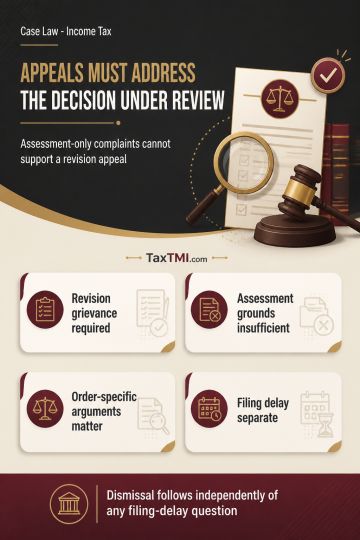
Penalty proceedings for cash-loan acceptance require assessment proceedings and recorded Assessing Officer satisfaction; absent these, the proceedings...
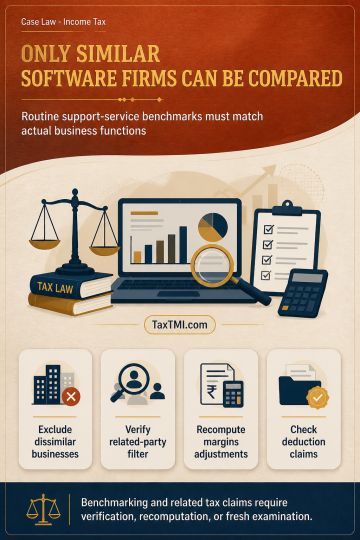
Functional comparability governs software-service benchmarking: dissimilar companies are excluded, while related-party filters, margins and working-ca...
CESTAT ruled that service tax demand under Business Support Service category was unsustainable for cost-sharing arrangements among group companies, as no service element existed per the agreement dated 01-04-2008. The tribunal rejected service tax demand based on differential values between Profit & Loss Account and ST-3 returns, noting insufficient adjudication findings. The extended period limitation for CENVAT credit recovery was invalidated due to absence of suppression or willful misstatement allegations. Following SC precedent on cost-sharing arrangements, CESTAT held that mere expense distribution among group entities doesn't constitute taxable service. The impugned order was set aside and appeal allowed, establishing that cost-sharing without service component isn't subject to service tax levy.
CESTAT ruled that service tax demand under Business Support Service category was unsustainable for cost-sharing arrangements among group companies, as no service element existed per the agreement dated 01-04-2008. The tribunal rejected service tax demand based on differential values between Profit & Loss Account and ST-3 returns, noting insufficient adjudication findings. The extended period limitation for CENVAT credit recovery was invalidated due to absence of suppression or willful misstatement allegations. Following SC precedent on cost-sharing arrangements, CESTAT held that mere expense distribution among group entities doesn't constitute taxable service. The impugned order was set aside and appeal allowed, establishing that cost-sharing without service component isn't subject to service tax levy.
Note: It is a system-generated summary and is for quick reference only.
 TaxTMI
  TaxTMI
 of 4830



 Join Channel


