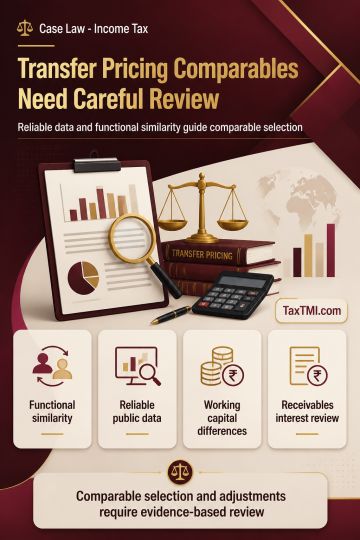
Transfer pricing comparability requires functional alignment, reliable financial data, and careful review of working capital and receivables adjustmen...
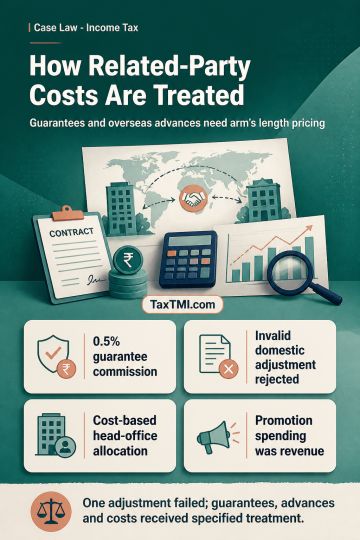
Transfer pricing rules require benchmarking corporate guarantees and associated-enterprise advances, while invalid domestic-transaction adjustments ca...
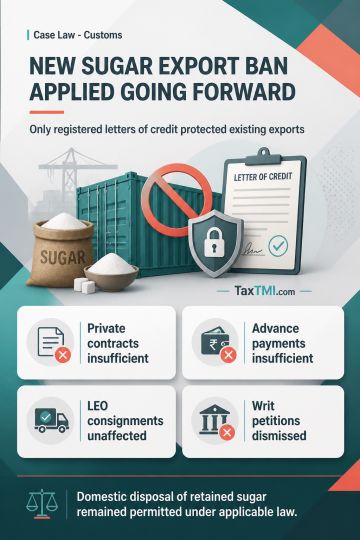
Prospective sugar export prohibition required registered letters of credit; private contracts and export quotas created no enforceable continuation ri...
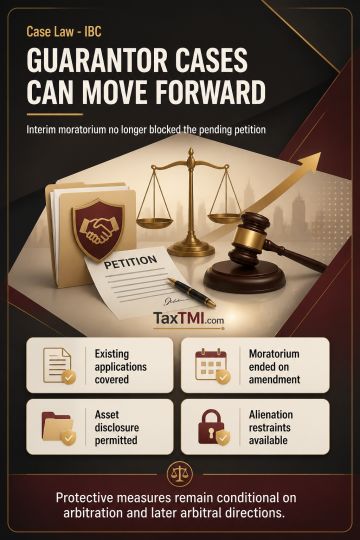
Retroactive interim-moratorium exclusion permits protective asset disclosure and preservation measures against personal guarantors pending arbitration...
The Central Government has waived excess late fees u/s 47 of CGST Act for registered persons who failed to file GSTR-9C reconciliation statements alongside GSTR-9 annual returns for FY 2017-18 through 2022-23. This waiver applies to late fees exceeding the prescribed amount u/s 47, provided the pending GSTR-9C is filed by March 31, 2025. The notification, issued u/s 128 of CGST Act upon GST Council's recommendation, specifically excludes refunds of any late fees already paid for delayed GSTR-9C submissions during these financial years. The waiver aims to facilitate compliance for taxpayers who have outstanding reconciliation statement obligations.
The Central Government has waived excess late fees u/s 47 of CGST Act for registered persons who failed to file GSTR-9C reconciliation statements alongside GSTR-9 annual returns for FY 2017-18 through 2022-23. This waiver applies to late fees exceeding the prescribed amount u/s 47, provided the pending GSTR-9C is filed by March 31, 2025. The notification, issued u/s 128 of CGST Act upon GST Council's recommendation, specifically excludes refunds of any late fees already paid for delayed GSTR-9C submissions during these financial years. The waiver aims to facilitate compliance for taxpayers who have outstanding reconciliation statement obligations.
Note: It is a system-generated summary and is for quick reference only.
 TaxTMI
 of 4805



 Join Channel


 TaxTMI