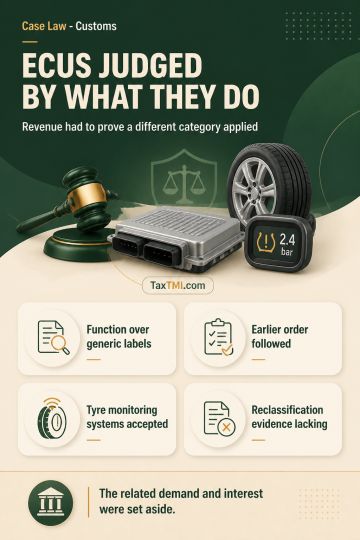
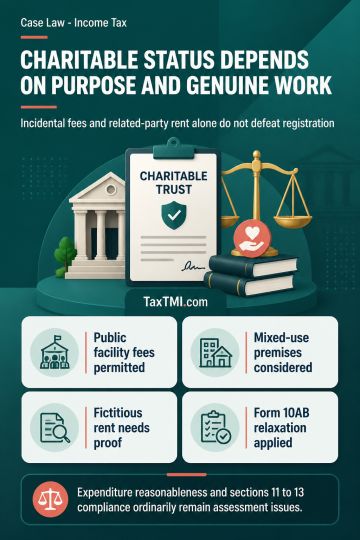
Charitable registration turns on predominant purpose and genuine activities, while incidental fees and related-party rent require supporting adverse m...
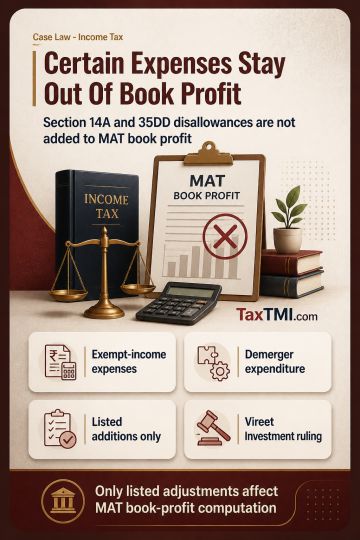
MAT book-profit adjustments exclude disallowances for exempt-income expenditure and demerger expenditure unless expressly listed under the statutory c...
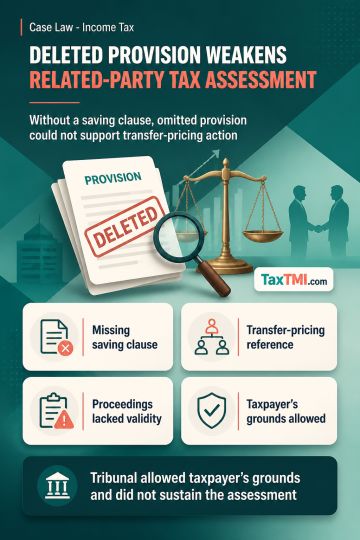
Omitted specified domestic transaction provision invalidates related-party expenditure transfer-pricing references and assessments based on consequent...
The HC held that invoking the extended period of limitation u/s 74 of the CGST Act is a jurisdictional aspect in the present case. The petitioner has been paying GST at 5% under Entry No. 181-A for the product in question since 2017, while paying higher GST at 12% for different products. As Entry No. 181-A is not different from the similarly worded sub-heading 3003.31 of the Central Excise Tariff Act, 1985, which has been repeatedly interpreted contrary to the allegations in the show cause notice, the aspect of invoking the extended period requires consideration along with the binding nature of the GST Council's deliberations. The HC found the issues raised to be jurisdictional and issued notice for further consideration.
The HC held that invoking the extended period of limitation u/s 74 of the CGST Act is a jurisdictional aspect in the present case. The petitioner has been paying GST at 5% under Entry No. 181-A for the product in question since 2017, while paying higher GST at 12% for different products. As Entry No. 181-A is not different from the similarly worded sub-heading 3003.31 of the Central Excise Tariff Act, 1985, which has been repeatedly interpreted contrary to the allegations in the show cause notice, the aspect of invoking the extended period requires consideration along with the binding nature of the GST Council's deliberations. The HC found the issues raised to be jurisdictional and issued notice for further consideration.
Note: It is a system-generated summary and is for quick reference only.
 TaxTMI
 of 4801



 Join Channel


 TaxTMI