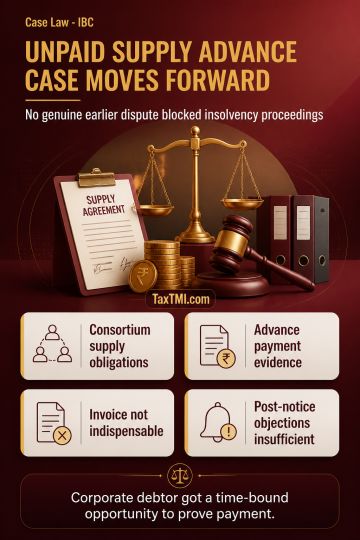
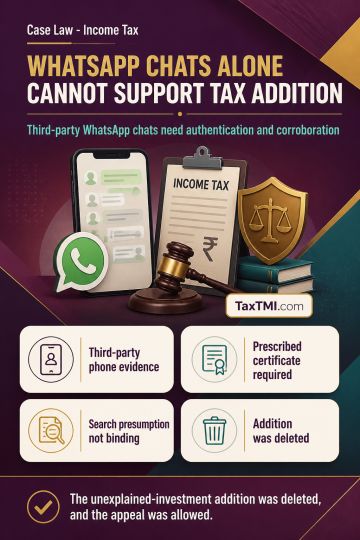
Electronic WhatsApp evidence without authentication or independent corroboration cannot sustain an unexplained-investment addition based on third-part...
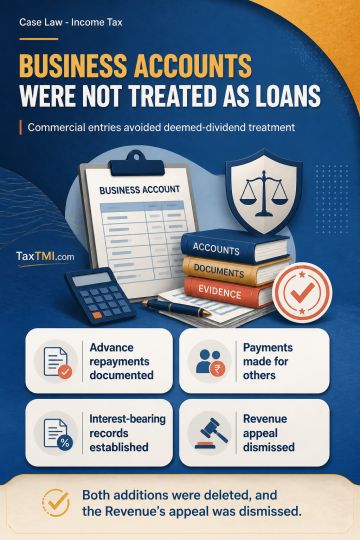
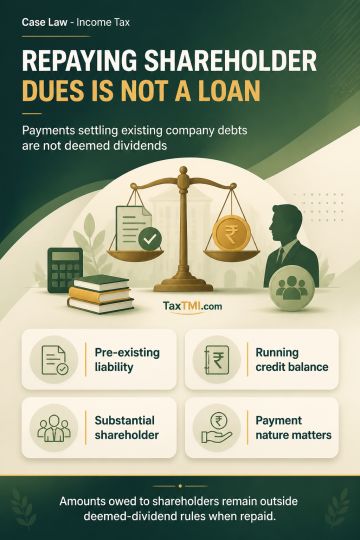
Mutual current-account transactions excluded from deemed dividend treatment where no fresh borrowing arose; unsupported unsecured-loan addition also f...
The SC held that mere non-disclosure of receipts in service tax returns doesn't mean intent to evade tax payment. To invoke extended limitation period u/s 73(1) proviso of Finance Act 1994, deliberate and willful attempt to evade duty must be evident from assessee's conduct or records. Mere interpretation dispute doesn't justify extended period. Bona fide belief in non-liability, even if wrong, doesn't render it malafide. In self-assessment, assessee determines liability based on judgment; facts coming to light later doesn't prove evasion intent. The Department couldn't invoke extended period against the assessee for April 2008-March 2013 as no evasion intent was assigned. Appeal allowed.
The SC held that mere non-disclosure of receipts in service tax returns doesn't mean intent to evade tax payment. To invoke extended limitation period u/s 73(1) proviso of Finance Act 1994, deliberate and willful attempt to evade duty must be evident from assessee's conduct or records. Mere interpretation dispute doesn't justify extended period. Bona fide belief in non-liability, even if wrong, doesn't render it malafide. In self-assessment, assessee determines liability based on judgment; facts coming to light later doesn't prove evasion intent. The Department couldn't invoke extended period against the assessee for April 2008-March 2013 as no evasion intent was assigned. Appeal allowed.
Note: It is a system-generated summary and is for quick reference only.
 TaxTMI
  TaxTMI
 of 4828



 Join Channel