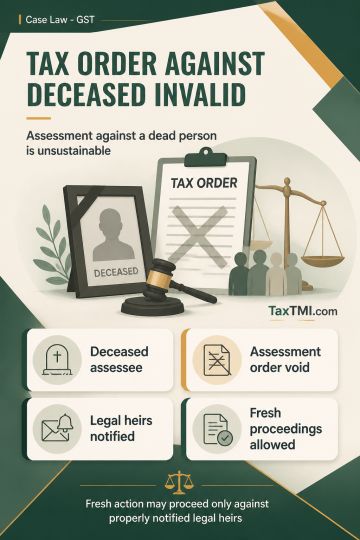
Mutual fund maturity rules require proper rollover, redemption, disclosure, and due diligence; investor gains cannot excuse regulatory breaches or pen...
Threshold exemption excludes exempt services, while stamp-paper purchases avoid reverse charge; consequential service tax penalties were also set asid...
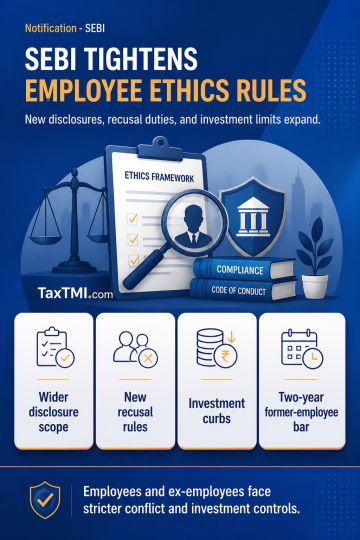
Employee conflict disclosures and investment restrictions expand with new recusal duties, post-employment limits, and compliance reporting requirement...
The SC held that the National Consumer Disputes Redressal Commission lacks jurisdiction to interfere with banking operations, which is the exclusive statutory domain of the RBI. It cannot fix a maximum ceiling rate of interest for banks to charge credit card holders or direct banks to charge interest not exceeding 30% p.a., in absence of RBI instructions. Charging interest rates as per RBI circulars/notifications, independent of a standard ceiling, does not constitute an unfair trade practice. The terms of a contract between parties cannot be judicially scrutinized unless arbitrary, discriminatory or mala fide. The impugned judgment interfered with contractual terms and the RBI's regulatory powers, hence was set aside.
The SC held that the National Consumer Disputes Redressal Commission lacks jurisdiction to interfere with banking operations, which is the exclusive statutory domain of the RBI. It cannot fix a maximum ceiling rate of interest for banks to charge credit card holders or direct banks to charge interest not exceeding 30% p.a., in absence of RBI instructions. Charging interest rates as per RBI circulars/notifications, independent of a standard ceiling, does not constitute an unfair trade practice. The terms of a contract between parties cannot be judicially scrutinized unless arbitrary, discriminatory or mala fide. The impugned judgment interfered with contractual terms and the RBI's regulatory powers, hence was set aside.
Note: It is a system-generated summary and is for quick reference only.
 TaxTMI
 of 4805









 Join Channel


 TaxTMI