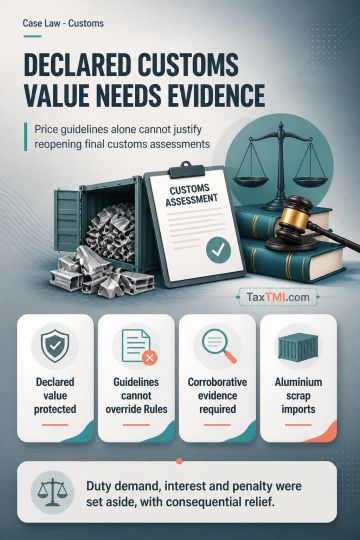
Transaction value cannot be rejected solely on non-statutory valuation guidelines without corroborative evidence supporting reassessment of final cust...
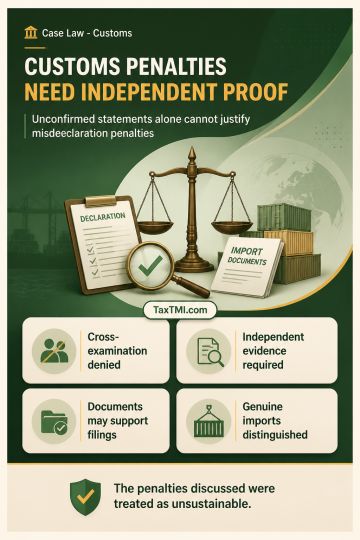
Cross-examination rights and corroborated evidence limit customs penalties for misdeclaration in genuine import transactions involving documented clea...
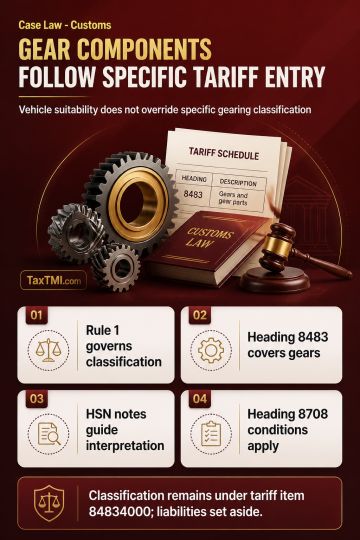
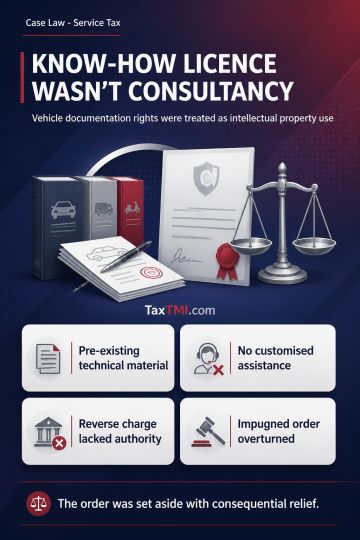
Tariff classification of vehicle gear components follows the specific gearing entry, displacing motor-vehicle parts classification and related liabili...
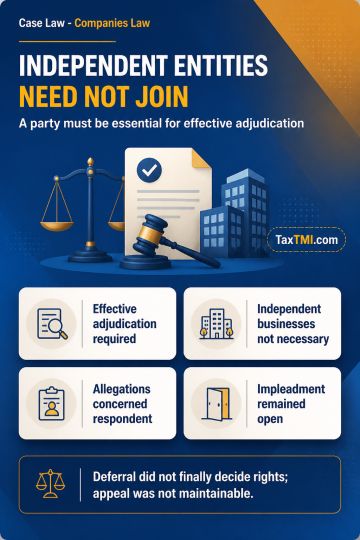
Necessary-party requirements limit impleadment of independent entities, while deferred consideration does not create an appealable adverse determinati...
Food supplement classification requires common parlance and authoritative tests, preventing treatment as proprietary Ayurvedic medicines without suppo...
The HC allowed the appeal, holding that the insertion of Section 5A(1A) in the Central Excise Act, 1944 is prospective, not clarificatory. Prior to the amendment, the appellant had the option to forego the exemption on final products and pay duty to claim CENVAT credit on inputs. However, post-amendment, manufacturers of exempted excisable goods are prohibited from paying duty, precluding them from claiming CENVAT credit. The Tribunal erred in upholding the demand of CENVAT credit where the appellant had paid duty on final products and utilized input credits.
The HC allowed the appeal, holding that the insertion of Section 5A(1A) in the Central Excise Act, 1944 is prospective, not clarificatory. Prior to the amendment, the appellant had the option to forego the exemption on final products and pay duty to claim CENVAT credit on inputs. However, post-amendment, manufacturers of exempted excisable goods are prohibited from paying duty, precluding them from claiming CENVAT credit. The Tribunal erred in upholding the demand of CENVAT credit where the appellant had paid duty on final products and utilized input credits.
Note: It is a system-generated summary and is for quick reference only.
 TaxTMI
  TaxTMI
 of 4814










 Join Channel