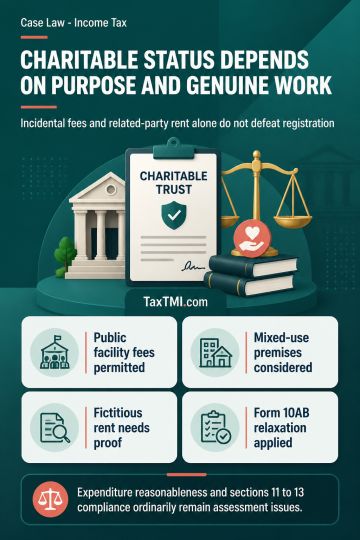
Charitable registration turns on predominant purpose and genuine activities, while incidental fees and related-party rent require supporting adverse m...
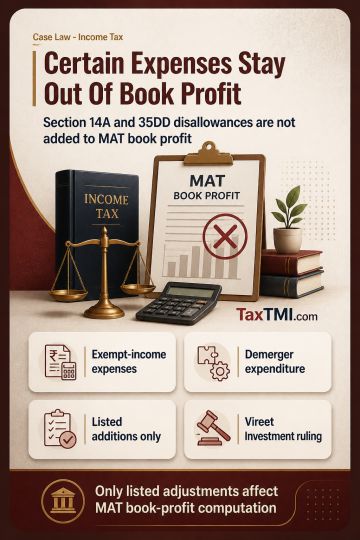
MAT book-profit adjustments exclude disallowances for exempt-income expenditure and demerger expenditure unless expressly listed under the statutory c...
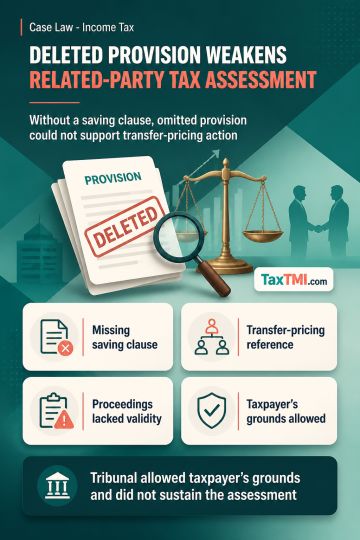
Omitted specified domestic transaction provision invalidates related-party expenditure transfer-pricing references and assessments based on consequent...
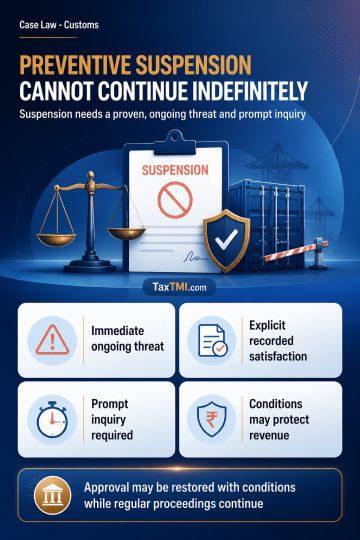
Preventive suspension requires an immediate continuing threat and cannot become indefinite without inquiry, fresh evidence, or proportionate safeguard...
The HC allowed the appeal, holding that the insertion of Section 5A(1A) in the Central Excise Act, 1944 is prospective, not clarificatory. Prior to the amendment, the appellant had the option to forego the exemption on final products and pay duty to claim CENVAT credit on inputs. However, post-amendment, manufacturers of exempted excisable goods are prohibited from paying duty, precluding them from claiming CENVAT credit. The Tribunal erred in upholding the demand of CENVAT credit where the appellant had paid duty on final products and utilized input credits.
The HC allowed the appeal, holding that the insertion of Section 5A(1A) in the Central Excise Act, 1944 is prospective, not clarificatory. Prior to the amendment, the appellant had the option to forego the exemption on final products and pay duty to claim CENVAT credit on inputs. However, post-amendment, manufacturers of exempted excisable goods are prohibited from paying duty, precluding them from claiming CENVAT credit. The Tribunal erred in upholding the demand of CENVAT credit where the appellant had paid duty on final products and utilized input credits.
Note: It is a system-generated summary and is for quick reference only.
 TaxTMI
  TaxTMI
 of 4809








 Join Channel


