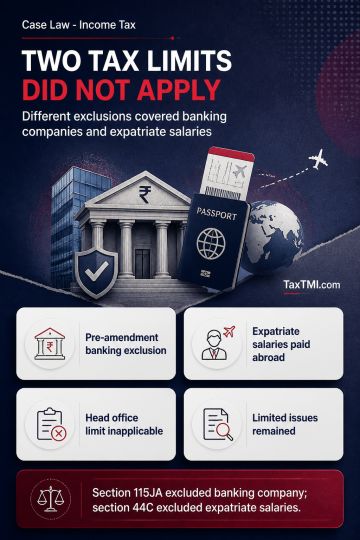
Minimum alternate tax exclusions for pre-amendment banking companies and expatriate Indian branch salaries remain outside head office expenditure limi...
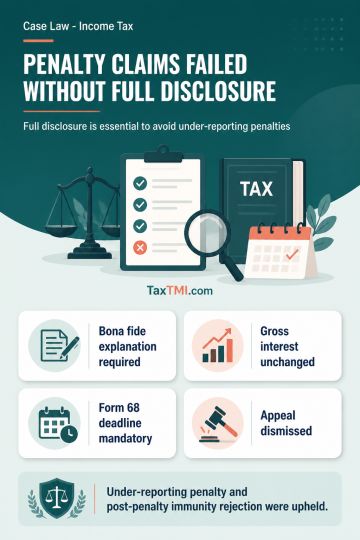
Bona fide disclosure requirements govern under-reporting penalties, and post-penalty immunity applications cannot secure available statutory protectio...
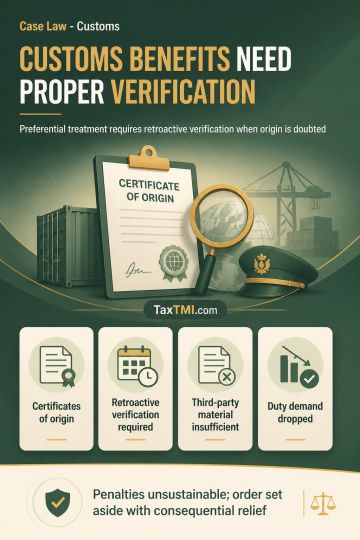
Certificate-of-origin verification procedure governs preferential customs benefits; denial without retroactive verification was set aside with consequ...
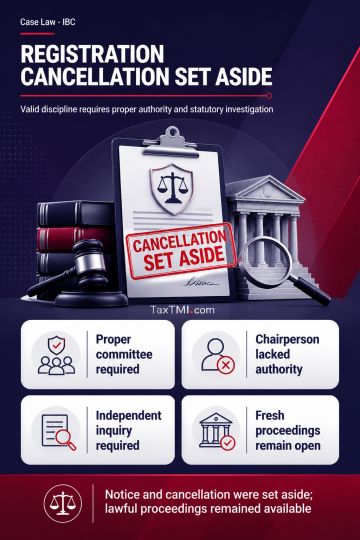
Disciplinary Committee jurisdiction and mandatory investigation requirements invalidated cancellation of an insolvency professional's registration and...
The NCLAT held that the date of default for invoking proceedings u/s 7 of the Insolvency and Bankruptcy Code (I&B Code) should be reckoned from 01.10.2012, when notices u/s 13(2) of SARFAESI Act were issued to the Corporate Debtor. The One-Time Settlement (OTS)/Compromise decree of 03.01.2020 cannot be considered the date of default, as default occurred when notices were issued and accepted by the Corporate Debtor in 2012. Since the application u/s 7 was filed on 19.07.2020, after the limitation period from the date of default in 2012, the NCLAT dismissed the appeal, holding the proceedings barred by limitation.
The NCLAT held that the date of default for invoking proceedings u/s 7 of the Insolvency and Bankruptcy Code (I&B Code) should be reckoned from 01.10.2012, when notices u/s 13(2) of SARFAESI Act were issued to the Corporate Debtor. The One-Time Settlement (OTS)/Compromise decree of 03.01.2020 cannot be considered the date of default, as default occurred when notices were issued and accepted by the Corporate Debtor in 2012. Since the application u/s 7 was filed on 19.07.2020, after the limitation period from the date of default in 2012, the NCLAT dismissed the appeal, holding the proceedings barred by limitation.
Note: It is a system-generated summary and is for quick reference only.
 TaxTMI
 of 4801






 Join Channel


 TaxTMI