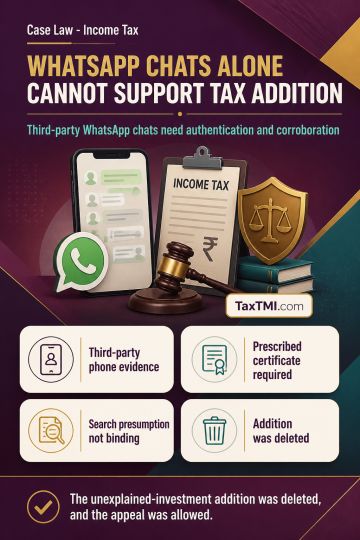
Electronic WhatsApp evidence without authentication or independent corroboration cannot sustain an unexplained-investment addition based on third-part...
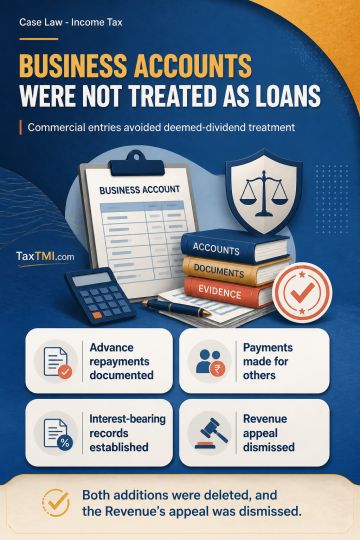
Mutual current-account transactions excluded from deemed dividend treatment where no fresh borrowing arose; unsupported unsecured-loan addition also f...
The NCLAT held that after approval of a resolution plan by the Adjudicating Authority, it becomes binding on the corporate debtor, employees, creditors, guarantors and stakeholders. The plan cannot be modified by introducing new claims, as it would prejudice the successful resolution applicant (SRA) and create uncertainty. The Adjudicating Authority lacks power to modify an approved plan unilaterally and can only suggest modifications to the Committee of Creditors (CoC). As the respondent did not challenge the plan within the prescribed time, it attained finality. The SRA made payments per the approved plan, and no non-compliance was attributed to it. Thus, the Adjudicating Authority exceeded jurisdiction by reviving and directing payment of the respondent's gratuity claims, and the NCLAT set aside those orders.
The NCLAT held that after approval of a resolution plan by the Adjudicating Authority, it becomes binding on the corporate debtor, employees, creditors, guarantors and stakeholders. The plan cannot be modified by introducing new claims, as it would prejudice the successful resolution applicant (SRA) and create uncertainty. The Adjudicating Authority lacks power to modify an approved plan unilaterally and can only suggest modifications to the Committee of Creditors (CoC). As the respondent did not challenge the plan within the prescribed time, it attained finality. The SRA made payments per the approved plan, and no non-compliance was attributed to it. Thus, the Adjudicating Authority exceeded jurisdiction by reviving and directing payment of the respondent's gratuity claims, and the NCLAT set aside those orders.
Note: It is a system-generated summary and is for quick reference only.
 TaxTMI
  TaxTMI
 of 4828












 Join Channel